THE ADVENTURE COLLECTIVE® · Independent discovery and booking for outdoor travel

Make the three-hour ride from San José Airport to Manuel Antonio part of the adventure. This private transfer offers optional stops—Tarcoles crocodile viewing, local restaurants, and roadside viewpoints—plus Wi‑Fi, bottled water and accessibility options.
Make the three-hour ride from San José Airport to Manuel Antonio part of the adventure. This private transfer offers optional stops—Tarcoles crocodile viewing, local restaurants, and roadside viewpoints—plus Wi‑Fi, bottled water and accessibility options.
You step out of Juan Santamaría Airport into warm, humid air; a driver in an air-conditioned van waits with a cooler of water and a polite smile. The highway unfurls toward Costa Rica’s Central Pacific — the city gives way to coffee-covered foothills, then the landscape opens to palms, roadside fruit stands, and the sudden, low roar of a river where crocodiles sun themselves on a mudbank.
Verified experiences and guided adventures in the surrounding area.
Operated by Costa Rica Jade Tours · Quepos, Puntarenas
You step out of Juan Santamaría Airport into warm, humid air; a driver in an air-conditioned van waits with a cooler of water and a polite smile. The highway unfurls toward Costa Rica’s Central Pacific — the city gives way to coffee-covered foothills, then the landscape opens to palms, roadside fruit stands, and the sudden, low roar of a river where crocodiles sun themselves on a mudbank.
The three-hour transfer runs along the Inter-American corridor through Puntarenas province, skirting Carara National Park and the Tarcoles River. Carara’s transition forest supports scarlet macaws and howler monkeys; Tarcoles is world-famous for large American crocodiles visible from the bridge. Quepos began as a fishing town; Manuel Antonio National Park, established in 1972, is tiny but biodiverse, with steep volcanic soils feeding lush coastal rainforest.
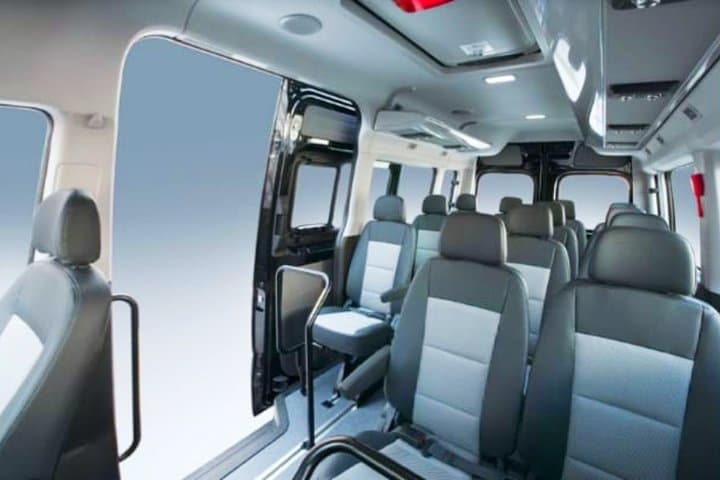
Practically, expect a private, door-to-door ride with optional stops at viewpoints, local restaurants, and souvenir stalls at no extra charge. Vans include Wi‑Fi, air conditioning, bottled water and can accommodate infant seats or wheelchairs. Travel time is about 3 hours but allow extra for traffic leaving San José and for wet-season slowdowns on winding coastal roads.
Plan pickups around your flight arrival time and share flight numbers so drivers can adjust for delays. Bring sunscreen, insect repellent and a light rain shell in green-season months. Keep cameras ready at Tarcoles Bridge, but observe safety — stay on the bridge and follow your driver’s guidance. This transfer turns transit into part of the trip: roadside wildlife, coastal vistas and a practical, low-stress way to reach Manuel Antonio’s rainforest and beaches.
easy.
3 hours.
No particular fitness required; suitable for all travelers
The scheduled driving time is about 3 hours one way, though traffic or stops can add time; drivers monitor flights and adjust pickup accordingly.
Yes — the service allows stops at strategic points such as Tarcoles Bridge for crocodiles, local restaurants, and souvenir shops at no extra charge.
Yes — the vans are wheelchair- and stroller-accessible, and specialized infant seats are available on request; note infants must sit on laps per policy.
Provide your flight number when booking so the driver can track delays; cancellations eligible for full refund require notice at least 24 hours before the scheduled pickup.
Quepos developed as a coastal fishing settlement; Manuel Antonio was set aside as a national park in 1972 and is one of Costa Rica’s smallest yet richest wildlife preserves.
Manuel Antonio and nearby protected areas face pressure from tourism; stick to trails, avoid feeding wildlife and use refillable bottles to reduce plastic waste.
Costa Rica Jade Tours operates guided outdoor trips and adventures with an emphasis on safety, stewardship, and memorable experiences.
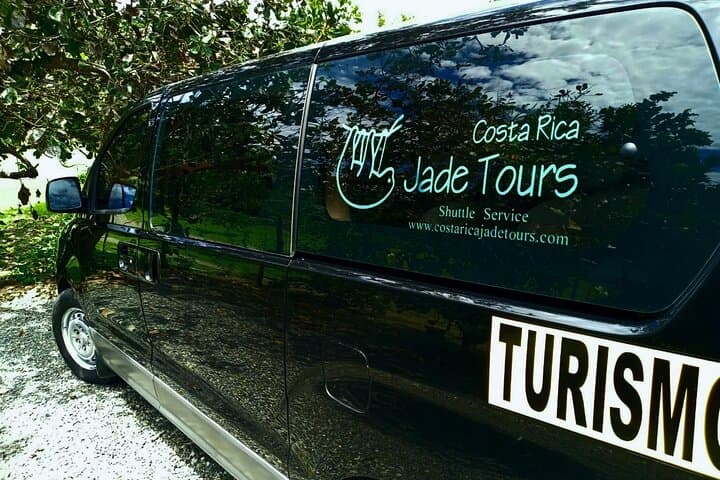


You step out of Juan Santamaría Airport into warm, humid air; a driver in an air-conditioned van waits with a cooler of water and a polite smile. The highway unfurls toward Costa Rica’s Central Pacific — the city gives way to coffee-covered foothills, then the landscape opens to palms, roadside fruit stands, and the sudden, low roar of a river where crocodiles sun themselves on a mudbank.
You step out of Juan Santamaría Airport into warm, humid air; a driver in an air-conditioned van waits with a cooler of water and a polite smile. The highway unfurls toward Costa Rica’s Central Pacific — the city gives way to coffee-covered foothills, then the landscape opens to palms, roadside fruit stands, and the sudden, low roar of a river where crocodiles sun themselves on a mudbank.
The three-hour transfer runs along the Inter-American corridor through Puntarenas province, skirting Carara National Park and the Tarcoles River. Carara’s transition forest supports scarlet macaws and howler monkeys; Tarcoles is world-famous for large American crocodiles visible from the bridge. Quepos began as a fishing town; Manuel Antonio National Park, established in 1972, is tiny but biodiverse, with steep volcanic soils feeding lush coastal rainforest.
Practically, expect a private, door-to-door ride with optional stops at viewpoints, local restaurants, and souvenir stalls at no extra charge. Vans include Wi‑Fi, air conditioning, bottled water and can accommodate infant seats or wheelchairs. Travel time is about 3 hours but allow extra for traffic leaving San José and for wet-season slowdowns on winding coastal roads.
Plan pickups around your flight arrival time and share flight numbers so drivers can adjust for delays. Bring sunscreen, insect repellent and a light rain shell in green-season months. Keep cameras ready at Tarcoles Bridge, but observe safety — stay on the bridge and follow your driver’s guidance. This transfer turns transit into part of the trip: roadside wildlife, coastal vistas and a practical, low-stress way to reach Manuel Antonio’s rainforest and beaches.