THE ADVENTURE COLLECTIVE® · Independent discovery and booking for outdoor travel

Cover Kyoto, Osaka and Nara in a single private car: shrine gates, bamboo groves and market alleys with a flexible itinerary tailored to your priorities. This one-day charter is about short walks between big cultural sites delivered door-to-door.
Cover Kyoto, Osaka and Nara in a single private car: shrine gates, bamboo groves and market alleys with a flexible itinerary tailored to your priorities. This one-day charter is about short walks between big cultural sites delivered door-to-door.
You step into a clean, air-conditioned car in the cool morning air of downtown Kyoto or Osaka, and the city eases away as the driver navigates toward temples, markets and a bamboo forest.
Verified experiences and guided adventures in the surrounding area.
Operated by ZK · Kyoto, Kyoto Prefecture
You step into a clean, air-conditioned car in the cool morning air of downtown Kyoto or Osaka, and the city eases away as the driver navigates toward temples, markets and a bamboo forest.
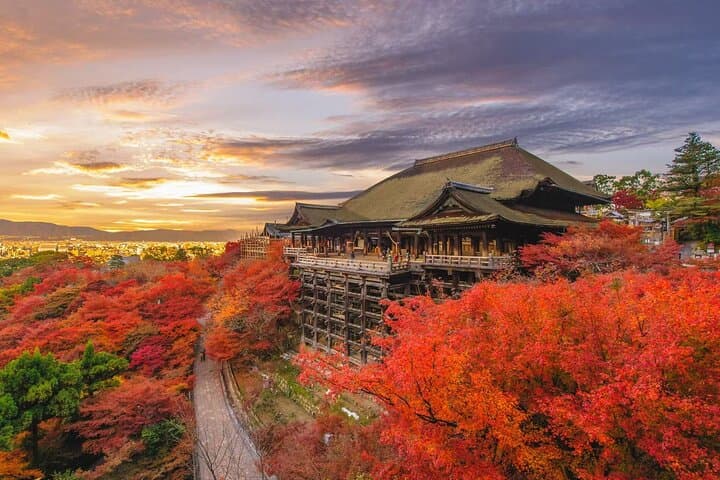
This private charter packs up to three cities into a single day—Kyoto’s timbered hills and torii-lined trails, Osaka’s urban energy and markets, or Nara’s parkland where deer approach without fear. Many routes thread through sites with deep roots: Kiyomizu-dera’s wooden stage presides over Higashiyama, Fushimi Inari’s thousands of vermilion torii climb Mount Inari, and Arashiyama’s Togetsukyo Bridge frames a river that once carried aristocrats by boat.
Geology here is subtle but present—the low volcanic hills and river terraces shaped settlement patterns, and bamboo thrives in the alluvial soils of the Katsura valley. Culturally, these stops represent Japan’s imperial and religious history; visitors should observe shrine etiquette and local customs.
Practically, expect short walking stretches at each stop—stone steps, compacted paths, and crowded market alleys—so comfortable shoes and a light daypack matter. Drive times between Osaka and Kyoto are commonly 30–90 minutes by car, depending on traffic; route choices and parking influence how long you can spend at each site. The service often includes parking and a driver-guide; admissions are usually not included, so bring cash or card for entry fees and street food.
Aim to start early to beat the largest crowds, charge your phone for photos, and use the private schedule to prioritize what matters most—torii, temples, or the chance to feed a tame deer in Nara.
easy.
4–10 hours.
Minimal fitness required; able to manage short walks, steps and standing in crowds for 20–40 minutes at a time.
Yes—bookings allow you to select up to three cities from the available routes; confirm your preferred stops when you reserve.
Admissions are generally not included—bring cash or card for entry fees and optional donations at shrines and temples.
Pick-up and drop-off are typically at downtown Osaka or Kyoto accommodations; specify your address at booking for exact arrangements.
Yes—infant seats are available and many locations are stroller-accessible, though some temple steps may require carrying a stroller short distances.
Kyoto was Japan’s imperial capital for over a millennium; the region’s temples and shrines reflect layers of Heian-period court culture and later Edo-era developments.
High visitor numbers can stress temple grounds and natural areas—follow posted rules, avoid trampling vegetation and carry out any trash you bring in.
ZK operates guided outdoor trips and adventures with an emphasis on safety, stewardship, and memorable experiences.
You step into a clean, air-conditioned car in the cool morning air of downtown Kyoto or Osaka, and the city eases away as the driver navigates toward temples, markets and a bamboo forest.
You step into a clean, air-conditioned car in the cool morning air of downtown Kyoto or Osaka, and the city eases away as the driver navigates toward temples, markets and a bamboo forest.
This private charter packs up to three cities into a single day—Kyoto’s timbered hills and torii-lined trails, Osaka’s urban energy and markets, or Nara’s parkland where deer approach without fear. Many routes thread through sites with deep roots: Kiyomizu-dera’s wooden stage presides over Higashiyama, Fushimi Inari’s thousands of vermilion torii climb Mount Inari, and Arashiyama’s Togetsukyo Bridge frames a river that once carried aristocrats by boat.
Geology here is subtle but present—the low volcanic hills and river terraces shaped settlement patterns, and bamboo thrives in the alluvial soils of the Katsura valley. Culturally, these stops represent Japan’s imperial and religious history; visitors should observe shrine etiquette and local customs.
Practically, expect short walking stretches at each stop—stone steps, compacted paths, and crowded market alleys—so comfortable shoes and a light daypack matter. Drive times between Osaka and Kyoto are commonly 30–90 minutes by car, depending on traffic; route choices and parking influence how long you can spend at each site. The service often includes parking and a driver-guide; admissions are usually not included, so bring cash or card for entry fees and street food.
Aim to start early to beat the largest crowds, charge your phone for photos, and use the private schedule to prioritize what matters most—torii, temples, or the chance to feed a tame deer in Nara.