THE ADVENTURE COLLECTIVE® · Independent discovery and booking for outdoor travel

A compact private day tour of Angkor’s signature temples followed by a Tonle Sap floating-village sunset. Expect a full 8–10 hour cultural day with uneven stone, humidity and a short boat leg at the lake.
A compact private day tour of Angkor’s signature temples followed by a Tonle Sap floating-village sunset. Expect a full 8–10 hour cultural day with uneven stone, humidity and a short boat leg at the lake.
You step across the causeway and the stone bas-reliefs of Angkor Wat rise like a city-scale manuscript — the air warm, the moat reflective, the first spires framing the sky.
Verified experiences and guided adventures in the surrounding area.
Operated by Angkor Special Tours · Siem Reap, Siem Reap Province
You step across the causeway and the stone bas-reliefs of Angkor Wat rise like a city-scale manuscript — the air warm, the moat reflective, the first spires framing the sky.
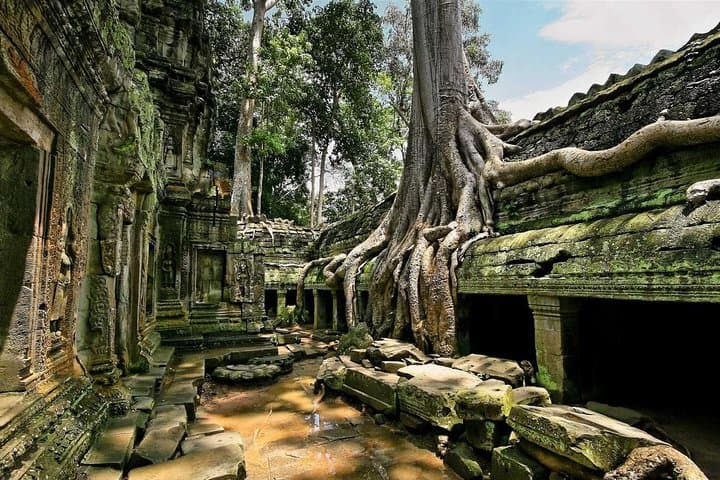
This private one-day circuit moves from Angkor Wat’s sweeping galleries to the carved faces of Bayon, the elephant terraces of Angkor Thom, and the root-woven chambers of Ta Prohm. Built by the Khmer Empire between the 9th and 13th centuries, these monuments combine Hindu and Buddhist iconography carved from laterite and sandstone; the landscape itself is alluvium and seasonal floodplain that fed Angkor’s ancient water management.
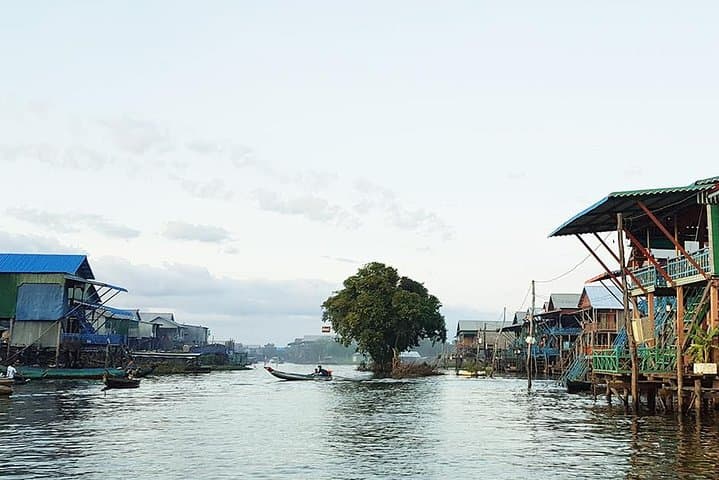
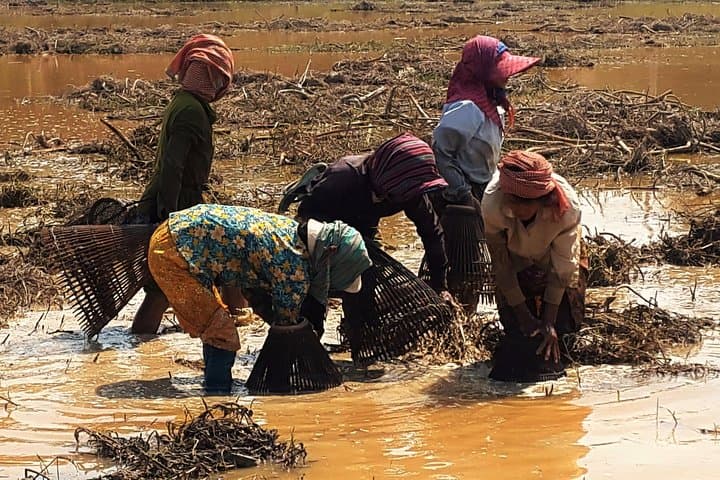
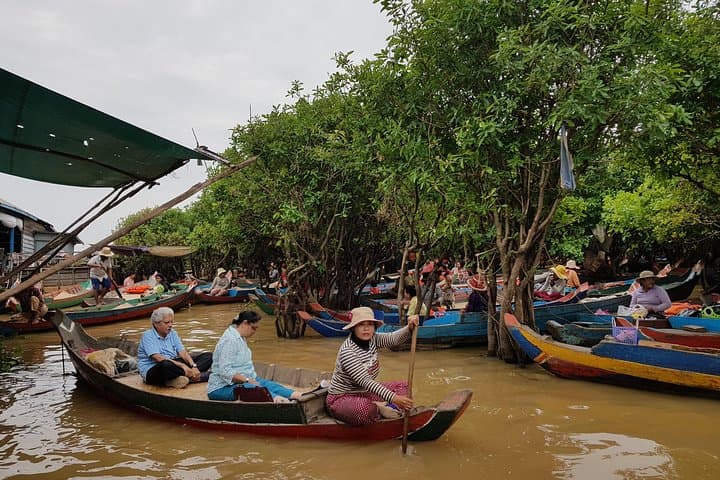
After a temple-side lunch, the tour shifts to Tonle Sap’s Kampong Pluk, where houses perch on stilts and boat lanes replace streets; the flooded forest and back channels show a living culture shaped by seasonal pulse of the lake.
Practical guidance: plan for an 8–10 hour day with mostly flat walking but uneven stone, steps and root-covered masonry at Ta Prohm. Angkor’s 1-day pass is widely sold at the ticket center (typically US$37); boat excursions on Tonle Sap are often an extra ~US$20. Dress respectfully — shoulders and knees covered for temple entry — and take sunscreen, a brimmed hat, and at least 2 liters of water. Start early to avoid mid-day heat and to see Bayon or Angkor Wat in softer light. Your guide will handle logistics and steer you around larger tour groups, but allow flexibility for photography stops or a quiet shrine. Expect humidity, occasional dust, and unforgettable photo opportunities as day bleeds into Tonle Sap’s sunset.
moderate.
8–10 hours.
Requires moderate fitness: several hours of walking on uneven stone and some steps; comfortable pace with frequent stops.
You can buy the 1‑day pass at the official ticket center near Angkor; guides often assist with the purchase before touring.
Transportation is wheelchair accessible, but many temple precincts have uneven surfaces and steps that limit access within certain ruins.
The visit includes a sunset stop at Kampong Pluk; boat cruises are typically an additional cost (about US$20 per person) and paid locally.
Shoulders and knees must be covered for most temples — lightweight long sleeves and long pants or a sarong are recommended.
Angkor’s complex grew under the Khmer Empire (9th–15th centuries); Angkor Wat itself was completed in the early 12th century by King Suryavarman II and later became a Buddhist site.
Visitor pressure stresses stonework and local ecosystems; stick to marked paths, avoid leaning on carvings, and support local boat operators who follow sustainable boating practices.
Angkor Special Tours operates guided outdoor trips and adventures with an emphasis on safety, stewardship, and memorable experiences.
You step across the causeway and the stone bas-reliefs of Angkor Wat rise like a city-scale manuscript — the air warm, the moat reflective, the first spires framing the sky.
You step across the causeway and the stone bas-reliefs of Angkor Wat rise like a city-scale manuscript — the air warm, the moat reflective, the first spires framing the sky.
This private one-day circuit moves from Angkor Wat’s sweeping galleries to the carved faces of Bayon, the elephant terraces of Angkor Thom, and the root-woven chambers of Ta Prohm. Built by the Khmer Empire between the 9th and 13th centuries, these monuments combine Hindu and Buddhist iconography carved from laterite and sandstone; the landscape itself is alluvium and seasonal floodplain that fed Angkor’s ancient water management.
After a temple-side lunch, the tour shifts to Tonle Sap’s Kampong Pluk, where houses perch on stilts and boat lanes replace streets; the flooded forest and back channels show a living culture shaped by seasonal pulse of the lake.
Practical guidance: plan for an 8–10 hour day with mostly flat walking but uneven stone, steps and root-covered masonry at Ta Prohm. Angkor’s 1-day pass is widely sold at the ticket center (typically US$37); boat excursions on Tonle Sap are often an extra ~US$20. Dress respectfully — shoulders and knees covered for temple entry — and take sunscreen, a brimmed hat, and at least 2 liters of water. Start early to avoid mid-day heat and to see Bayon or Angkor Wat in softer light. Your guide will handle logistics and steer you around larger tour groups, but allow flexibility for photography stops or a quiet shrine. Expect humidity, occasional dust, and unforgettable photo opportunities as day bleeds into Tonle Sap’s sunset.