THE ADVENTURE COLLECTIVE® · Independent discovery and booking for outdoor travel

Explore Dubai’s pre-skyscraper heart on a private two-hour walking tour. Visit Al Fahidi, cross Dubai Creek in a wooden abra, and wander the spice, textile and gold souks with a local guide.
Explore Dubai’s pre-skyscraper heart on a private two-hour walking tour. Visit Al Fahidi, cross Dubai Creek in a wooden abra, and wander the spice, textile and gold souks with a local guide.
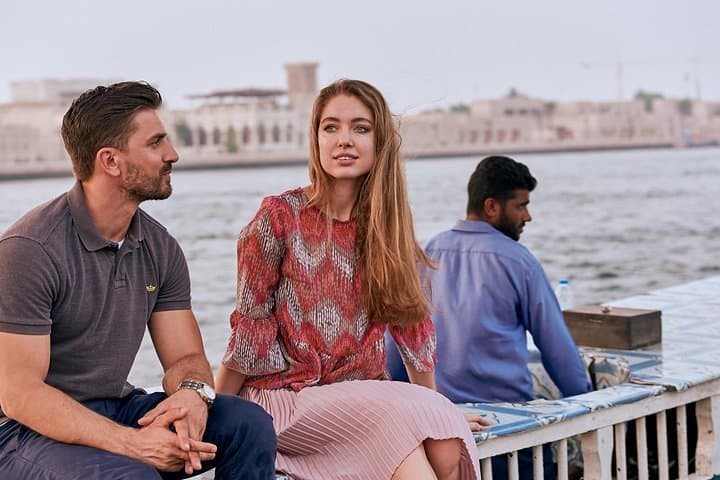
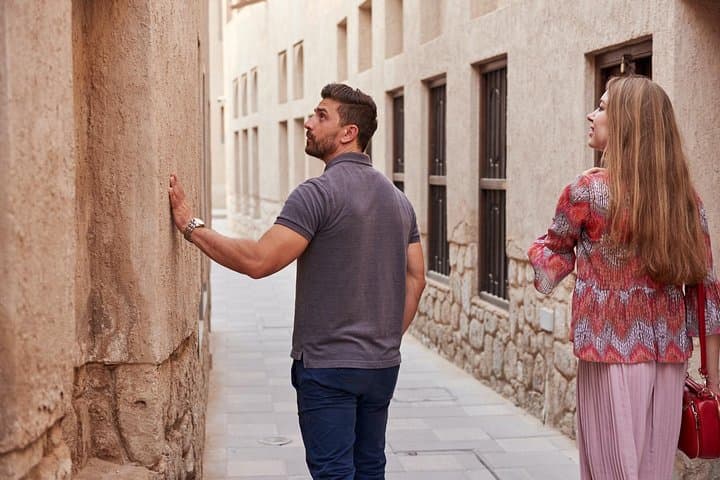
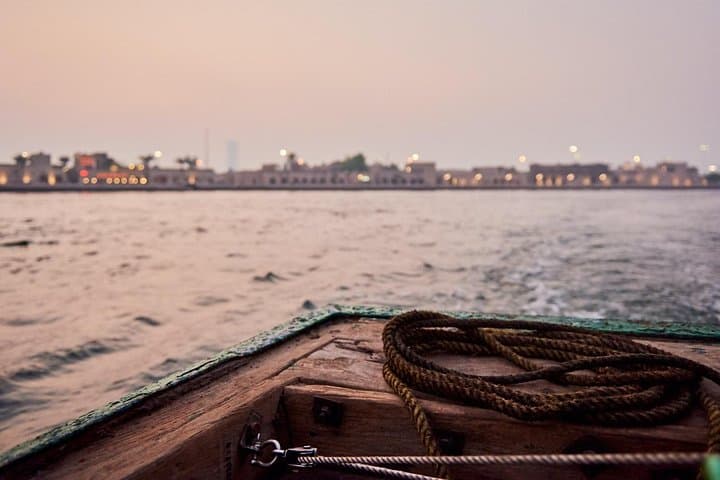
You step off the modern skyline and into a low-slung maze of wind towers, coral-stone houses, and the salt tang of the creek. Narrow lanes open onto courtyard cafés, spice sacks piled like color studies, and the creak of a wooden abra slipping across Dubai Creek — the city’s original highway.
Verified experiences and guided adventures in the surrounding area.
Operated by Dubai By Foot · Dubai, Dubai
You step off the modern skyline and into a low-slung maze of wind towers, coral-stone houses, and the salt tang of the creek. Narrow lanes open onto courtyard cafés, spice sacks piled like color studies, and the creak of a wooden abra slipping across Dubai Creek — the city’s original highway.
This two-hour private walk focuses on Old Dubai: the Al Fahidi Historic Neighbourhood, the creekside souks, and the fort that once guarded a pearling and trading outpost. Geologically the creek carved shallow tidal inlets into sandy flats, creating the sheltered harbor that drew merchants from the Indian Ocean, Persia and the Gulf. Culturally you’ll see how Bedouin, Persian and South Asian trades fused into Emirati life — textiles, spices, and gold remain economic and social anchors.
Expect a paced route: heritage houses-turned-galleries, a tucked-away temple lane, fabric stalls, an abra crossing, then the spice and gold souks where merchants still arrange saffron and bullion with practiced hands. Guides explain the shift from pearling to oil and now to global commerce, and point out architecture adapted for shade and breeze.
Practical notes: the walk is flat and low-impact but exposed to sun — go early or late in the day to avoid peak heat. Bring small change for souk purchases, wear respectful clothing (shoulders/knees covered in some sites), and follow your guide in crowded markets. The private format means time for questions and tailored stops, making this both an efficient cultural primer and an intimate urban ramble.
easy.
2 hours.
Suitable for most fitness levels; mostly flat walking with short market crowds and abra boarding.
Yes — the private wooden abra crossing of Dubai Creek is included as part of the tour.
The itinerary notes that Dubai Museum may be viewed from the outside during renovations; guides provide context on the fort even when interior access is limited.
Yes — the tour is stroller-accessible and suitable for families; the private format helps accommodate pacing for kids.
Tipping is appreciated for personalized service; haggling is common in souks but tipping for guide services is discretionary and appreciated.
Old Dubai began as a pearling and fishing village whose safe creek harbor attracted traders from across the Indian Ocean, evolving into the emirate’s commercial core.
Heritage restoration projects preserve coral-stone and wind-tower buildings; visitors should respect fragile structures and avoid littering in the creek and lanes.
Dubai By Foot operates guided outdoor trips and adventures with an emphasis on safety, stewardship, and memorable experiences.
You step off the modern skyline and into a low-slung maze of wind towers, coral-stone houses, and the salt tang of the creek. Narrow lanes open onto courtyard cafés, spice sacks piled like color studies, and the creak of a wooden abra slipping across Dubai Creek — the city’s original highway.
You step off the modern skyline and into a low-slung maze of wind towers, coral-stone houses, and the salt tang of the creek. Narrow lanes open onto courtyard cafés, spice sacks piled like color studies, and the creak of a wooden abra slipping across Dubai Creek — the city’s original highway.
This two-hour private walk focuses on Old Dubai: the Al Fahidi Historic Neighbourhood, the creekside souks, and the fort that once guarded a pearling and trading outpost. Geologically the creek carved shallow tidal inlets into sandy flats, creating the sheltered harbor that drew merchants from the Indian Ocean, Persia and the Gulf. Culturally you’ll see how Bedouin, Persian and South Asian trades fused into Emirati life — textiles, spices, and gold remain economic and social anchors.
Expect a paced route: heritage houses-turned-galleries, a tucked-away temple lane, fabric stalls, an abra crossing, then the spice and gold souks where merchants still arrange saffron and bullion with practiced hands. Guides explain the shift from pearling to oil and now to global commerce, and point out architecture adapted for shade and breeze.
Practical notes: the walk is flat and low-impact but exposed to sun — go early or late in the day to avoid peak heat. Bring small change for souk purchases, wear respectful clothing (shoulders/knees covered in some sites), and follow your guide in crowded markets. The private format means time for questions and tailored stops, making this both an efficient cultural primer and an intimate urban ramble.