THE ADVENTURE COLLECTIVE® · Independent discovery and booking for outdoor travel

Walk the creek-side alleys where Dubai began: fragrant spice stalls, glittering gold lanes, wind-towered homes and a private abra ride that shows the city from the water. This 4–4.5 hour private tour pairs curated history with a local meal to taste the emirate’s roots.
Walk the creek-side alleys where Dubai began: fragrant spice stalls, glittering gold lanes, wind-towered homes and a private abra ride that shows the city from the water. This 4–4.5 hour private tour pairs curated history with a local meal to taste the emirate’s roots.
You step off a wooden abra into the crackle of an older Dubai: a narrow creek-side world of sun-baked plaster, wind towers throwing cool shadows, and alleys that smell of cardamom and saffron. The day opens at the Al Shindagha Museum, where maps, dhows and pearl-diving implements pull the city’s trading past into sharp focus. From there the guide leads you through the Spice Souk’s aromatic corridors, past mounds of cumin and saffron, then into the glittering lanes of the Gold Souk and the patchwork of the Textile Souk.
Verified experiences and guided adventures in the surrounding area.
Operated by Wander With Nada · Dubai, Dubai
You step off a wooden abra into the crackle of an older Dubai: a narrow creek-side world of sun-baked plaster, wind towers throwing cool shadows, and alleys that smell of cardamom and saffron. The day opens at the Al Shindagha Museum, where maps, dhows and pearl-diving implements pull the city’s trading past into sharp focus. From there the guide leads you through the Spice Souk’s aromatic corridors, past mounds of cumin and saffron, then into the glittering lanes of the Gold Souk and the patchwork of the Textile Souk.
This tour traces Dubai’s transformation from a 19th-century creek port tied to India, Persia and East Africa into a global hub. The Al Fahidi neighborhood gives architecture lessons in passive cooling—wind towers that predate air conditioning—and reveals how merchant houses were arranged around shared courtyards. Cultural touches are woven throughout: tasting Arabic coffee, learning bargaining customs, and a closing shared Emirati meal that showcases slow-cooked meat, rice and date desserts.
Practicalities: the experience runs about 4–4.5 hours with several short walks and a private abra crossing. Expect cobbled lanes, covered souk walkways and occasional crowds; wear comfortable shoes and light fabrics in summer. Bring a refillable water bottle, modest clothing for cultural respect, and a small amount of local currency for snacks or small purchases. The guide times visits to avoid the hottest hours when possible and handles admissions and a pre-ordered meal—leaving you to focus on stories, scents and the steady push of the Creek as it carries Dubai’s past into its present.
moderate.
4–4.5 hours.
Moderate fitness; able to walk several short stretches and stand for guided explanations.
Yes—museum admissions and the private abra ride are included, along with a pre-ordered Emirati meal; the tour provides bottled water at the restaurant.
Families are welcome but infants must sit on an adult’s lap; the tour requires moderate walking so plan breaks for younger children.
Yes—during Ramadan and peak holidays timings and meal service can change; inform the operator of dietary or scheduling needs when booking.
Modest, lightweight clothing is best—cover shoulders and knees in public areas and bring a hat and sunglasses for sun protection.
Dubai grew from creekside pearl-diving and trading communities connected to the Indian Ocean maritime network; the Creek was the city’s commercial artery.
The historic districts face pressures from tourism and development—visitors are encouraged to minimize waste, respect shopkeepers, and stick to marked paths to protect fragile architecture.
Wander With Nada operates guided outdoor trips and adventures with an emphasis on safety, stewardship, and memorable experiences.
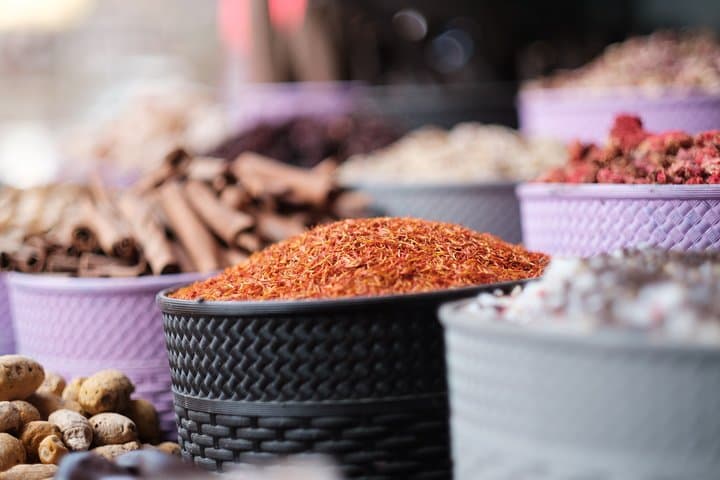
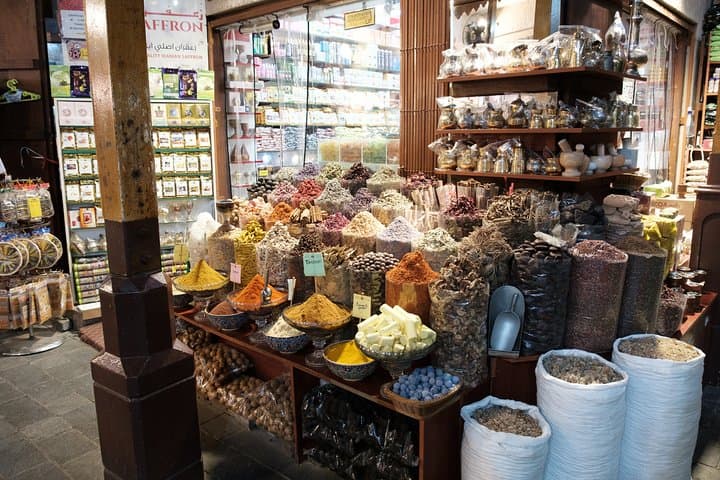
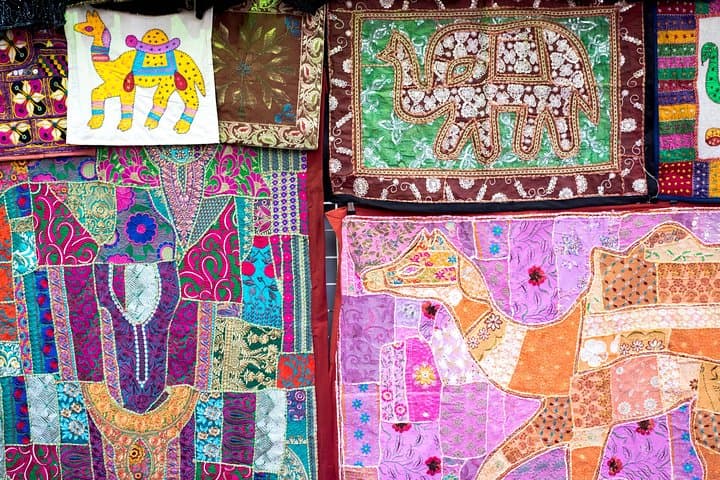
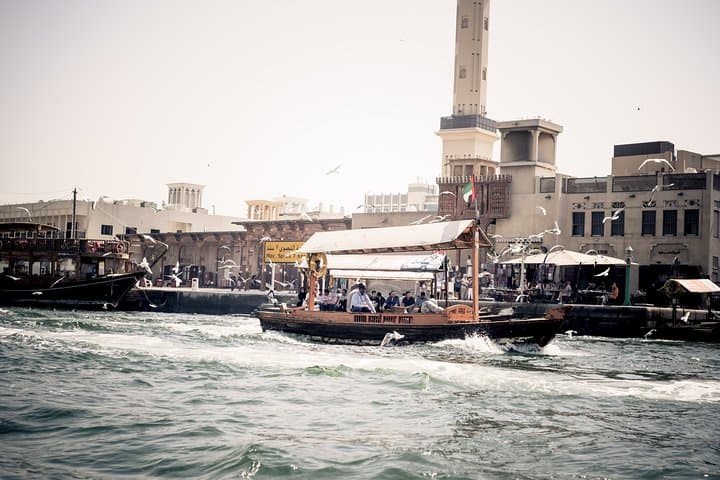
You step off a wooden abra into the crackle of an older Dubai: a narrow creek-side world of sun-baked plaster, wind towers throwing cool shadows, and alleys that smell of cardamom and saffron. The day opens at the Al Shindagha Museum, where maps, dhows and pearl-diving implements pull the city’s trading past into sharp focus. From there the guide leads you through the Spice Souk’s aromatic corridors, past mounds of cumin and saffron, then into the glittering lanes of the Gold Souk and the patchwork of the Textile Souk.
You step off a wooden abra into the crackle of an older Dubai: a narrow creek-side world of sun-baked plaster, wind towers throwing cool shadows, and alleys that smell of cardamom and saffron. The day opens at the Al Shindagha Museum, where maps, dhows and pearl-diving implements pull the city’s trading past into sharp focus. From there the guide leads you through the Spice Souk’s aromatic corridors, past mounds of cumin and saffron, then into the glittering lanes of the Gold Souk and the patchwork of the Textile Souk.
This tour traces Dubai’s transformation from a 19th-century creek port tied to India, Persia and East Africa into a global hub. The Al Fahidi neighborhood gives architecture lessons in passive cooling—wind towers that predate air conditioning—and reveals how merchant houses were arranged around shared courtyards. Cultural touches are woven throughout: tasting Arabic coffee, learning bargaining customs, and a closing shared Emirati meal that showcases slow-cooked meat, rice and date desserts.
Practicalities: the experience runs about 4–4.5 hours with several short walks and a private abra crossing. Expect cobbled lanes, covered souk walkways and occasional crowds; wear comfortable shoes and light fabrics in summer. Bring a refillable water bottle, modest clothing for cultural respect, and a small amount of local currency for snacks or small purchases. The guide times visits to avoid the hottest hours when possible and handles admissions and a pre-ordered meal—leaving you to focus on stories, scents and the steady push of the Creek as it carries Dubai’s past into its present.