THE ADVENTURE COLLECTIVE® · Independent discovery and booking for outdoor travel

Experience the low-slung lanes and salty breath of Dubai Creek on a private tour that pairs an abra crossing with guided souk visits and a mosque entry. Ideal for travelers who want a compact cultural immersion with private transport and local insight.
Experience the low-slung lanes and salty breath of Dubai Creek on a private tour that pairs an abra crossing with guided souk visits and a mosque entry. Ideal for travelers who want a compact cultural immersion with private transport and local insight.
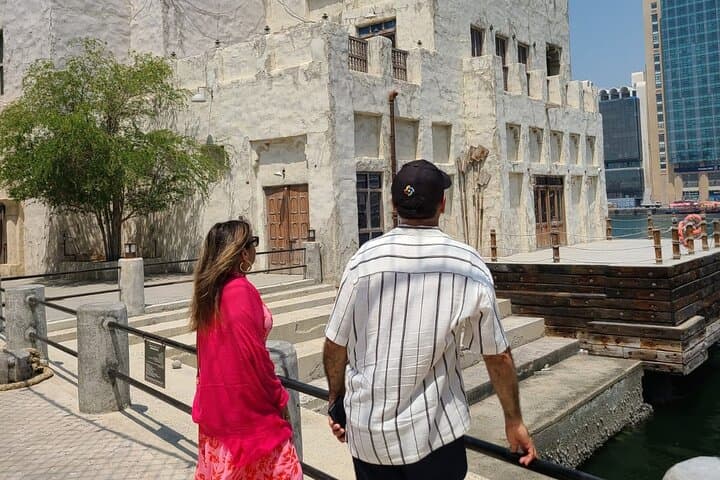
You step from the car into a lane where windtowers throw long shadows and the air smells of cardamom and roasting coffee. The city’s vertical skyline is a few minutes away, but here the pace changes—wooden doors, narrow sikkas, and the creek’s low tide track the rhythm of trade that built modern Dubai.
Verified experiences and guided adventures in the surrounding area.
Operated by Ahmed Habibi · Dubai, Dubai
You step from the car into a lane where windtowers throw long shadows and the air smells of cardamom and roasting coffee. The city’s vertical skyline is a few minutes away, but here the pace changes—wooden doors, narrow sikkas, and the creek’s low tide track the rhythm of trade that built modern Dubai.
Historically Dubai Creek was the city’s artery, a tidal inlet that framed pearling, dhow cargoes and merchant houses. Geologically the area sits on a coastal sabkha and alluvial deposits where human engineering later reshaped the shorelines; today you’ll glide across that same water on a timber abra, the simple ferry that still ferries locals between Bur Dubai and Deira.
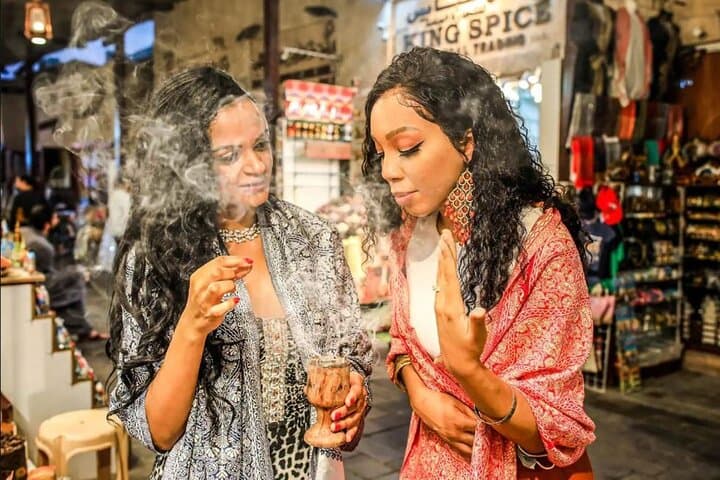
Culturally the tour centers on sensory trade routes: the gold souk’s glitter, the spice souk’s layered aromas, and the textile rows where bargaining is part of the ritual. The itinerary includes a guided entry to a local mosque sometimes referred to on tour listings as the “Blue Mosque,” and offers a chance to try on traditional dress and sample Arabic coffee and dates.
Practical guidance: schedule morning or late-afternoon departures outside summer midday heat, wear light but modest clothing for mosque visits, and bring a reusable water bottle and comfortable shoes for uneven alleyways. Have small bills for souk purchases and a handkerchief for spice-dusted hands. The private vehicle pickup and drop-off make logistics easy, but allow time for short walks on cobbled surfaces and the occasional market crowd. This is an accessible, low-strain urban exploration that rewards curiosity and sensible preparation.
easy.
3–4 hours.
Suitable for most fitness levels; expect short walks on uneven ground and brief standing at markets and cultural sites.
Yes; many mosques welcome non-Muslim visitors with modest dress and respectful behavior—follow your guide’s instructions and ask before photographing.
Abr a rides are brief and stable but may require stepping over a low gunwale; staff can assist—note the tour lists wheelchair-accessible options, but check specifics if needed.
Smaller stalls usually prefer cash; larger retailers may accept cards but bring dirhams for bargaining and small purchases.
Yes, polite bargaining is common; start around 50–70% of the asking price and let the seller propose a counteroffer.
Dubai Creek was a commercial waterfront that supported pearling and dhow trade; the growth around the creek catalyzed the city’s expansion in the 19th and 20th centuries.
Visitor pressure in historic districts requires respectful behavior—avoid littering and support local vendors; low-impact travel helps preserve narrow alleys and heritage structures.
Ahmed Habibi operates guided outdoor trips and adventures with an emphasis on safety, stewardship, and memorable experiences.

You step from the car into a lane where windtowers throw long shadows and the air smells of cardamom and roasting coffee. The city’s vertical skyline is a few minutes away, but here the pace changes—wooden doors, narrow sikkas, and the creek’s low tide track the rhythm of trade that built modern Dubai.
You step from the car into a lane where windtowers throw long shadows and the air smells of cardamom and roasting coffee. The city’s vertical skyline is a few minutes away, but here the pace changes—wooden doors, narrow sikkas, and the creek’s low tide track the rhythm of trade that built modern Dubai.
Historically Dubai Creek was the city’s artery, a tidal inlet that framed pearling, dhow cargoes and merchant houses. Geologically the area sits on a coastal sabkha and alluvial deposits where human engineering later reshaped the shorelines; today you’ll glide across that same water on a timber abra, the simple ferry that still ferries locals between Bur Dubai and Deira.
Culturally the tour centers on sensory trade routes: the gold souk’s glitter, the spice souk’s layered aromas, and the textile rows where bargaining is part of the ritual. The itinerary includes a guided entry to a local mosque sometimes referred to on tour listings as the “Blue Mosque,” and offers a chance to try on traditional dress and sample Arabic coffee and dates.
Practical guidance: schedule morning or late-afternoon departures outside summer midday heat, wear light but modest clothing for mosque visits, and bring a reusable water bottle and comfortable shoes for uneven alleyways. Have small bills for souk purchases and a handkerchief for spice-dusted hands. The private vehicle pickup and drop-off make logistics easy, but allow time for short walks on cobbled surfaces and the occasional market crowd. This is an accessible, low-strain urban exploration that rewards curiosity and sensible preparation.