THE ADVENTURE COLLECTIVE® · Independent discovery and booking for outdoor travel

Walk Al Fahidi’s narrow lanes, cross Dubai Creek on an abra, and taste dates and spices in Deira’s markets on a private, guided 3–4 hour tour. Includes Blue Mosque entry with traditional attire and private transport.
Walk Al Fahidi’s narrow lanes, cross Dubai Creek on an abra, and taste dates and spices in Deira’s markets on a private, guided 3–4 hour tour. Includes Blue Mosque entry with traditional attire and private transport.
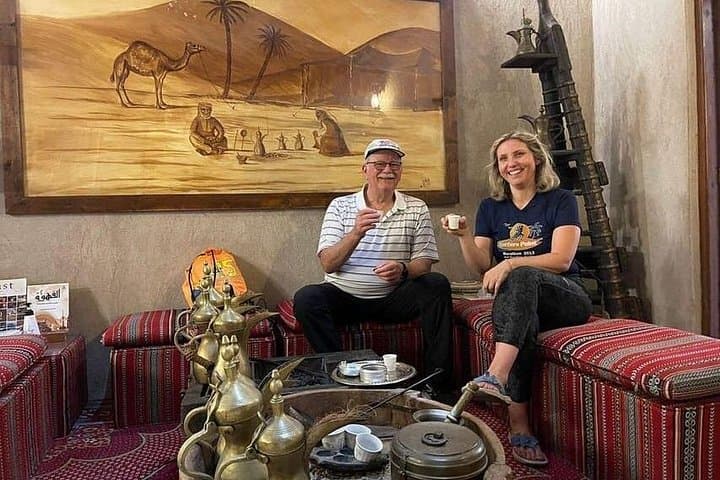
The sound of boat horns on Dubai Creek and the scent of cardamom and smoked dates pull you toward the old town before the city’s glass skyline claims your attention. You step from an air-conditioned vehicle onto narrow lanes of Al Fahidi, where burned-wood wind towers and ochre stone houses sit in tight alleys, and your guide folds centuries of trade and migration into a few conversational steps.
Verified experiences and guided adventures in the surrounding area.
Operated by Trip Habibi Tourism LLC · Dubai, Dubai
The sound of boat horns on Dubai Creek and the scent of cardamom and smoked dates pull you toward the old town before the city’s glass skyline claims your attention. You step from an air-conditioned vehicle onto narrow lanes of Al Fahidi, where burned-wood wind towers and ochre stone houses sit in tight alleys, and your guide folds centuries of trade and migration into a few conversational steps.
This walk threads history and commerce: the creek that made Dubai a trading entrepôt, pearling-era fortunes, and the labor of dhow builders who ran goods between the Arabian Gulf and the subcontinent. Geology is quiet here — reclaimed creek banks and soft alluvial flats gave way to the manmade jetties and souks you now cross by abra water taxi. Culturally, the markets are living archives: spice merchants still mix blends by eye and gold dealers display craftsmanship shaped by regional demand and global supply chains.
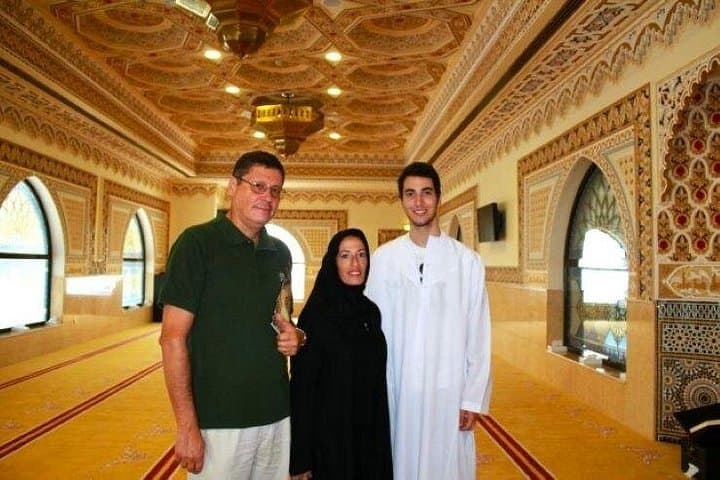
Practicalities matter. The private format means a customizable pace, a step inside the Blue Mosque with local attire provided, and straightforward pickup and drop-off. Expect 3–4 hours on foot with short boat rides; wear closed, comfortable shoes and come prepared for sun and crowds. Carry small cash for souk purchases and let your guide handle haggling if you prefer.
Timing is tactical: mornings or late afternoons keep temperatures manageable and light flattering for photos. Keep a refillable water bottle, modest clothing for religious sites, and a curiosity for flavors — from fresh dates and karak tea to toasted cumin and saffron — and you’ll leave with both souvenirs and stories.
easy.
3–4 hours.
Suitable for most fitness levels; requires walking on paved and uneven surfaces for several short stretches.
Yes — the tour notes indicate wheelchair-accessible surfaces and transportation; contact the operator in advance to confirm accessible pickup and any route adjustments.
Yes — the itinerary includes time in the gold, spice, and textile souks; as a private tour you can often request longer shopping stops.
Basic tastings like dates and local beverages are typically included, but full meals or restaurant orders are usually at your own expense unless specified.
No — the tour states traditional attire is provided for the mosque visit, but bringing a lightweight scarf can speed transitions.
Dubai Creek anchored the city’s pre-oil economy as a pearling and trading hub; Al Fahidi preserves late 19th–early 20th-century merchant architecture and wind-tower houses.
Visitor pressure is managed through heritage-area restorations and guided access; support local artisans and avoid single-use plastics to reduce environmental impact.
Trip Habibi Tourism LLC operates guided outdoor trips and adventures with an emphasis on safety, stewardship, and memorable experiences.

The sound of boat horns on Dubai Creek and the scent of cardamom and smoked dates pull you toward the old town before the city’s glass skyline claims your attention. You step from an air-conditioned vehicle onto narrow lanes of Al Fahidi, where burned-wood wind towers and ochre stone houses sit in tight alleys, and your guide folds centuries of trade and migration into a few conversational steps.
The sound of boat horns on Dubai Creek and the scent of cardamom and smoked dates pull you toward the old town before the city’s glass skyline claims your attention. You step from an air-conditioned vehicle onto narrow lanes of Al Fahidi, where burned-wood wind towers and ochre stone houses sit in tight alleys, and your guide folds centuries of trade and migration into a few conversational steps.
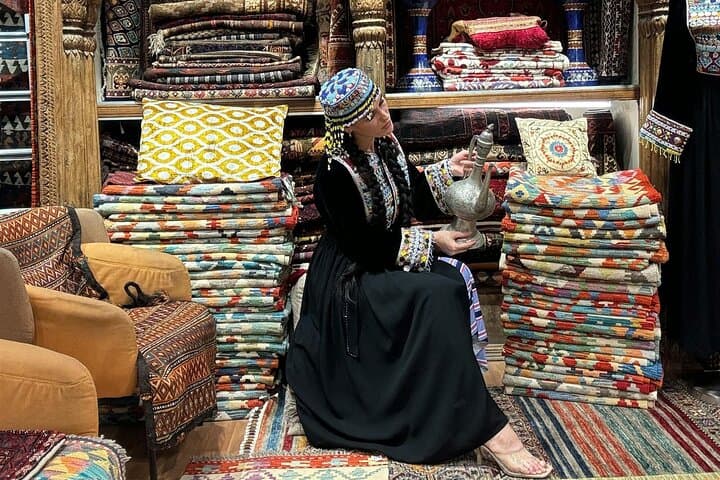
This walk threads history and commerce: the creek that made Dubai a trading entrepôt, pearling-era fortunes, and the labor of dhow builders who ran goods between the Arabian Gulf and the subcontinent. Geology is quiet here — reclaimed creek banks and soft alluvial flats gave way to the manmade jetties and souks you now cross by abra water taxi. Culturally, the markets are living archives: spice merchants still mix blends by eye and gold dealers display craftsmanship shaped by regional demand and global supply chains.
Practicalities matter. The private format means a customizable pace, a step inside the Blue Mosque with local attire provided, and straightforward pickup and drop-off. Expect 3–4 hours on foot with short boat rides; wear closed, comfortable shoes and come prepared for sun and crowds. Carry small cash for souk purchases and let your guide handle haggling if you prefer.
Timing is tactical: mornings or late afternoons keep temperatures manageable and light flattering for photos. Keep a refillable water bottle, modest clothing for religious sites, and a curiosity for flavors — from fresh dates and karak tea to toasted cumin and saffron — and you’ll leave with both souvenirs and stories.