THE ADVENTURE COLLECTIVE® · Independent discovery and booking for outdoor travel

Walk through Coptic and Islamic Cairo with private transfers and optional guiding. Visit the Hanging Church, Ben Ezra Synagogue and the Salah El-Din Citadel with time to browse bazaars and soak up the city’s layered history.
Walk through Coptic and Islamic Cairo with private transfers and optional guiding. Visit the Hanging Church, Ben Ezra Synagogue and the Salah El-Din Citadel with time to browse bazaars and soak up the city’s layered history.
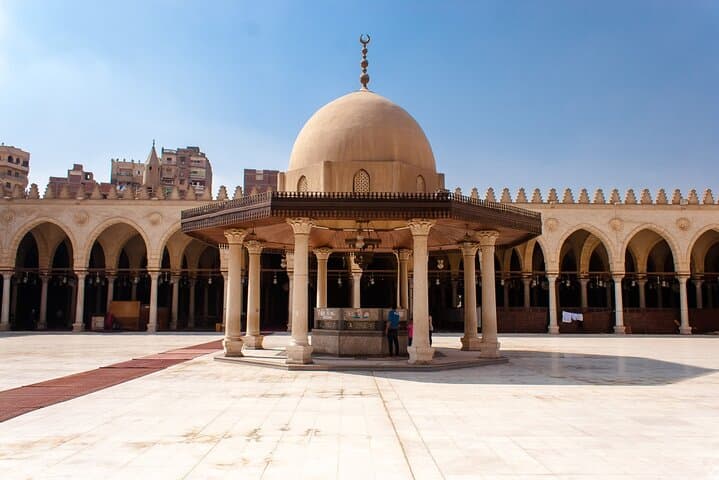
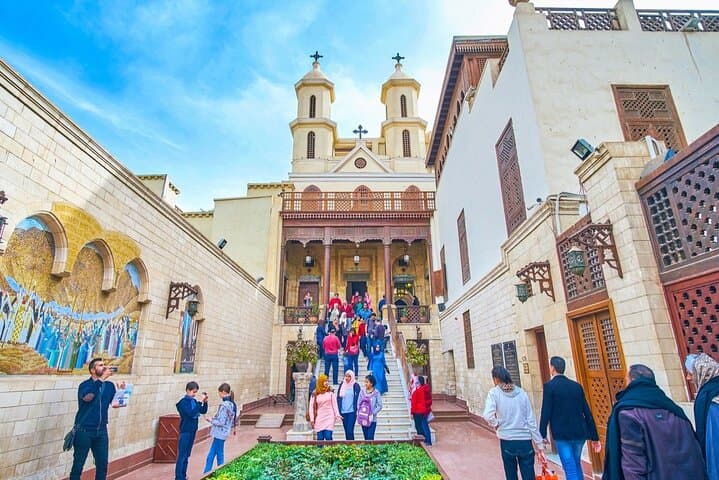
You step out of an air-conditioned car onto a sun-warmed lane where limestone walls keep the city’s din at bay and minarets puncture the skyline. The smell of brewed coffee and spice from nearby stalls drifts over the cobbles as your driver waits while you cross into Coptic Cairo — a compact district where churches, a synagogue, and fortress ruins sit in immediate, living proximity.
Verified experiences and guided adventures in the surrounding area.
Operated by D.Done travel Egypt · Cairo, Cairo Governorate
You step out of an air-conditioned car onto a sun-warmed lane where limestone walls keep the city’s din at bay and minarets puncture the skyline. The smell of brewed coffee and spice from nearby stalls drifts over the cobbles as your driver waits while you cross into Coptic Cairo — a compact district where churches, a synagogue, and fortress ruins sit in immediate, living proximity.
This route threads through layers of history: the Babylon Fortress that predates modern Cairo, churches built over early-Christian foundations, and Ottoman-era statements like the Alabaster Mosque in the Citadel. Geologically, you’re on the Nile’s historic floodplain — compacted silts and alluvium that shaped settlement patterns and the city’s grid. Culturally the area reflects centuries of coexistence: Coptic, Muslim and historic Jewish communities left distinctive architectural and artistic marks.
Expect light walking between sites, periodic security checks at major monuments, and tight alleys that open suddenly onto shaded courtyards. Photography is generally welcome, though some interiors restrict flash and require modest dress. Practical timing: mornings are cooler and less crowded; the Citadel offers sweeping city views late afternoon when light softens. Bring water, a scarf for temple or church entrances, and wear sturdy shoes for uneven stone steps.
A private driver simplifies logistics and lets you linger where you want. Admissions to monuments are usually paid on site, and a local guide — if added — will unpack layered histories and point out small details that tell larger stories. The day balances contemplative interiors and brisk, sensory street life: an efficient, immersive way to read Cairo’s long past in a single, five-hour loop.
easy.
5 hours.
Light walking on uneven stone and stairs; suitable for most travelers who can manage short walks and a few steps.
No, admissions are generally not included; you’ll pay on-site unless a package explicitly lists tickets.
Yes — private transfer and hotel pickup/return are included as part of the tour’s transport services.
The tour involves uneven cobbles and steps; accessibility is limited at many historic sites — contact the operator to plan specifics.
A driver and transfers are included; a knowledgeable guide is often available as an add-on to enhance historical context.
Coptic Cairo grew around the Roman-era Babylon Fortress and preserves churches and a synagogue that reflect centuries of religious life predating modern Cairo.
Sites face wear from foot traffic and pollution; stick to marked paths, avoid touching ancient woodwork, and support local preservation by using licensed guides.
D.Done travel Egypt operates guided outdoor trips and adventures with an emphasis on safety, stewardship, and memorable experiences.

You step out of an air-conditioned car onto a sun-warmed lane where limestone walls keep the city’s din at bay and minarets puncture the skyline. The smell of brewed coffee and spice from nearby stalls drifts over the cobbles as your driver waits while you cross into Coptic Cairo — a compact district where churches, a synagogue, and fortress ruins sit in immediate, living proximity.
You step out of an air-conditioned car onto a sun-warmed lane where limestone walls keep the city’s din at bay and minarets puncture the skyline. The smell of brewed coffee and spice from nearby stalls drifts over the cobbles as your driver waits while you cross into Coptic Cairo — a compact district where churches, a synagogue, and fortress ruins sit in immediate, living proximity.
This route threads through layers of history: the Babylon Fortress that predates modern Cairo, churches built over early-Christian foundations, and Ottoman-era statements like the Alabaster Mosque in the Citadel. Geologically, you’re on the Nile’s historic floodplain — compacted silts and alluvium that shaped settlement patterns and the city’s grid. Culturally the area reflects centuries of coexistence: Coptic, Muslim and historic Jewish communities left distinctive architectural and artistic marks.
Expect light walking between sites, periodic security checks at major monuments, and tight alleys that open suddenly onto shaded courtyards. Photography is generally welcome, though some interiors restrict flash and require modest dress. Practical timing: mornings are cooler and less crowded; the Citadel offers sweeping city views late afternoon when light softens. Bring water, a scarf for temple or church entrances, and wear sturdy shoes for uneven stone steps.
A private driver simplifies logistics and lets you linger where you want. Admissions to monuments are usually paid on site, and a local guide — if added — will unpack layered histories and point out small details that tell larger stories. The day balances contemplative interiors and brisk, sensory street life: an efficient, immersive way to read Cairo’s long past in a single, five-hour loop.