THE ADVENTURE COLLECTIVE® · Independent discovery and booking for outdoor travel

Spend three days living with the Guna in a private oceanfront cabin on Isla Diablo—snorkel reefs, visit a shipwreck, and experience basic island life with guided boat tours and traditional meals.
Spend three days living with the Guna in a private oceanfront cabin on Isla Diablo—snorkel reefs, visit a shipwreck, and experience basic island life with guided boat tours and traditional meals.
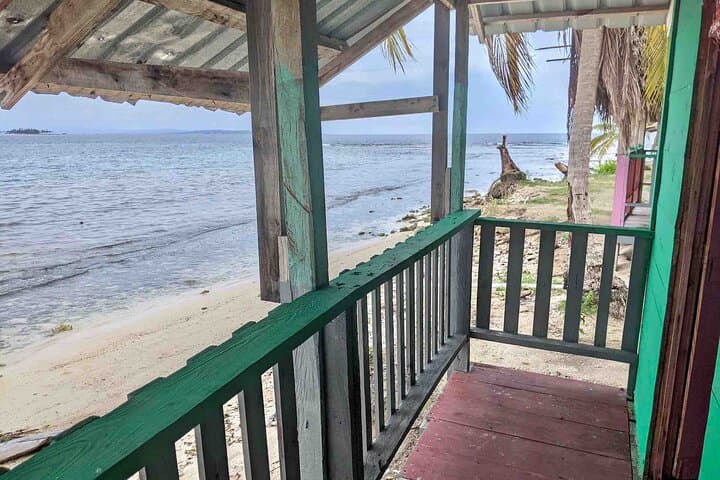
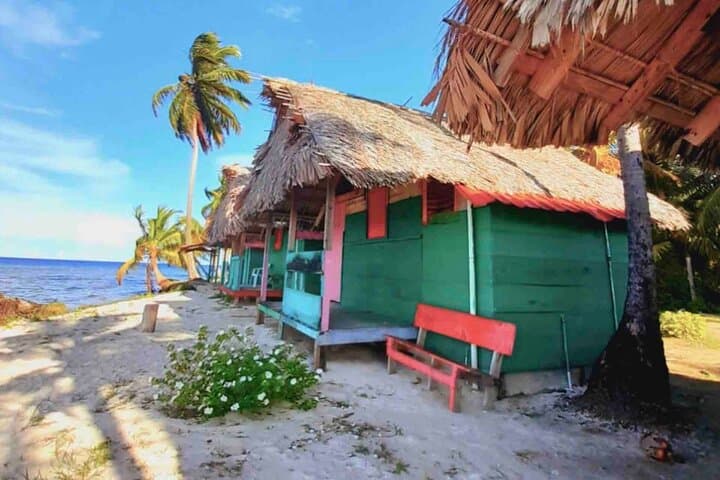
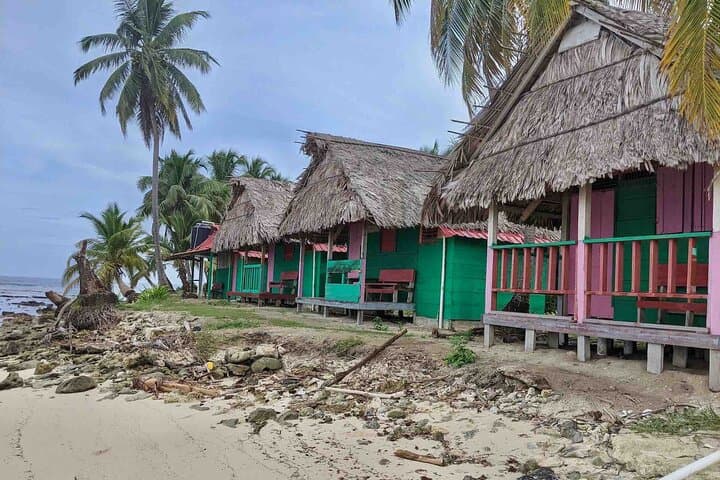
You step off the skiff onto sand that throws back the sun, palms tapping the breeze like an old metronome, and the ocean smells of salt and warm coral. The private oceanfront cabin on Isla Diablo sits a few paces from clear waist‑deep water where reef flats shimmer in turquoise.
Verified experiences and guided adventures in the surrounding area.
Operated by Tao Travel 365 · Cartí, Guna Yala
You step off the skiff onto sand that throws back the sun, palms tapping the breeze like an old metronome, and the ocean smells of salt and warm coral. The private oceanfront cabin on Isla Diablo sits a few paces from clear waist‑deep water where reef flats shimmer in turquoise.
This is Guna Yala—an autonomous indigenous territory where the Guna people maintain traditional governance, crafts and a simple pace of life. Geologically the San Blas archipelago is a fringe of low coral islands and sandbanks formed on an offshore platform; the reefs and a few hulks of shipwrecks tell stories of currents, trade routes and sudden storms. Visitors meet a culture that relies on boat transport, small-scale fishing and hand-built huts powered by limited generators.
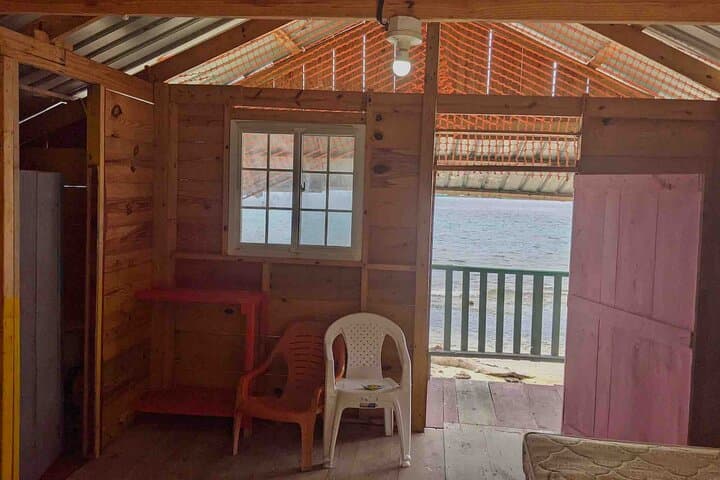
Practicalities shape the rhythm: expect a 2.5–3 hour 4x4 drive from Panama City, a 20–40 minute boat ride (sometimes bumpy), and rustic cabins with limited electricity and no A/C. Meals are local and straightforward—fresh fish, rice, plantain—prepared by the Guna. Snorkeling gear is available for reef swims and the famous shipwreck near Isla Perro; check currents with locals before swimming.
Pack reef‑safe sunscreen, mosquito repellent, cash, a power bank and motion‑sickness meds if you’re sensitive. Respect community norms, carry your passport (required for Kuna territory), and leave no trace: water is scarce and beaches are actively cleaned by locals. With modest expectations, the payoff is elemental—quiet nights, star-bright skies, and an intimate view of island life.
moderate.
3 days.
Basic mobility and stamina for short swims, getting on/off boats and walking on uneven sand; not strenuous.
Yes—original passport is required to enter Kuna territory and to check in at the port.
Electricity is limited (often available during evening hours) and Wi‑Fi is generally not available; charging is usually possible in the main house.
Meals described are included: simple, freshly prepared local dishes like fried fish, rice and plantains; special items (like lobster) may be extra.
Yes—many guests swim to Isla Perro, but currents can be strong; always check conditions with the local crew and swim at your own risk.
The Guna people have occupied the San Blas islands for centuries and today manage the comarca of Guna Yala with strong communal governance and textile traditions (molas).
Plastic and marine debris wash up periodically; visitors should pack out trash, use reef‑safe products and support local efforts that prioritize sustainable resource use.
Tao Travel 365 operates guided outdoor trips and adventures with an emphasis on safety, stewardship, and memorable experiences.
You step off the skiff onto sand that throws back the sun, palms tapping the breeze like an old metronome, and the ocean smells of salt and warm coral. The private oceanfront cabin on Isla Diablo sits a few paces from clear waist‑deep water where reef flats shimmer in turquoise.
You step off the skiff onto sand that throws back the sun, palms tapping the breeze like an old metronome, and the ocean smells of salt and warm coral. The private oceanfront cabin on Isla Diablo sits a few paces from clear waist‑deep water where reef flats shimmer in turquoise.
This is Guna Yala—an autonomous indigenous territory where the Guna people maintain traditional governance, crafts and a simple pace of life. Geologically the San Blas archipelago is a fringe of low coral islands and sandbanks formed on an offshore platform; the reefs and a few hulks of shipwrecks tell stories of currents, trade routes and sudden storms. Visitors meet a culture that relies on boat transport, small-scale fishing and hand-built huts powered by limited generators.
Practicalities shape the rhythm: expect a 2.5–3 hour 4x4 drive from Panama City, a 20–40 minute boat ride (sometimes bumpy), and rustic cabins with limited electricity and no A/C. Meals are local and straightforward—fresh fish, rice, plantain—prepared by the Guna. Snorkeling gear is available for reef swims and the famous shipwreck near Isla Perro; check currents with locals before swimming.
Pack reef‑safe sunscreen, mosquito repellent, cash, a power bank and motion‑sickness meds if you’re sensitive. Respect community norms, carry your passport (required for Kuna territory), and leave no trace: water is scarce and beaches are actively cleaned by locals. With modest expectations, the payoff is elemental—quiet nights, star-bright skies, and an intimate view of island life.