THE ADVENTURE COLLECTIVE® · Independent discovery and booking for outdoor travel

Board a center-console out of Waikiki for a private, six-passenger whale watch that pairs close-range viewing with cultural and conservation commentary. Expect splashes, pro photography options, and seasonal humpback sightings from December to May.
Board a center-console out of Waikiki for a private, six-passenger whale watch that pairs close-range viewing with cultural and conservation commentary. Expect splashes, pro photography options, and seasonal humpback sightings from December to May.
The hull nudges the swell as Waikiki slides behind you, high-rises shrinking to a strip of concrete and palm shadows. A spout arcs from a dark back a few hundred yards away; the captain eases the throttle and the crew points out body language—blows, tail lifts, and the curious slow roll of a mother and calf.
Verified experiences and guided adventures in the surrounding area.
Operated by Hawaii Apex Charters · Honolulu, Hawaii
The hull nudges the swell as Waikiki slides behind you, high-rises shrinking to a strip of concrete and palm shadows. A spout arcs from a dark back a few hundred yards away; the captain eases the throttle and the crew points out body language—blows, tail lifts, and the curious slow roll of a mother and calf.
Humpback whales come to Hawaii each winter to breed and calve, a migration of thousands of miles that has shaped local calendars and coastal lore. The islands themselves are volcanic peaks rising out of the Pacific, and the deep channels off Oahu create corridors where whales congregate. On this private, six-passenger center-console trip out of the Honolulu docks, expect an educational rhythm: approach protocols rooted in maritime law and Hawaiian respect, narration on whale behavior, and an emphasis on minimal disturbance.
Culturally, crews on Oahu blend science with moʻolelo—stories that place whales in Hawaiian cosmology—while professional photographers document breaches and spyhops for guests. Practically, tours run about two hours and go a few miles offshore; the small boat means wet spray and close-but-respectful viewing rather than a distant, glassy panorama.
Plan for changeable conditions: bring layered sun protection, motion-sickness remedies, and a waterproof case for cameras. Sightings are most likely December through May but never guaranteed; operators will cancel for unsafe seas. For photographers and naturalists alike, a private boat offers flexibility, close observation, and a direct line to local knowledge—an efficient, immersive way to meet humpbacks on their terms.
easy.
2 hours.
Suitable for most fitness levels; must be able to board a small boat and stand for portions of the trip
Humpback season on Oahu runs mainly December through May, with peak activity typically January–March, though sightings are never guaranteed.
This tour is private for up to six passengers, offering closer observation and personalized interpretation compared with larger vessels.
Operators will cancel for unsafe conditions and offer a full refund if canceled at least 24 hours before departure; decisions can be made closer to the tour if seas worsen.
Professional photo/video packages are offered; confirm availability before booking and expect additional charges for edited media.
Hawaiian communities have long observed humpbacks; the annual migration influenced fishing calendars and is woven into local stories and chants.
Boaters must follow federal and state approach distances and report any injured whales; many operators support local NGOs and follow best-practice, low-impact viewing protocols.
Hawaii Apex Charters operates guided outdoor trips and adventures with an emphasis on safety, stewardship, and memorable experiences.
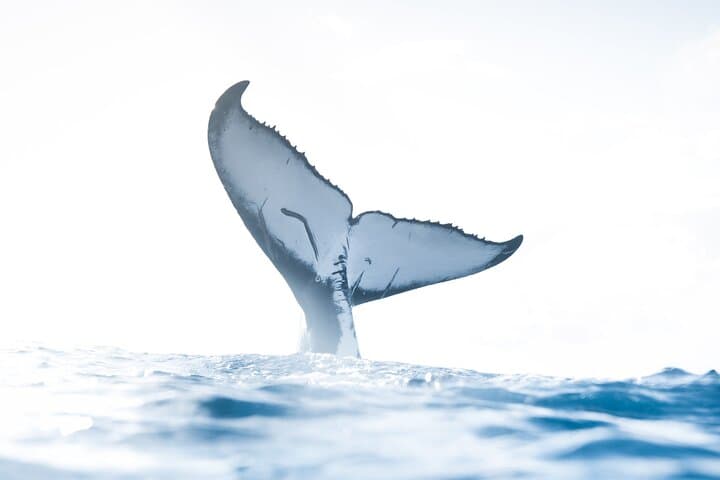
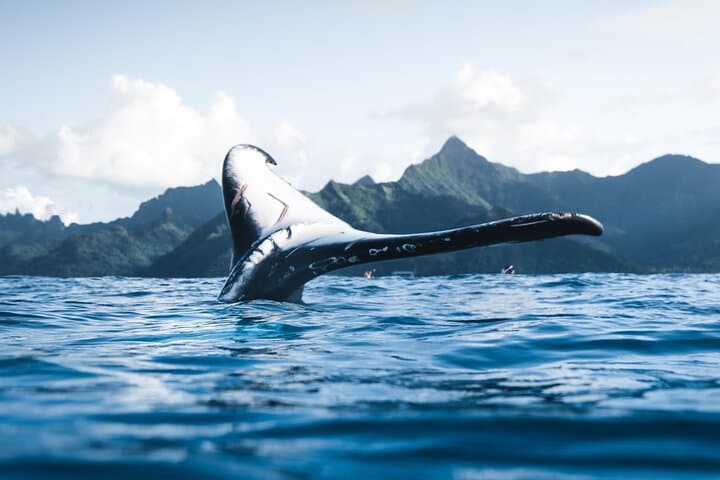
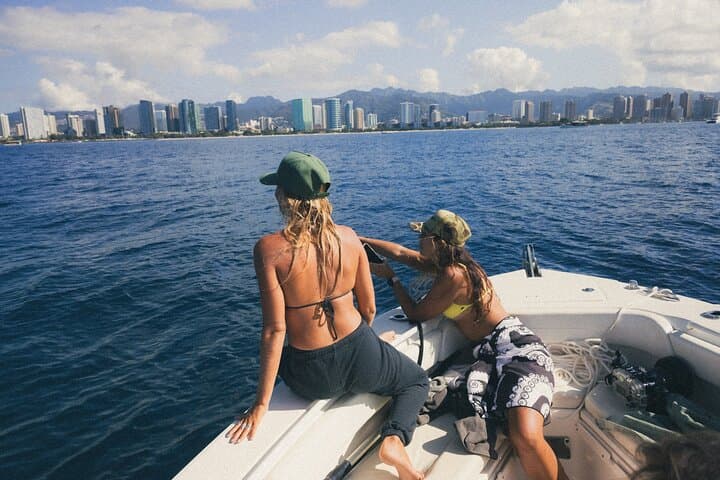
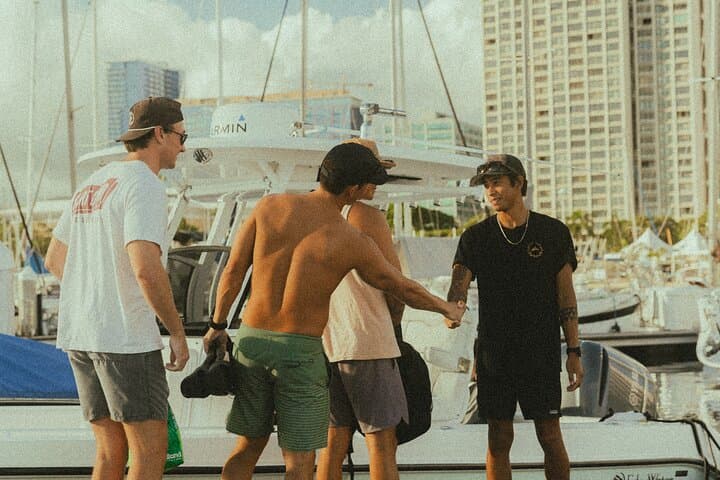
The hull nudges the swell as Waikiki slides behind you, high-rises shrinking to a strip of concrete and palm shadows. A spout arcs from a dark back a few hundred yards away; the captain eases the throttle and the crew points out body language—blows, tail lifts, and the curious slow roll of a mother and calf.
The hull nudges the swell as Waikiki slides behind you, high-rises shrinking to a strip of concrete and palm shadows. A spout arcs from a dark back a few hundred yards away; the captain eases the throttle and the crew points out body language—blows, tail lifts, and the curious slow roll of a mother and calf.
Humpback whales come to Hawaii each winter to breed and calve, a migration of thousands of miles that has shaped local calendars and coastal lore. The islands themselves are volcanic peaks rising out of the Pacific, and the deep channels off Oahu create corridors where whales congregate. On this private, six-passenger center-console trip out of the Honolulu docks, expect an educational rhythm: approach protocols rooted in maritime law and Hawaiian respect, narration on whale behavior, and an emphasis on minimal disturbance.
Culturally, crews on Oahu blend science with moʻolelo—stories that place whales in Hawaiian cosmology—while professional photographers document breaches and spyhops for guests. Practically, tours run about two hours and go a few miles offshore; the small boat means wet spray and close-but-respectful viewing rather than a distant, glassy panorama.
Plan for changeable conditions: bring layered sun protection, motion-sickness remedies, and a waterproof case for cameras. Sightings are most likely December through May but never guaranteed; operators will cancel for unsafe seas. For photographers and naturalists alike, a private boat offers flexibility, close observation, and a direct line to local knowledge—an efficient, immersive way to meet humpbacks on their terms.