THE ADVENTURE COLLECTIVE® · Independent discovery and booking for outdoor travel

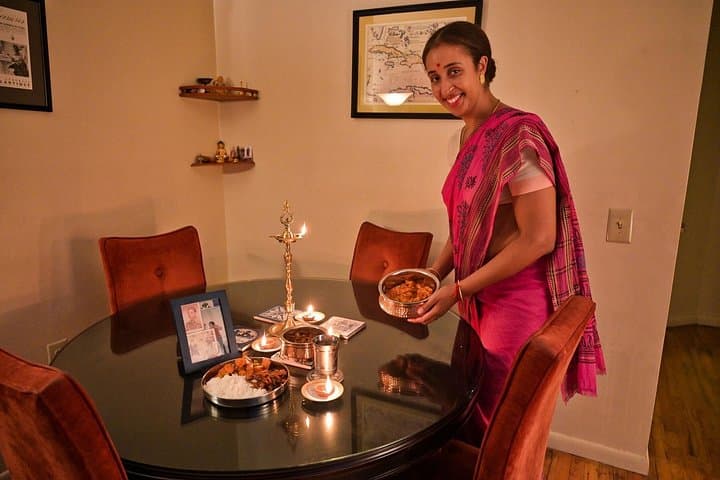
Cook alongside a local host in a cozy East Harlem apartment and learn a fusion menu blending Soul, Tamil and Caribbean traditions. This private, 3-hour class covers hands-on technique, family recipes, and a shared meal at the end.
Cook alongside a local host in a cozy East Harlem apartment and learn a fusion menu blending Soul, Tamil and Caribbean traditions. This private, 3-hour class covers hands-on technique, family recipes, and a shared meal at the end.
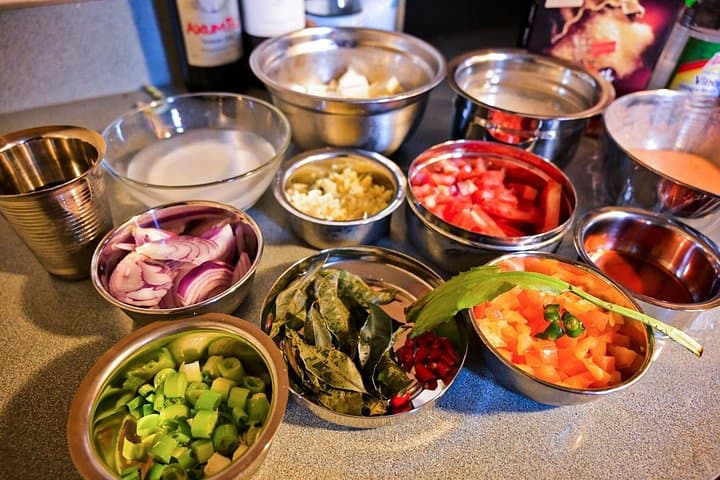
You step inside a fifth-floor walk-up and the city’s edge softens — the hum of 119th Street gives way to the smell of frying plantains and simmering curry. In Kylie’s compact East Harlem kitchen, a bright pitcher of passion fruit juice waits while the day’s menu is explained: a hands-on fusion of Southern soul, Tamil techniques, and Caribbean spice passed down through family kitchens.
Verified experiences and guided adventures in the surrounding area.
Operated by Traveling Spoon · New York, New York
You step inside a fifth-floor walk-up and the city’s edge softens — the hum of 119th Street gives way to the smell of frying plantains and simmering curry. In Kylie’s compact East Harlem kitchen, a bright pitcher of passion fruit juice waits while the day’s menu is explained: a hands-on fusion of Southern soul, Tamil techniques, and Caribbean spice passed down through family kitchens.
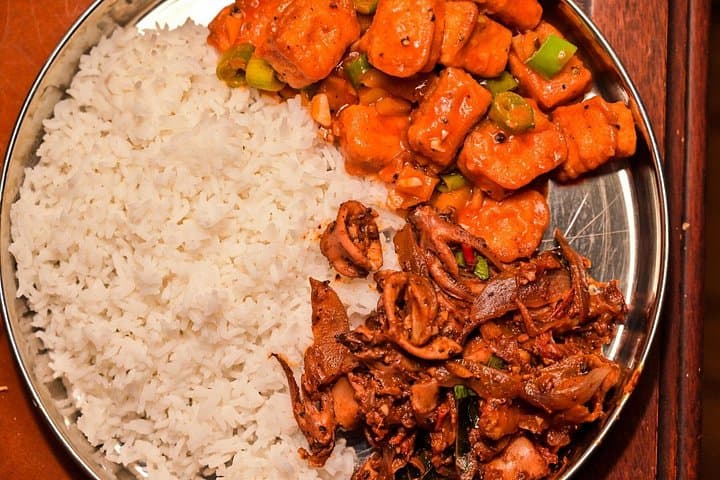
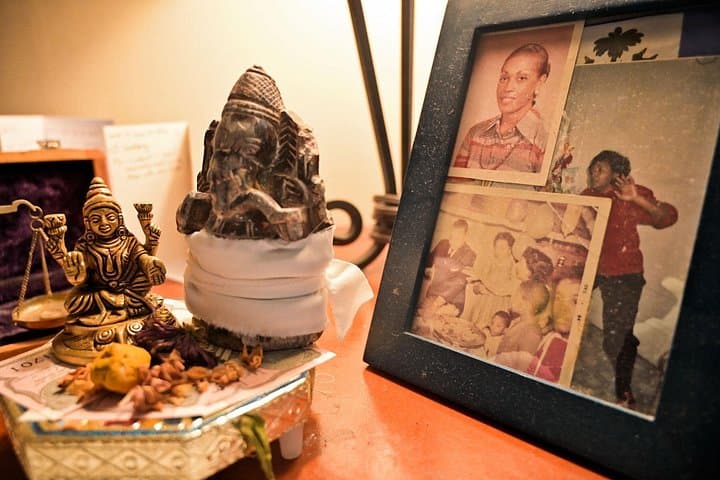
East Harlem has long been a crossroads of migration: from early 20th-century African-American and Puerto Rican communities to newer South Asian families. The neighborhood’s layered history shows in the food — cornbread beside dosai, payasam following warm fried dumplings. Underneath it all lies Manhattan’s bedrock: Manhattan schist keeps these streets firm as cultural currents keep moving.
The class is intimate and practical. Expect a 2–3 hour, private session where Kylie alternates demonstration with hands-on prep; you’ll learn techniques for frying, tempering spices, and shaping rice crepes. Conversation ranges from recipe origins to tips for balancing heat and acidity, and the meal at the end is the classroom’s final exam.
Plan to arrive on time, bring dietary notes for allergies, and wear comfortable shoes for a small kitchen. The #6 train stops nearby; you’ll be buzzed into the building. This is as much about hospitality as technique — leave space to taste, ask about substitutions, and take home recipes rather than packaged tourist memories.
easy.
2–3 hours.
Minimal physical fitness required; ability to stand and move in a small kitchen for the session.
Yes — the host offers vegetarian and gluten-free options if you provide dietary requirements in advance.
You’ll watch or prepare 2–3 dishes and share the finished meal together with the host.
The #6 subway stops a short walk away; the exact address and entry instructions are provided after booking and you’ll need to be buzzed into the building.
Wine or beer may be included; check your booking details or confirm with the host if you have preferences.
East Harlem (El Barrio) reflects layers of migration—African-American Great Migration, Puerto Rican settlement, and more recent South Asian and Caribbean arrivals—creating its distinctive food culture.
Choose reusable containers for leftovers and ask about ingredient sourcing; supporting local hosts helps small-scale cultural preservation and reduces industrial travel footprint.
Traveling Spoon operates guided outdoor trips and adventures with an emphasis on safety, stewardship, and memorable experiences.
You step inside a fifth-floor walk-up and the city’s edge softens — the hum of 119th Street gives way to the smell of frying plantains and simmering curry. In Kylie’s compact East Harlem kitchen, a bright pitcher of passion fruit juice waits while the day’s menu is explained: a hands-on fusion of Southern soul, Tamil techniques, and Caribbean spice passed down through family kitchens.
You step inside a fifth-floor walk-up and the city’s edge softens — the hum of 119th Street gives way to the smell of frying plantains and simmering curry. In Kylie’s compact East Harlem kitchen, a bright pitcher of passion fruit juice waits while the day’s menu is explained: a hands-on fusion of Southern soul, Tamil techniques, and Caribbean spice passed down through family kitchens.
East Harlem has long been a crossroads of migration: from early 20th-century African-American and Puerto Rican communities to newer South Asian families. The neighborhood’s layered history shows in the food — cornbread beside dosai, payasam following warm fried dumplings. Underneath it all lies Manhattan’s bedrock: Manhattan schist keeps these streets firm as cultural currents keep moving.
The class is intimate and practical. Expect a 2–3 hour, private session where Kylie alternates demonstration with hands-on prep; you’ll learn techniques for frying, tempering spices, and shaping rice crepes. Conversation ranges from recipe origins to tips for balancing heat and acidity, and the meal at the end is the classroom’s final exam.
Plan to arrive on time, bring dietary notes for allergies, and wear comfortable shoes for a small kitchen. The #6 train stops nearby; you’ll be buzzed into the building. This is as much about hospitality as technique — leave space to taste, ask about substitutions, and take home recipes rather than packaged tourist memories.