THE ADVENTURE COLLECTIVE® · Independent discovery and booking for outdoor travel

Walk Nuremberg’s medieval streets and confront 20th‑century history on a private, customizable tour that pairs the Imperial Castle and craftsmen’s lanes with the former Nazi rally grounds and the Palace of Justice. Expect 2–5 hours of uneven cobbles, rich context, and sober historic interpretation.
Walk Nuremberg’s medieval streets and confront 20th‑century history on a private, customizable tour that pairs the Imperial Castle and craftsmen’s lanes with the former Nazi rally grounds and the Palace of Justice. Expect 2–5 hours of uneven cobbles, rich context, and sober historic interpretation.
You step out of a U‑bahn and the Old Town greets you with medieval stone and the steady murmur of the Pegnitz River, which threads the city like a cool, patient guide. Cobblestones rise toward the Imperial Castle, whose towers still seem to measure the sky. This is a walking tour that moves between eras: half‑timbered lanes and craftsmen’s shops one moment, the monumental spaces of 20th‑century propaganda the next.
Verified experiences and guided adventures in the surrounding area.
Operated by Nuremberg Free Walking Tour · Nuremberg, Bavaria
You step out of a U‑bahn and the Old Town greets you with medieval stone and the steady murmur of the Pegnitz River, which threads the city like a cool, patient guide. Cobblestones rise toward the Imperial Castle, whose towers still seem to measure the sky. This is a walking tour that moves between eras: half‑timbered lanes and craftsmen’s shops one moment, the monumental spaces of 20th‑century propaganda the next.
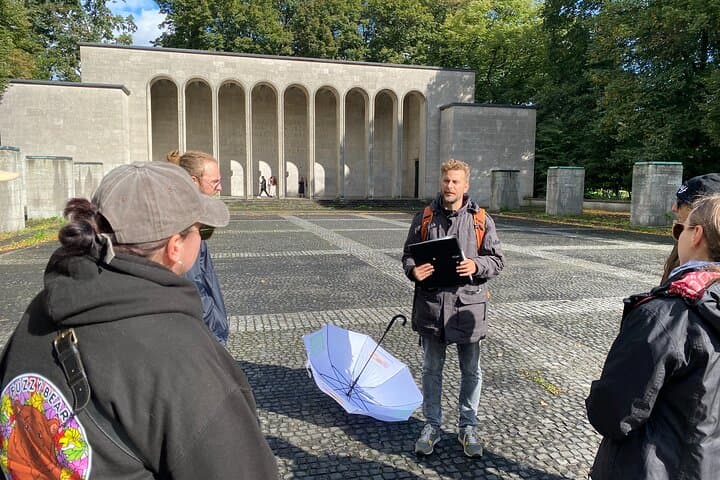
Nuremberg’s history spans imperial power, artistic fame (Albrecht Dürer lived here), wartime destruction, and postwar reckoning. Geologically the city sits on the Franconian basin — low hills and the river’s corridor shaping how streets and ramparts developed. Culturally you’ll encounter Gothic churches, market rhythms at the Hauptmarkt, and museums that confront difficult chapters at the former rally grounds and the Palace of Justice.
On a private tour you choose the pace and emphasis: castle ramparts and St. Sebaldus’ carved altarpieces, the Henkerhaus’s grim social history, or a sober visit to the Documentation Center for the Third Reich. Guides balance context with place — explaining medieval trade, the wartime destruction, and the legal legacy of the Nuremberg Trials.
Practical notes: expect 2–5 hours of walking on uneven cobbles and short stair sections; bring layered clothing and a rain shell. Tours often start near Hauptmarkt; public transport is plentiful and the operator can arrange tickets. Be prepared for sensitive sites — listen, ask, and give space. Midday light is best for photos at the castle; late afternoon softens the stone and empties the busiest squares.
moderate.
2–5 hours.
Light to moderate fitness for walking several kilometers on uneven surfaces; able to stand and climb short stair sections.
Tours run between about 2 and 5 hours; since this is private you can request a preferred start time when booking.
Standard bookings list admissions as not included; confirm specific museum entry with the operator when you book.
Strollers are possible in many areas, but cobbles and stairs make a lightweight stroller preferable; the operator notes infants and small children are welcome.
Yes — guides trained in historical interpretation tailor the visit to your interests while maintaining a respectful, educational approach.
Nuremberg grew as a medieval imperial city and later became the stage for Nazi rallies; after WWII the Nuremberg Trials set precedents in international law, leaving the city with both celebrated art heritage and solemn memorials.
Preservation focuses on maintaining the Old Town’s historic fabric and responsible interpretation of wartime sites; stay on paths, avoid touching fragile stonework, and support local museums.
Nuremberg Free Walking Tour operates guided outdoor trips and adventures with an emphasis on safety, stewardship, and memorable experiences.
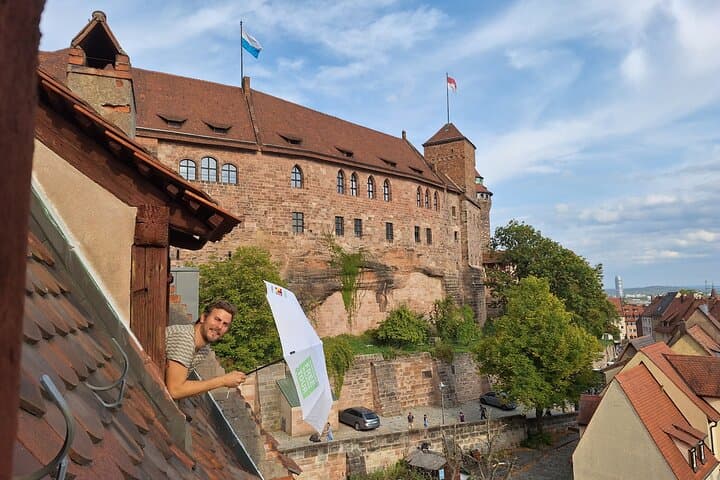
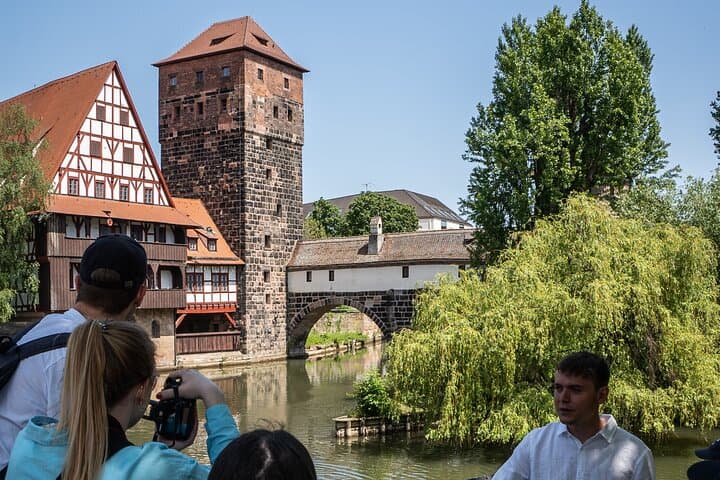
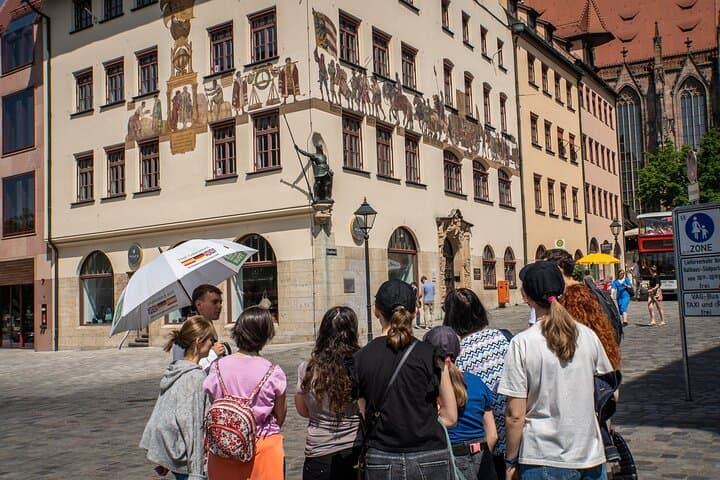
You step out of a U‑bahn and the Old Town greets you with medieval stone and the steady murmur of the Pegnitz River, which threads the city like a cool, patient guide. Cobblestones rise toward the Imperial Castle, whose towers still seem to measure the sky. This is a walking tour that moves between eras: half‑timbered lanes and craftsmen’s shops one moment, the monumental spaces of 20th‑century propaganda the next.
You step out of a U‑bahn and the Old Town greets you with medieval stone and the steady murmur of the Pegnitz River, which threads the city like a cool, patient guide. Cobblestones rise toward the Imperial Castle, whose towers still seem to measure the sky. This is a walking tour that moves between eras: half‑timbered lanes and craftsmen’s shops one moment, the monumental spaces of 20th‑century propaganda the next.
Nuremberg’s history spans imperial power, artistic fame (Albrecht Dürer lived here), wartime destruction, and postwar reckoning. Geologically the city sits on the Franconian basin — low hills and the river’s corridor shaping how streets and ramparts developed. Culturally you’ll encounter Gothic churches, market rhythms at the Hauptmarkt, and museums that confront difficult chapters at the former rally grounds and the Palace of Justice.
On a private tour you choose the pace and emphasis: castle ramparts and St. Sebaldus’ carved altarpieces, the Henkerhaus’s grim social history, or a sober visit to the Documentation Center for the Third Reich. Guides balance context with place — explaining medieval trade, the wartime destruction, and the legal legacy of the Nuremberg Trials.
Practical notes: expect 2–5 hours of walking on uneven cobbles and short stair sections; bring layered clothing and a rain shell. Tours often start near Hauptmarkt; public transport is plentiful and the operator can arrange tickets. Be prepared for sensitive sites — listen, ask, and give space. Midday light is best for photos at the castle; late afternoon softens the stone and empties the busiest squares.