THE ADVENTURE COLLECTIVE® · Independent discovery and booking for outdoor travel

Escape Reykjavík’s glare and chase the aurora along the Seltjarnarnes Peninsula on a private evening tour. Walk coastal paths near Grótta Lighthouse, pause at Perlan and Hallgrímskirkja viewpoints, and let a local guide read the skies to find the best show.
Escape Reykjavík’s glare and chase the aurora along the Seltjarnarnes Peninsula on a private evening tour. Walk coastal paths near Grótta Lighthouse, pause at Perlan and Hallgrímskirkja viewpoints, and let a local guide read the skies to find the best show.
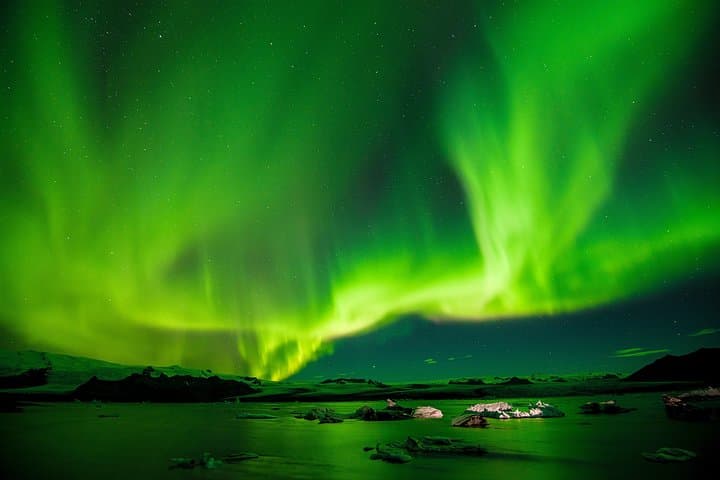
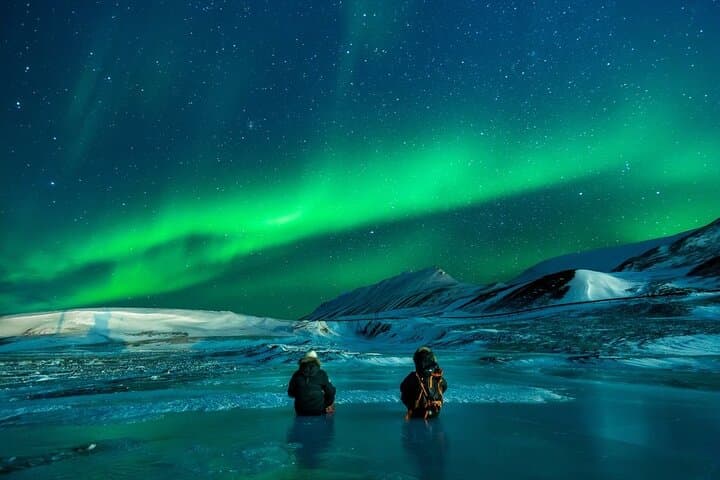
The sky over the Seltjarnarnes Peninsula opens like a dark stage: wind off Faxaflói Bay sharpens the air, and the city lights of Reykjavík fall away as your guide drives toward the shoreline. On clear nights the aurora paints the horizon in shifting greens and purples; on this private outing you’ll watch the display from ocean-side walkways and low cliffs where the sea seems to dare the sky to dance.
Verified experiences and guided adventures in the surrounding area.
Operated by Opatrip.com Iceland · Reykjavík, Capital Region
The sky over the Seltjarnarnes Peninsula opens like a dark stage: wind off Faxaflói Bay sharpens the air, and the city lights of Reykjavík fall away as your guide drives toward the shoreline. On clear nights the aurora paints the horizon in shifting greens and purples; on this private outing you’ll watch the display from ocean-side walkways and low cliffs where the sea seems to dare the sky to dance.
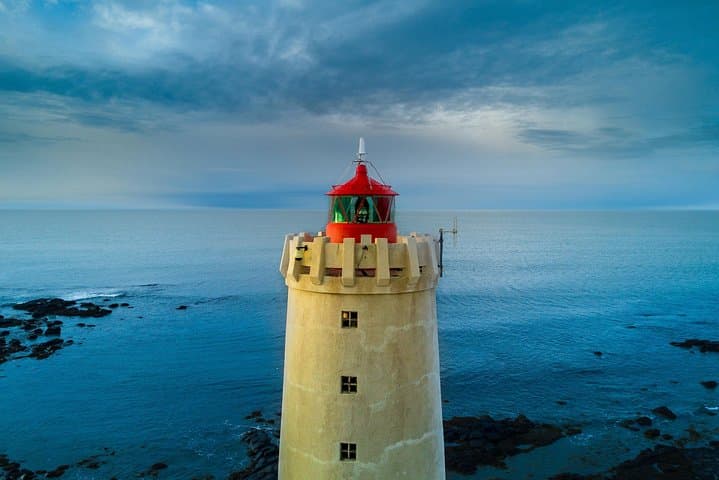
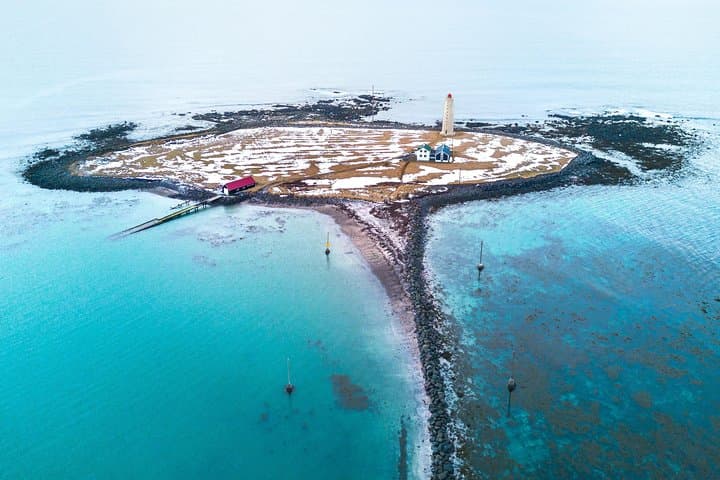
The peninsula began as a fishing and shore-access point for Reykjavík and still bears that coastal character — low lava outcrops, volcanic bedrock, and tidal flats around Grótta Lighthouse. Nearby landmarks include Hallgrímskirkja, Reykjavík’s basilica-like tower inspired by columnar basalt, and Perlan, a glass-domed observatory built atop municipal hot-water tanks offering panoramic views and context about Iceland’s geology and climate.
Practically: Northern Lights season runs roughly September–April when nights are long and skies are dark. Light pollution is lower on Seltjarnarnes than in central Reykjavík, making it a reliable local viewing spot when conditions align. Expect short walks on paved and gravel paths, chilly coastal winds, and fast-changing weather; a charismatic local guide will monitor forecasts and reposition the group to maximize sightings.
Bring layered warm clothing, a windproof shell, and a tripod for long-exposure photos. Plan for a 2–3 hour outing; keep expectations realistic — the aurora is a natural phenomenon without guaranteed shows — but a private tour increases flexibility and the odds of a memorable night under Iceland’s northern sky.
easy.
2–3 hours.
Suitable for most fitness levels; requires short, easy walks on paved/gravel paths and the ability to stand outdoors in cold weather.
Nighttime from September through April offers the longest hours of darkness; clear skies and low geomagnetic activity forecasts increase your chances.
No—aurora displays are a natural phenomenon and cannot be guaranteed; private tours maximize flexibility to chase clearer skies but do not promise sightings.
Most departures are from central Reykjavík with transportation provided to viewpoints like Perlan and Seltjarnarnes; confirm pickup details when booking.
Expect near-freezing to sub-zero temperatures in winter and several hours outside including short walks and stationary viewing; layered clothing is essential.
Seltjarnarnes served historically as a fishing and landing area for Reykjavík; Hallgrímskirkja, visible from town, reflects 20th-century Icelandic architecture inspired by volcanic column formations.
Light pollution management around Reykjavík helps preserve darker skies near Seltjarnarnes; stay on paths and avoid disturbing nesting birds along the shoreline.
Opatrip.com Iceland operates guided outdoor trips and adventures with an emphasis on safety, stewardship, and memorable experiences.
The sky over the Seltjarnarnes Peninsula opens like a dark stage: wind off Faxaflói Bay sharpens the air, and the city lights of Reykjavík fall away as your guide drives toward the shoreline. On clear nights the aurora paints the horizon in shifting greens and purples; on this private outing you’ll watch the display from ocean-side walkways and low cliffs where the sea seems to dare the sky to dance.
The sky over the Seltjarnarnes Peninsula opens like a dark stage: wind off Faxaflói Bay sharpens the air, and the city lights of Reykjavík fall away as your guide drives toward the shoreline. On clear nights the aurora paints the horizon in shifting greens and purples; on this private outing you’ll watch the display from ocean-side walkways and low cliffs where the sea seems to dare the sky to dance.
The peninsula began as a fishing and shore-access point for Reykjavík and still bears that coastal character — low lava outcrops, volcanic bedrock, and tidal flats around Grótta Lighthouse. Nearby landmarks include Hallgrímskirkja, Reykjavík’s basilica-like tower inspired by columnar basalt, and Perlan, a glass-domed observatory built atop municipal hot-water tanks offering panoramic views and context about Iceland’s geology and climate.
Practically: Northern Lights season runs roughly September–April when nights are long and skies are dark. Light pollution is lower on Seltjarnarnes than in central Reykjavík, making it a reliable local viewing spot when conditions align. Expect short walks on paved and gravel paths, chilly coastal winds, and fast-changing weather; a charismatic local guide will monitor forecasts and reposition the group to maximize sightings.
Bring layered warm clothing, a windproof shell, and a tripod for long-exposure photos. Plan for a 2–3 hour outing; keep expectations realistic — the aurora is a natural phenomenon without guaranteed shows — but a private tour increases flexibility and the odds of a memorable night under Iceland’s northern sky.