THE ADVENTURE COLLECTIVE® · Independent discovery and booking for outdoor travel

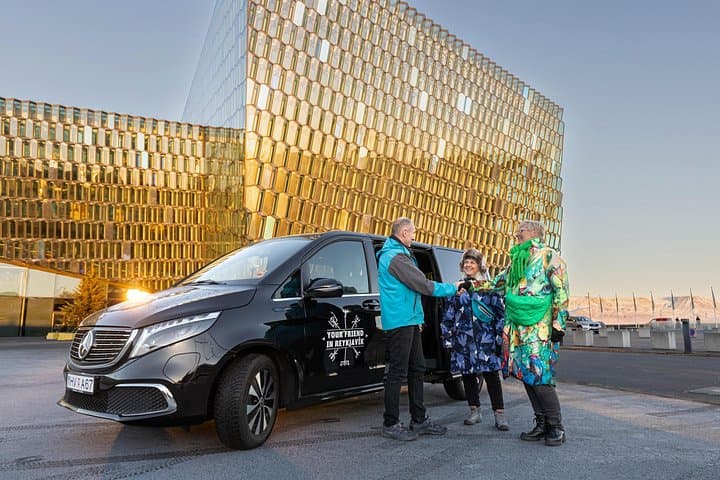
Leave city lights behind and let an expert guide read the sky on this private Northern Lights hunt from Reykjavik. Chauffeured routing, photography tips, and warm layers are the practical keys to improving your odds of seeing the aurora.
Leave city lights behind and let an expert guide read the sky on this private Northern Lights hunt from Reykjavik. Chauffeured routing, photography tips, and warm layers are the practical keys to improving your odds of seeing the aurora.
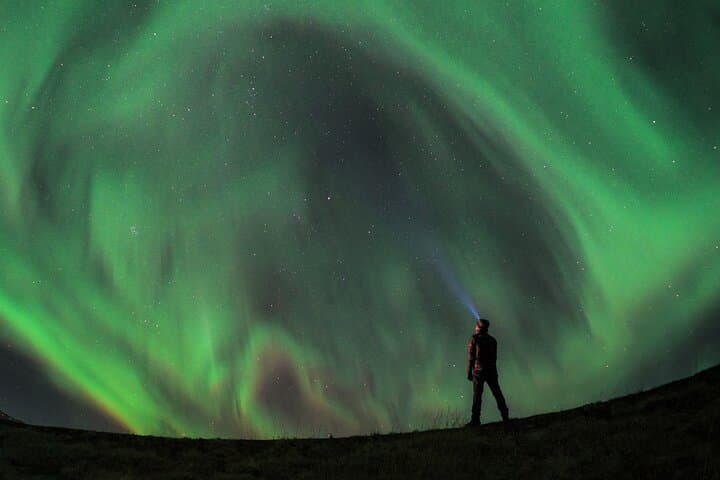
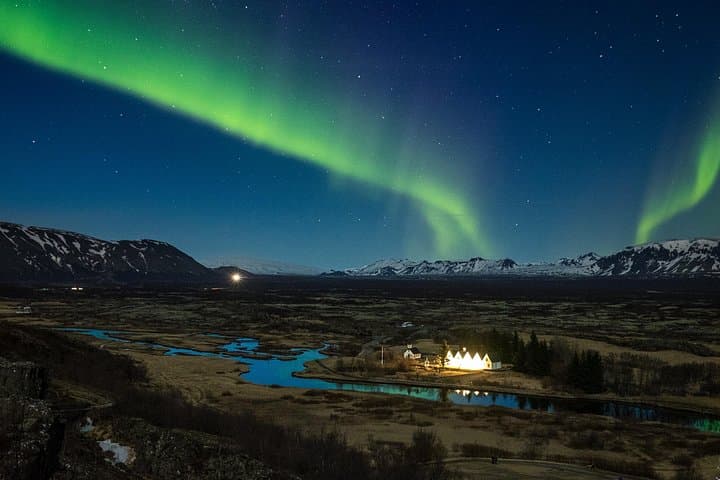
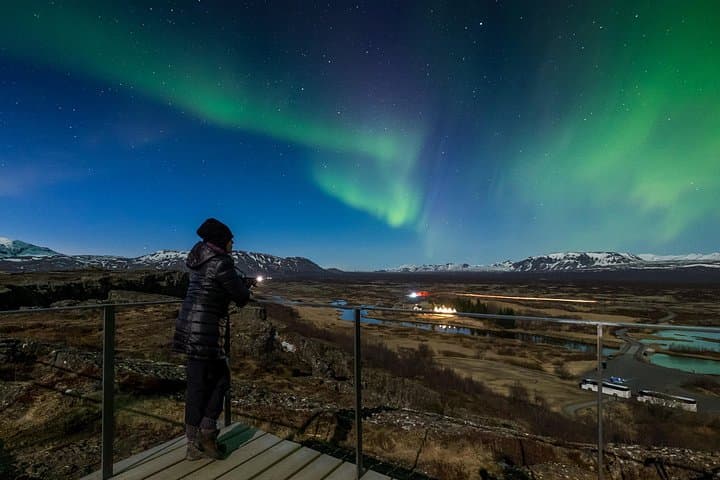
Headlights thread through a raw Icelandic night as your private vehicle slips away from Reykjavik's sodium-lit streets. The cold nips at exposed skin while the sky opens wide—black velvet punctured by slow, shifting curtains of green. Guides scan the horizon, reading cloud, wind, and geomagnetic activity like a weathered map.
Verified experiences and guided adventures in the surrounding area.
Operated by Your Friend In Reykjavik · Reykjavik, Capital Region
Headlights thread through a raw Icelandic night as your private vehicle slips away from Reykjavik's sodium-lit streets. The cold nips at exposed skin while the sky opens wide—black velvet punctured by slow, shifting curtains of green. Guides scan the horizon, reading cloud, wind, and geomagnetic activity like a weathered map.
The aurora borealis appears when charged solar particles meet gases high in the atmosphere; the common green glow comes from oxygen at mid-altitudes, while rarer blues and purples hint at different particles and heights. Iceland's volcanic geology and low urban light outside the capital give photographers and first-time viewers clear vantage points. Local folklore long treated the lights as omens and stories—modern guides mix that oral history with practical science.
This private, chauffeured hunt typically lasts about 4–5 hours. It requires little physical exertion: expect roadside stops and short walks over gravel or frozen turf to reach viewpoints. Guides prioritize flexible routing, chasing clear skies across the Reykjanes Peninsula, Hvalfjörður, or other low-light corridors depending on conditions.
Plan for cold, wind, and sudden weather changes. Bring layered insulation, a windproof outer shell, a tripod and spare batteries for long-exposure shots, and snacks to stay warm during stationary watches. Photography advice centers on wide apertures, elevated ISO, and shutter speeds from 5–25 seconds for DSLRs; smartphone users will benefit from dedicated night modes or simple tripod use.
Aurora viewing cannot be guaranteed—patience, timing, and a good guide raise your odds. When the sky finally stirs, the lights will feel like a live, moving thing, nudging you to look up and hold the moment.
easy.
4–5 hours.
Accessible to most people in average fitness; no sustained hiking required but standing in cold for extended periods is common.
No—sightings depend on solar activity and clear skies; the private format and expert guides improve chances but cannot guarantee a display.
Yes—infants and small children can come; stroller access and specialized infant seats are available on request.
No prior expertise required; guides provide tips for DSLR and smartphone settings, though bringing a tripod improves results.
Full refunds are available if you cancel at least 24 hours before departure; the operator does not automatically cancel for poor weather, so discuss alternatives with your guide.
Icelandic sagas and folklore historically interpreted the northern lights in stories and omens; modern accounts mix that cultural memory with atmospheric science.
Minimize light pollution by turning off flash and vehicle lights when safe; stick to roads and avoid trampling fragile moss and turf when exiting vehicles.
Your Friend In Reykjavik operates guided outdoor trips and adventures with an emphasis on safety, stewardship, and memorable experiences.
Headlights thread through a raw Icelandic night as your private vehicle slips away from Reykjavik's sodium-lit streets. The cold nips at exposed skin while the sky opens wide—black velvet punctured by slow, shifting curtains of green. Guides scan the horizon, reading cloud, wind, and geomagnetic activity like a weathered map.
Headlights thread through a raw Icelandic night as your private vehicle slips away from Reykjavik's sodium-lit streets. The cold nips at exposed skin while the sky opens wide—black velvet punctured by slow, shifting curtains of green. Guides scan the horizon, reading cloud, wind, and geomagnetic activity like a weathered map.
The aurora borealis appears when charged solar particles meet gases high in the atmosphere; the common green glow comes from oxygen at mid-altitudes, while rarer blues and purples hint at different particles and heights. Iceland's volcanic geology and low urban light outside the capital give photographers and first-time viewers clear vantage points. Local folklore long treated the lights as omens and stories—modern guides mix that oral history with practical science.
This private, chauffeured hunt typically lasts about 4–5 hours. It requires little physical exertion: expect roadside stops and short walks over gravel or frozen turf to reach viewpoints. Guides prioritize flexible routing, chasing clear skies across the Reykjanes Peninsula, Hvalfjörður, or other low-light corridors depending on conditions.
Plan for cold, wind, and sudden weather changes. Bring layered insulation, a windproof outer shell, a tripod and spare batteries for long-exposure shots, and snacks to stay warm during stationary watches. Photography advice centers on wide apertures, elevated ISO, and shutter speeds from 5–25 seconds for DSLRs; smartphone users will benefit from dedicated night modes or simple tripod use.
Aurora viewing cannot be guaranteed—patience, timing, and a good guide raise your odds. When the sky finally stirs, the lights will feel like a live, moving thing, nudging you to look up and hold the moment.