THE ADVENTURE COLLECTIVE® · Independent discovery and booking for outdoor travel

Explore northern Mauritius in a private full-day tour that pairs Port Louis’ colonial streets with the fragrant Sir Seewoosagur Ramgoolam Botanical Garden and the photogenic red-roofed chapel at Cap Malheureux. Practical tips for timing, gear and local customs included.
Explore northern Mauritius in a private full-day tour that pairs Port Louis’ colonial streets with the fragrant Sir Seewoosagur Ramgoolam Botanical Garden and the photogenic red-roofed chapel at Cap Malheureux. Practical tips for timing, gear and local customs included.
You arrive at a harbour rimmed by turquoise and the red roof of Notre Dame Auxiliatrice frames the northern horizon — the sea seems to push you toward the five islets off Cap Malheureux while fishermen mend nets below. The day unfolds like a local atlas: a colonial capital, a mill that keeps sugar’s story alive, and a botanical garden that reads like a manual of the tropics.
Verified experiences and guided adventures in the surrounding area.
Operated by The Palm Taxi and Tours · Port Louis, Port Louis District
You arrive at a harbour rimmed by turquoise and the red roof of Notre Dame Auxiliatrice frames the northern horizon — the sea seems to push you toward the five islets off Cap Malheureux while fishermen mend nets below. The day unfolds like a local atlas: a colonial capital, a mill that keeps sugar’s story alive, and a botanical garden that reads like a manual of the tropics.
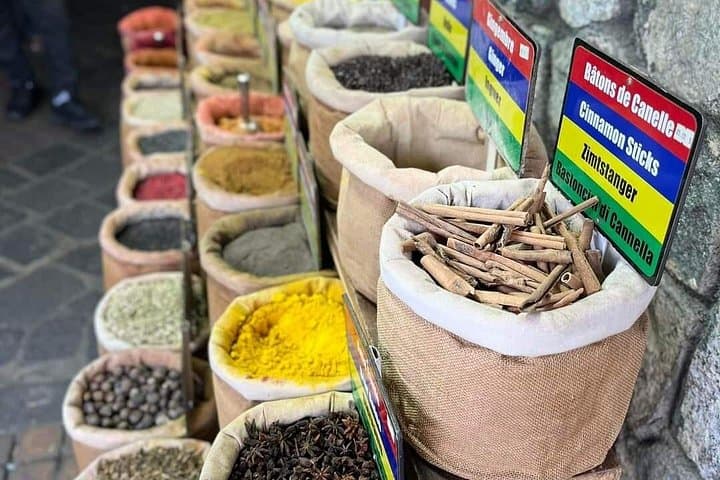
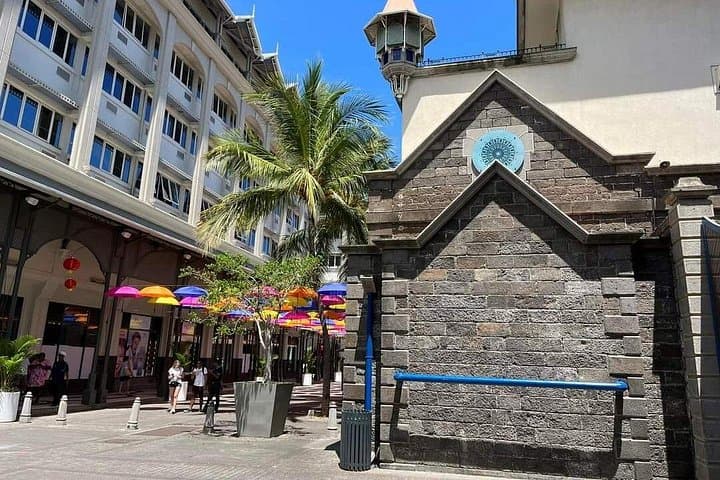
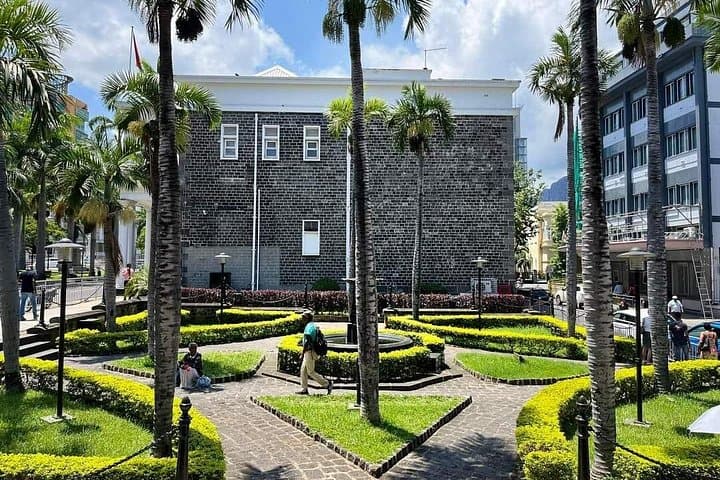
Port Louis carries layers of history — French colonial facades, a British-era citadel, and a market where Creole, Indian and Chinese influences trade spices and stories. Geologically the island is an eroded volcanic mass; the north’s shallow reefs and rocky pools around Cap Malheureux reveal reef flats and basalt outcrops. At the sugar estate, old mill machinery and tasting rooms translate five centuries of agricultural economy into scent and flavor. The Sir Seewoosagur Ramgoolam Botanical Garden presents giant water lilies, baobabs and palms in deliberate arrangement: horticulture as both science and social display.
Practical edge: this is a seven-hour, low-impact day suited to walkers who can handle short walks, stairs and market browsing. Expect open-air sun, sudden showers in the warmer months, and crowded pockets at Le Caudan and the Red Church midday. Bring reef-safe sunscreen, a refillable water bottle, comfortable closed-toe shoes for museum and garden paths, and a light rain layer. Time visits to the botanical garden and Fort Adelaide early to beat heat and crowds. Respect places of worship with modest clothing and ask before photographing locals. With a local driver-guide handling logistics, you’ll cover the north’s highlights efficiently while still finding time to taste rum, haggle at a market stall, and stand above Port Louis watching the harbor breathe.
easy.
6–7 hours.
Suitable for most fitness levels; expect short walks, steps and standing time during market visits.
Yes — the private tour includes pickup and drop-off from hotels or accommodations anywhere on the island.
Admissions vary; the tour lists visits but not all admissions are guaranteed included — check the booking details ahead of time.
Yes — the itinerary is suitable for all ages and infant seats are available on request.
As a private tour, the driver-guide can often tailor stops within the seven-hour window; confirm changes when booking.
The north’s appearance today reflects French and British colonial eras and the island’s sugar economy, visible in Port Louis’ architecture and the sugar estate museum.
Coral reefs and coastal mangroves are sensitive; favor reef-safe products, avoid touching corals, and minimize single-use plastics during visits.
The Palm Taxi and Tours operates guided outdoor trips and adventures with an emphasis on safety, stewardship, and memorable experiences.
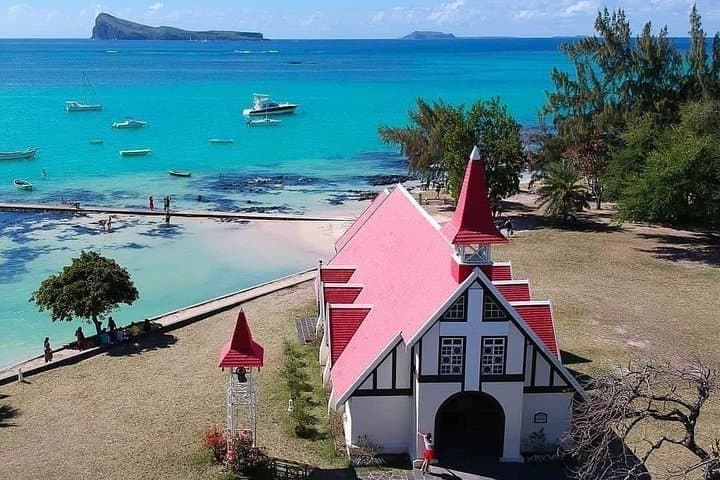
You arrive at a harbour rimmed by turquoise and the red roof of Notre Dame Auxiliatrice frames the northern horizon — the sea seems to push you toward the five islets off Cap Malheureux while fishermen mend nets below. The day unfolds like a local atlas: a colonial capital, a mill that keeps sugar’s story alive, and a botanical garden that reads like a manual of the tropics.
You arrive at a harbour rimmed by turquoise and the red roof of Notre Dame Auxiliatrice frames the northern horizon — the sea seems to push you toward the five islets off Cap Malheureux while fishermen mend nets below. The day unfolds like a local atlas: a colonial capital, a mill that keeps sugar’s story alive, and a botanical garden that reads like a manual of the tropics.
Port Louis carries layers of history — French colonial facades, a British-era citadel, and a market where Creole, Indian and Chinese influences trade spices and stories. Geologically the island is an eroded volcanic mass; the north’s shallow reefs and rocky pools around Cap Malheureux reveal reef flats and basalt outcrops. At the sugar estate, old mill machinery and tasting rooms translate five centuries of agricultural economy into scent and flavor. The Sir Seewoosagur Ramgoolam Botanical Garden presents giant water lilies, baobabs and palms in deliberate arrangement: horticulture as both science and social display.
Practical edge: this is a seven-hour, low-impact day suited to walkers who can handle short walks, stairs and market browsing. Expect open-air sun, sudden showers in the warmer months, and crowded pockets at Le Caudan and the Red Church midday. Bring reef-safe sunscreen, a refillable water bottle, comfortable closed-toe shoes for museum and garden paths, and a light rain layer. Time visits to the botanical garden and Fort Adelaide early to beat heat and crowds. Respect places of worship with modest clothing and ask before photographing locals. With a local driver-guide handling logistics, you’ll cover the north’s highlights efficiently while still finding time to taste rum, haggle at a market stall, and stand above Port Louis watching the harbor breathe.