THE ADVENTURE COLLECTIVE® · Independent discovery and booking for outdoor travel

Spend four peaceful hours on a private felucca from Luxor to Banana Island—an intimate Nile cruise through fruit orchards, river birds, and a tiny riverside café. Ideal for travelers who want a quieter look at local river life away from the temple crowds.
Spend four peaceful hours on a private felucca from Luxor to Banana Island—an intimate Nile cruise through fruit orchards, river birds, and a tiny riverside café. Ideal for travelers who want a quieter look at local river life away from the temple crowds.
The felucca slips away from Luxor’s riverbank and the city noise falls behind—only the river's current nudging the boat forward. Sunlight glances off papyrus-lined shores while the boatman steers toward a green crescent in the Nile: Banana Island. Palm fronds lean and the island exhales the warm, sweet smell of ripening fruit.
Verified experiences and guided adventures in the surrounding area.
Operated by Eyes of Egypt · Luxor, Luxor Governorate
The felucca slips away from Luxor’s riverbank and the city noise falls behind—only the river's current nudging the boat forward. Sunlight glances off papyrus-lined shores while the boatman steers toward a green crescent in the Nile: Banana Island. Palm fronds lean and the island exhales the warm, sweet smell of ripening fruit.
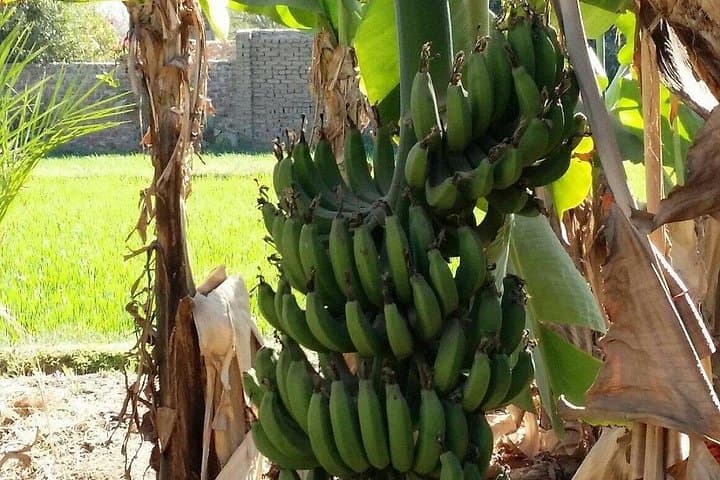
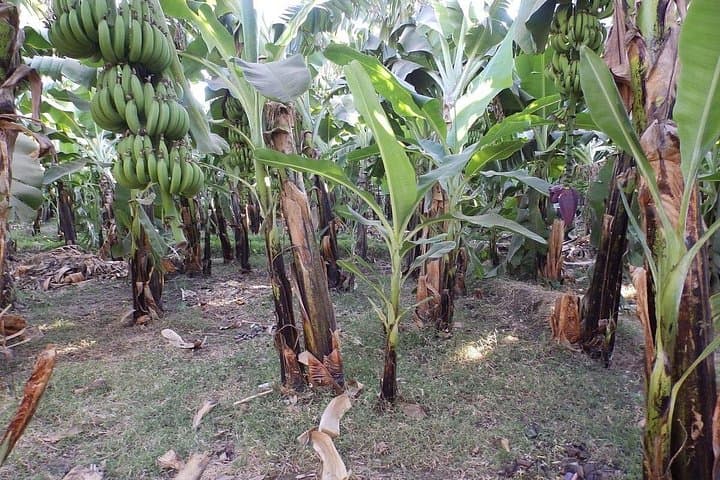
Banana Island sits on the Nile’s northern reach of Luxor and has long been part of the river’s working landscape—small-scale orchards, sugarcane plots and a handful of seasonal dwellings. Geologically, the island is riverine sediment, built by seasonal floods that deposited silt and created rich soil. Culturally, it offers a quieter counterpoint to Luxor’s temples: local farmers, a tiny café, caged poultry and the slow rhythms of daily life on the Nile.
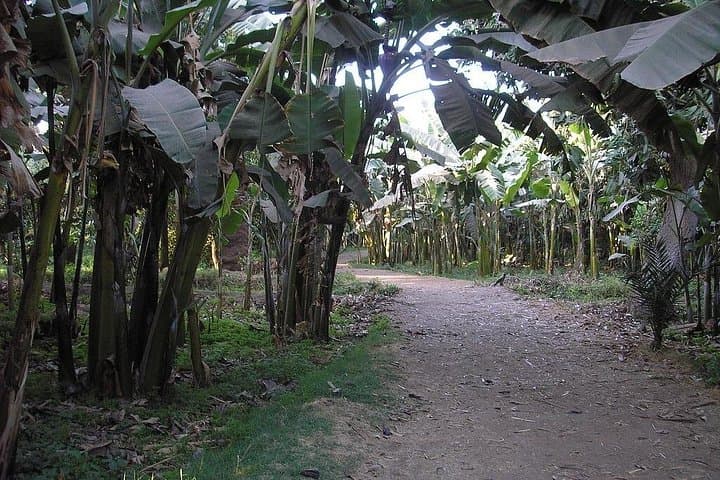
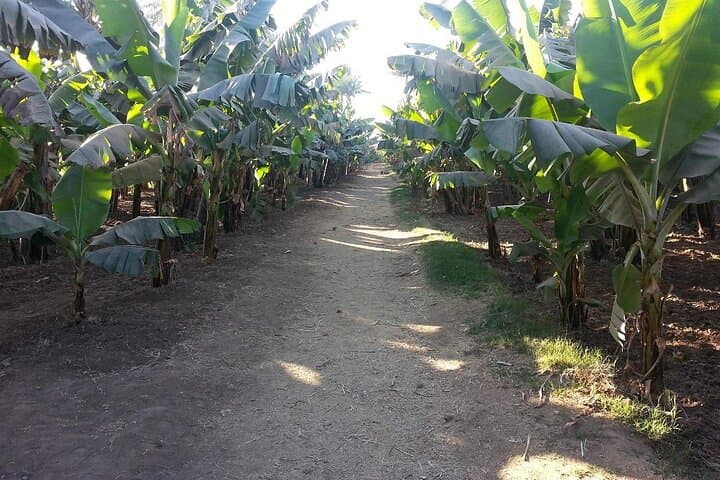
Expect easy walking on flat, often sandy paths, short boat transfers, and close-up views of island agriculture. Keep an eye for herons and river birds wading along shallows; crocodiles are reported in stretches of the Nile but sightings here are uncommon and usually distant. Photographers will find low, golden light and reflections framed by banana leaves.
Practical guidance: schedule the trip in the cool morning or late afternoon to beat mid-day heat, bring sun protection, secure footwear for slippery docks and small steps onto the felucca, and carry water and small change for the café. The private tour is ideal for travelers seeking a calm, personalized Nile experience with minimal walking but strong local color.
easy.
4 hours.
Suitable for travelers of all fitness levels; minimal walking on flat terrain and short boat transfers.
The private Banana Island felucca tour is approximately four hours from hotel pickup and return.
Facilities are limited to the small café on the island and basic boat amenities; plan accordingly.
The listing indicates wheelchair-accessible transport, but boat boarding may be difficult for some—contact the operator ahead to confirm arrangements.
Crocodiles inhabit stretches of the Nile but sightings near Banana Island are uncommon; guides will keep a safe distance if wildlife appears.
Banana Island grew from Nile silt deposits and has been used for small-scale fruit cultivation and river trade for generations, reflecting the Nile’s role in local agriculture.
Bring reusable containers and avoid single-use plastics; refuse disposal is limited on the island and reducing waste helps protect river habitats.
Eyes of Egypt operates guided outdoor trips and adventures with an emphasis on safety, stewardship, and memorable experiences.
The felucca slips away from Luxor’s riverbank and the city noise falls behind—only the river's current nudging the boat forward. Sunlight glances off papyrus-lined shores while the boatman steers toward a green crescent in the Nile: Banana Island. Palm fronds lean and the island exhales the warm, sweet smell of ripening fruit.
The felucca slips away from Luxor’s riverbank and the city noise falls behind—only the river's current nudging the boat forward. Sunlight glances off papyrus-lined shores while the boatman steers toward a green crescent in the Nile: Banana Island. Palm fronds lean and the island exhales the warm, sweet smell of ripening fruit.
Banana Island sits on the Nile’s northern reach of Luxor and has long been part of the river’s working landscape—small-scale orchards, sugarcane plots and a handful of seasonal dwellings. Geologically, the island is riverine sediment, built by seasonal floods that deposited silt and created rich soil. Culturally, it offers a quieter counterpoint to Luxor’s temples: local farmers, a tiny café, caged poultry and the slow rhythms of daily life on the Nile.
Expect easy walking on flat, often sandy paths, short boat transfers, and close-up views of island agriculture. Keep an eye for herons and river birds wading along shallows; crocodiles are reported in stretches of the Nile but sightings here are uncommon and usually distant. Photographers will find low, golden light and reflections framed by banana leaves.
Practical guidance: schedule the trip in the cool morning or late afternoon to beat mid-day heat, bring sun protection, secure footwear for slippery docks and small steps onto the felucca, and carry water and small change for the café. The private tour is ideal for travelers seeking a calm, personalized Nile experience with minimal walking but strong local color.