THE ADVENTURE COLLECTIVE® · Independent discovery and booking for outdoor travel

Float from Luxor to Aswan on a private five-day Nile cruise that pairs relaxed river travel with daily temple excursions. Expect guided visits to Karnak, the Valley of the Kings, Edfu, Kom Ombo and Philae, with most walking on uneven ancient stone.
Float from Luxor to Aswan on a private five-day Nile cruise that pairs relaxed river travel with daily temple excursions. Expect guided visits to Karnak, the Valley of the Kings, Edfu, Kom Ombo and Philae, with most walking on uneven ancient stone.
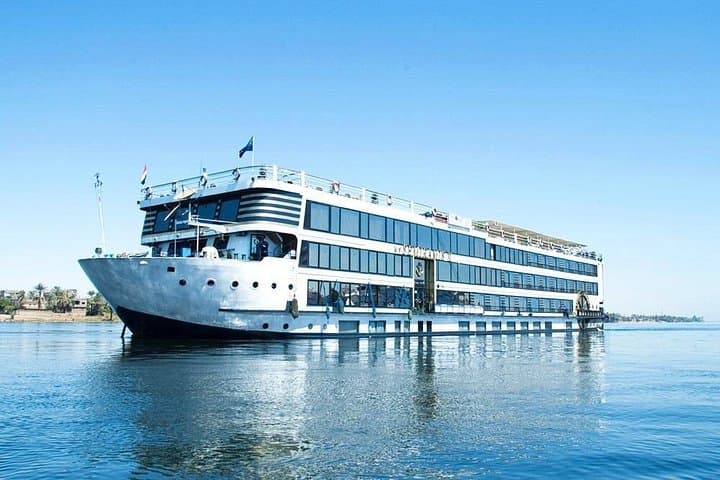
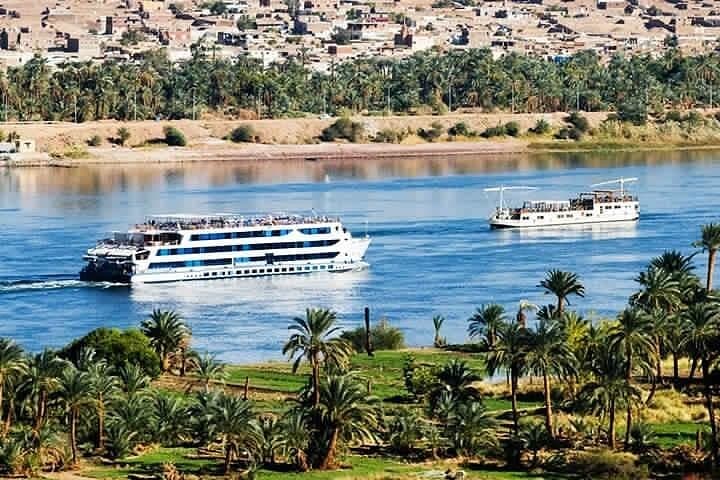
The boat slips away from Luxor at dawn and the Nile opens like a slow-moving road of light, pushing the vessel past palm fringes and mudbrick villages. Aboard a five-star dahabiya-style cruise, passengers trade the city's limestone bustle for teak decks, shaded lounges and a steady horizon that insists you slow down.
Verified experiences and guided adventures in the surrounding area.
Operated by Dahab Safari Day Tours · Luxor, Luxor Governorate
The boat slips away from Luxor at dawn and the Nile opens like a slow-moving road of light, pushing the vessel past palm fringes and mudbrick villages. Aboard a five-star dahabiya-style cruise, passengers trade the city's limestone bustle for teak decks, shaded lounges and a steady horizon that insists you slow down.
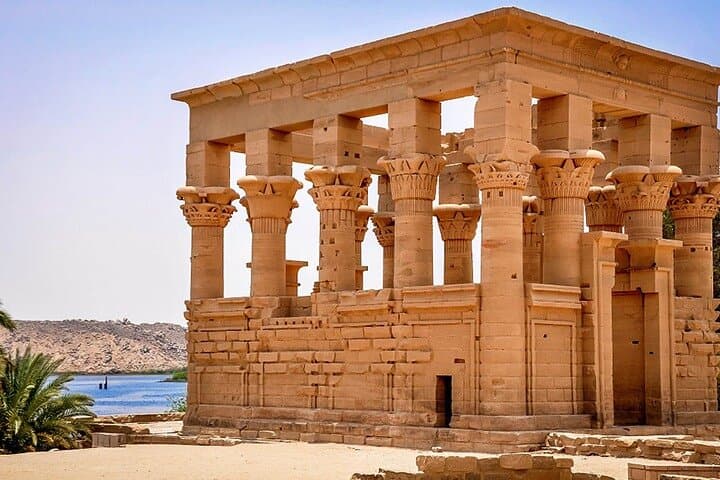
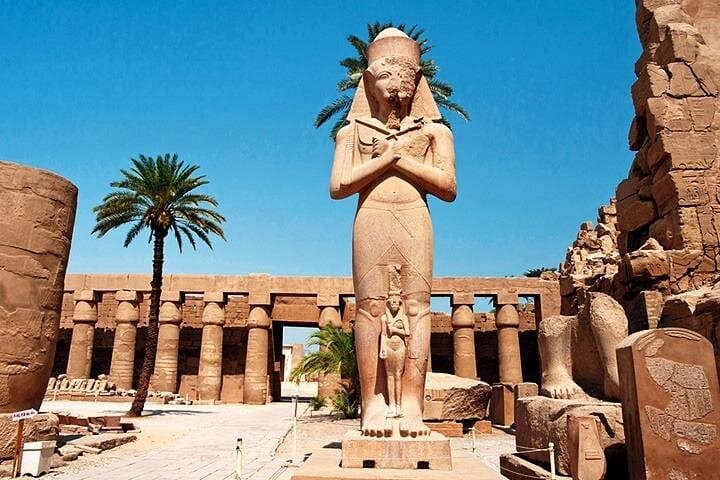
This route threads the core of Upper Egypt: Karnak's pylons and Luxor Temple on the East Bank, the royal tombs cut into cliff on the West Bank, Edfu’s Horus Temple frozen in Greco-Roman stonework, Kom Ombo’s unusual double shrine, and Aswan’s High Dam and Philae island temple. Geology is plain here — Nile silt and sandstone cliffs record millennia of river flow and human hands. Culturally, the cruise is a corridor of pharaonic faith, Roman occupation, Coptic communities and living Nubian traditions.
Expect guided shore excursions each day and plenty of calm hours to watch river life challenge the current: fishermen casting, cattle grazing, and kingfishers darting like punctuation. Practical planning matters: bring sun protection, comfortable shoes for uneven temple stairways, and a light daypack for water and camera gear. Mornings are best for monument visits to avoid midday heat; evenings on deck offer cooler air and clear views across wide water.
For independent travelers, this private cruise balances relaxed navigation with scheduled archaeological stops — ideal for travelers who want history, comfort, and a steady rhythm set by the Nile itself.
easy.
5 days.
Light activity: mostly walking during guided excursions; minimal exertion aboard the cruise but expect stairs and uneven ground at sites.
This private itinerary runs about five days and typically includes accommodation aboard the cruise on a full board basis, guided shore excursions, transfers and selected meals as listed in the itinerary.
The cruise itself is low-impact, but temple sites have uneven terrain and steps; travelers with significant mobility limitations should consult the operator ahead of booking.
Most listed archaeological visits include an English-speaking Egyptologist guide and standard admissions as noted in the itinerary; confirm specifics at booking.
Visitors to Egypt generally require a visa; check current entry rules and recommended vaccinations before travel and carry copies of passports and travel insurance.
This stretch of the Nile was the political and ritual heartland of ancient Egypt; temples and tombs were built to control the river’s fertility and immortalize pharaohs.
Tour operators increasingly limit single-use plastics on board and follow site rules; visitors should avoid touching ruins and support local conservation initiatives by respecting signage and waste disposal.
Dahab Safari Day Tours operates guided outdoor trips and adventures with an emphasis on safety, stewardship, and memorable experiences.
The boat slips away from Luxor at dawn and the Nile opens like a slow-moving road of light, pushing the vessel past palm fringes and mudbrick villages. Aboard a five-star dahabiya-style cruise, passengers trade the city's limestone bustle for teak decks, shaded lounges and a steady horizon that insists you slow down.
The boat slips away from Luxor at dawn and the Nile opens like a slow-moving road of light, pushing the vessel past palm fringes and mudbrick villages. Aboard a five-star dahabiya-style cruise, passengers trade the city's limestone bustle for teak decks, shaded lounges and a steady horizon that insists you slow down.
This route threads the core of Upper Egypt: Karnak's pylons and Luxor Temple on the East Bank, the royal tombs cut into cliff on the West Bank, Edfu’s Horus Temple frozen in Greco-Roman stonework, Kom Ombo’s unusual double shrine, and Aswan’s High Dam and Philae island temple. Geology is plain here — Nile silt and sandstone cliffs record millennia of river flow and human hands. Culturally, the cruise is a corridor of pharaonic faith, Roman occupation, Coptic communities and living Nubian traditions.
Expect guided shore excursions each day and plenty of calm hours to watch river life challenge the current: fishermen casting, cattle grazing, and kingfishers darting like punctuation. Practical planning matters: bring sun protection, comfortable shoes for uneven temple stairways, and a light daypack for water and camera gear. Mornings are best for monument visits to avoid midday heat; evenings on deck offer cooler air and clear views across wide water.
For independent travelers, this private cruise balances relaxed navigation with scheduled archaeological stops — ideal for travelers who want history, comfort, and a steady rhythm set by the Nile itself.