THE ADVENTURE COLLECTIVE® · Independent discovery and booking for outdoor travel

Glide from Aswan to Luxor on a four-day Nile cruise that pairs three nights aboard a comfortable vessel with guided visits to Philae, Kom Ombo, Edfu, Karnak, Luxor and the Valley of the Kings. Ideal for travelers looking to combine relaxed river travel with intense cultural sightseeing.
Glide from Aswan to Luxor on a four-day Nile cruise that pairs three nights aboard a comfortable vessel with guided visits to Philae, Kom Ombo, Edfu, Karnak, Luxor and the Valley of the Kings. Ideal for travelers looking to combine relaxed river travel with intense cultural sightseeing.
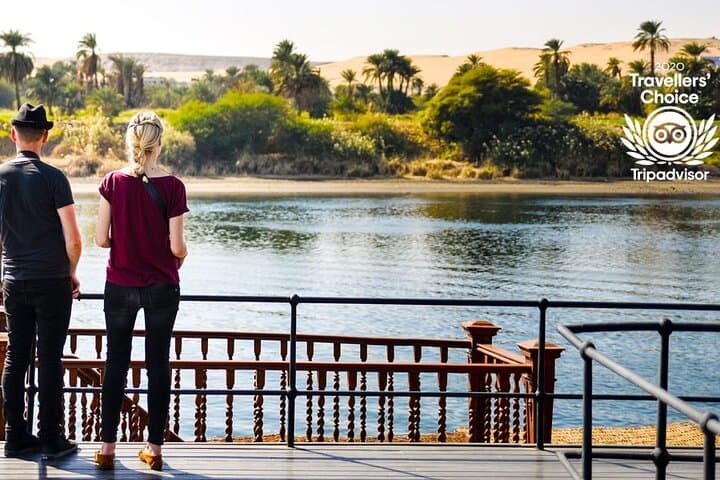
Morning light breaks across the Nile and the boat answers with a low, steady hum as you step aboard in Aswan. The river pulls you inland—warm air, gulls, and the slow, deliberate current that has carved life into this arid landscape for millennia. On deck, palm shadows slide past while feluccas nod like small ships against the wide water.
Verified experiences and guided adventures in the surrounding area.
Operated by Journey To Egypt · Aswan, Aswan Governorate
Morning light breaks across the Nile and the boat answers with a low, steady hum as you step aboard in Aswan. The river pulls you inland—warm air, gulls, and the slow, deliberate current that has carved life into this arid landscape for millennia. On deck, palm shadows slide past while feluccas nod like small ships against the wide water.
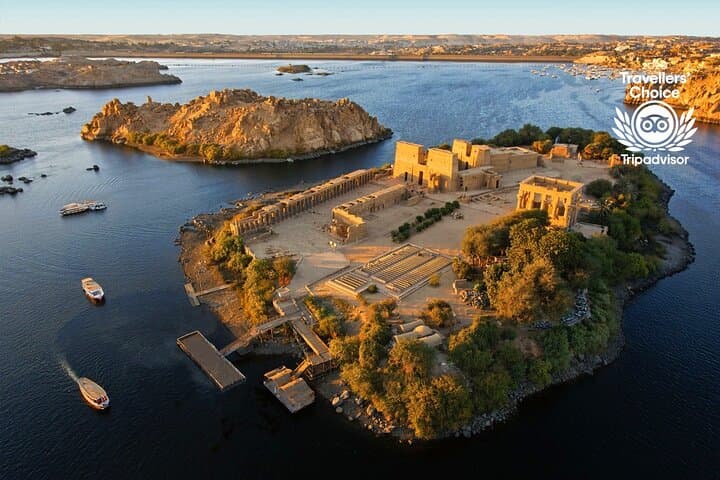
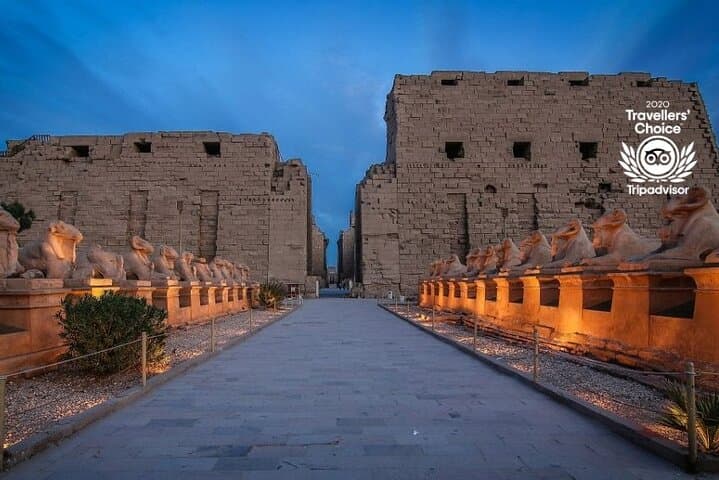
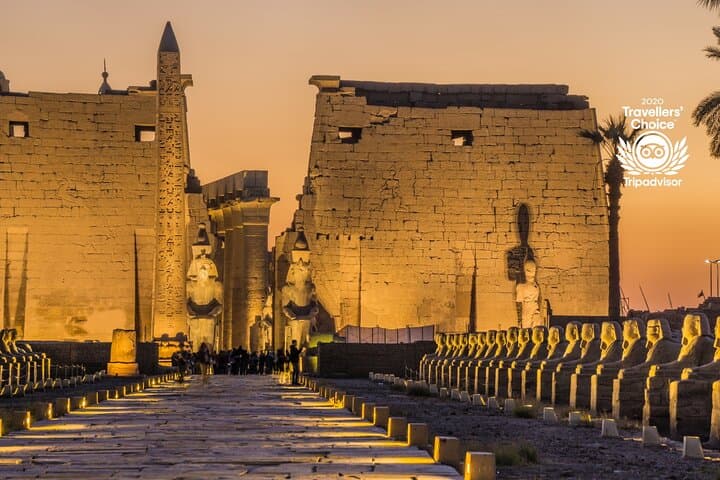
This short cruise stitches together Egypt’s layered past: Philae’s relocated temples, the granite scars of Aswan’s quarries, Kom Ombo’s dual sanctuaries, Edfu’s Ptolemaic precision, and Luxor’s avenue of columns where pharaohs recorded their names. Geology is visible—Nile silt plains give way to sandstone cliffs and limestone ridges that guard the west bank necropolis. The culture you encounter is practical and hospitable: Nubian villages, market sellers, and guides who translate hieroglyphs into sharp narratives.
Practically, expect three nights on a mid-to-high-end cruise with guided shore excursions each day. Walks through temple complexes include uneven stone, occasional steep ramps, and limited shade. Optional Abu Simbel is a long road detour best taken on clear mornings. Carry water, sun protection, and modest clothing for sites. Plan for early starts to avoid heat and crowds; many tombs require extra entrance fees on site. Guides manage logistics and local permits, but personal documents and small bills for tips and incidental purchases are indispensable.
The rhythm is deliberate: eat, disembark, explore, return to the slow push of the Nile—an old river with a purposeful pull that keeps moving you forward.
easy.
4 days.
Suitable for travelers in average fitness; shore excursions involve walking on uneven ground, stairs and short hikes.
Abu Simbel is optional and typically offered as a long-day add-on; it requires a separate arrangement and can include additional entrance fees and transport charges.
Some sites’ standard entrance fees are included, but certain tombs (for example Tutankhamun's) and optional sites may require extra tickets paid on arrival.
Modest attire is recommended—cover shoulders and knees out of respect; lightweight fabrics are best for Egypt’s heat.
Yes—travelers must carry a valid passport and any required Egyptian visa; copies of documents are helpful during excursions and transfers.
Several temples along this route (notably Philae and Abu Simbel) were dismantled and reassembled during the 20th-century Nile relocations to save them from reservoir floods caused by the Aswan High Dam.
Preserve fragile sites by staying on marked paths, avoiding touching carvings, and using local guides who follow current conservation rules; water pollution and site wear are ongoing regional concerns.
Journey To Egypt operates guided outdoor trips and adventures with an emphasis on safety, stewardship, and memorable experiences.
Morning light breaks across the Nile and the boat answers with a low, steady hum as you step aboard in Aswan. The river pulls you inland—warm air, gulls, and the slow, deliberate current that has carved life into this arid landscape for millennia. On deck, palm shadows slide past while feluccas nod like small ships against the wide water.
Morning light breaks across the Nile and the boat answers with a low, steady hum as you step aboard in Aswan. The river pulls you inland—warm air, gulls, and the slow, deliberate current that has carved life into this arid landscape for millennia. On deck, palm shadows slide past while feluccas nod like small ships against the wide water.
This short cruise stitches together Egypt’s layered past: Philae’s relocated temples, the granite scars of Aswan’s quarries, Kom Ombo’s dual sanctuaries, Edfu’s Ptolemaic precision, and Luxor’s avenue of columns where pharaohs recorded their names. Geology is visible—Nile silt plains give way to sandstone cliffs and limestone ridges that guard the west bank necropolis. The culture you encounter is practical and hospitable: Nubian villages, market sellers, and guides who translate hieroglyphs into sharp narratives.
Practically, expect three nights on a mid-to-high-end cruise with guided shore excursions each day. Walks through temple complexes include uneven stone, occasional steep ramps, and limited shade. Optional Abu Simbel is a long road detour best taken on clear mornings. Carry water, sun protection, and modest clothing for sites. Plan for early starts to avoid heat and crowds; many tombs require extra entrance fees on site. Guides manage logistics and local permits, but personal documents and small bills for tips and incidental purchases are indispensable.
The rhythm is deliberate: eat, disembark, explore, return to the slow push of the Nile—an old river with a purposeful pull that keeps moving you forward.