THE ADVENTURE COLLECTIVE® · Independent discovery and booking for outdoor travel

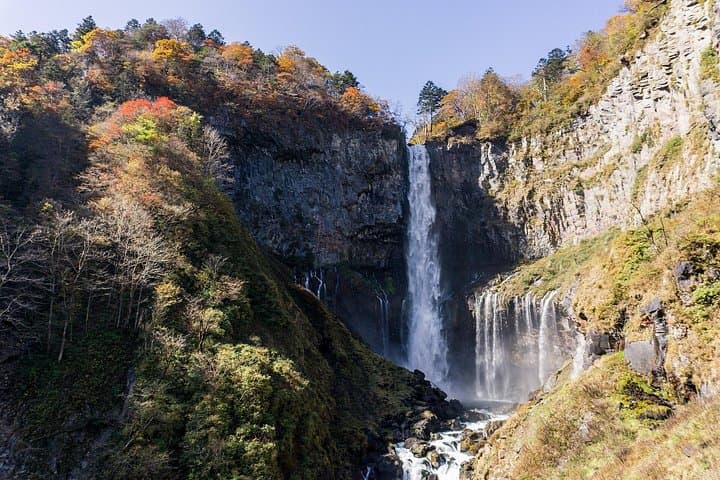
Spend a day with a private English-speaking driver moving through Nikko’s carved shrines, spectral bridges and volcanic lake scenery. This 10-hour tour covers Toshogu, Shinkyo Bridge, Kegon Falls and Lake Chūzenji with photo stops and local insights.
Spend a day with a private English-speaking driver moving through Nikko’s carved shrines, spectral bridges and volcanic lake scenery. This 10-hour tour covers Toshogu, Shinkyo Bridge, Kegon Falls and Lake Chūzenji with photo stops and local insights.
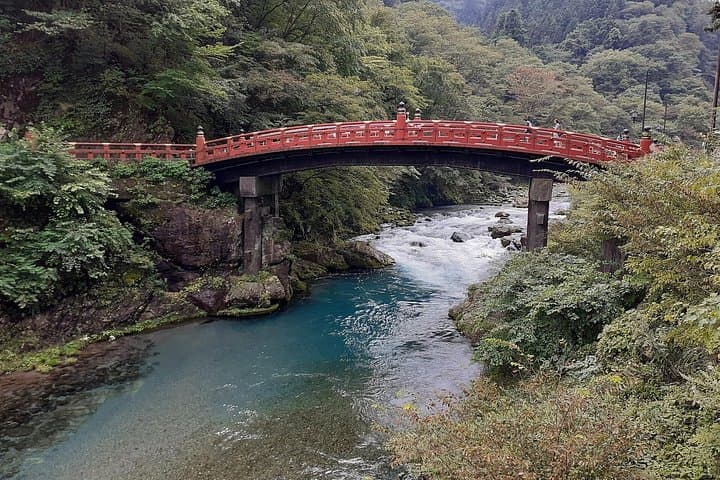
You step out of the vehicle onto a gravel approach and the air changes—cool mountain breath and the distant roar of water. The vermilion arc of Shinkyo Bridge frames the Daiya River, and beyond it the carved roofs of Toshogu rise among cedars so old they seem to remember samurai footsteps.
Verified experiences and guided adventures in the surrounding area.
Operated by Sluzeb Tours · Nikko, Tochigi Prefecture
You step out of the vehicle onto a gravel approach and the air changes—cool mountain breath and the distant roar of water. The vermilion arc of Shinkyo Bridge frames the Daiya River, and beyond it the carved roofs of Toshogu rise among cedars so old they seem to remember samurai footsteps.
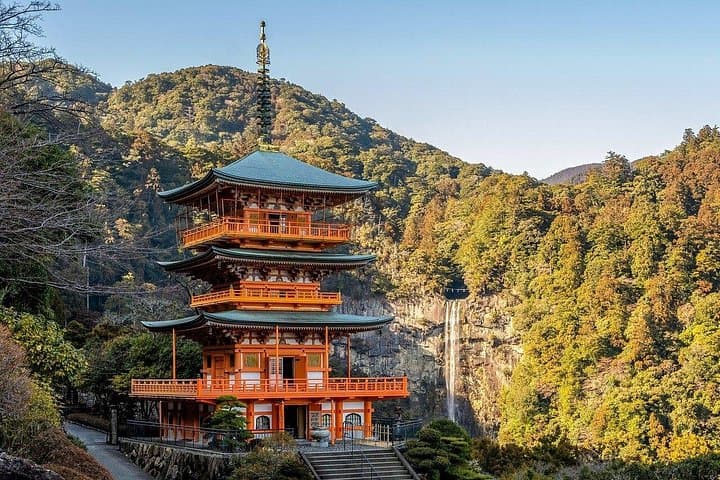
Nikkō sits at the northern edge of the Kantō plain where volcanic activity around Mount Nantai shaped lakes and rivers; Lake Chūzenji was born when lava dammed a valley. Toshogu, the ornate mausoleum of Tokugawa Ieyasu, dates to the early 17th century and reflects the political and artistic power of the Tokugawa shogunate. Imperial villas and Shintō shrines stitch together religion, court life and mountain reverence here.
A private day tour compresses that sweep into ten hours—shrine complexes, a sacred bridge, imperial architecture, an observation deck with falls and a lake. Expect short walks between viewpoints, stair climbs at Toshogu, and photo stops where a bilingual driver will help capture the frame.
Practical note: start early to avoid crowds at the shrine and to catch softer light at Akechidaira. Bring layered clothing—mountain weather shifts—and a compact umbrella; trails and observation decks can be slippery after rain. Purchase shrine admission in cash or card, and respect on-site etiquette: quiet voices, removed hats in shrine precincts, and no drone flying. The tour is wheelchair- and stroller-friendly in many areas but check specifics for historic buildings. Hydration, comfortable shoes with grip, and a charged phone will make the day efficient and memorable.
easy.
10 hours (approx).
Light activity; be comfortable walking 15–30 minutes between stops and climbing stairs at shrine sites
No; admissions are typically paid on-site—your driver can advise and wait while you purchase tickets.
Yes; as a private tour the route can be adjusted for traffic, crowds or personal interests, though extra stops may incur fees.
Many areas are stroller-accessible and infant seats are available, but historic buildings may have steps—check ahead for detailed access needs.
The bilingual driver provides local insights and photo assistance; a dedicated guide can be arranged at extra cost for deeper historical interpretation.
Toshogu was completed in the early 1600s and became a political and religious center under the Tokugawa shogunate; Nikko later hosted imperial retreats, blending court architecture with mountain shrine culture.
Nikkō National Park manages trails and viewing platforms to limit erosion and protect cedar groves; visitors are asked to stay on paths and pack out trash.
Sluzeb Tours operates guided outdoor trips and adventures with an emphasis on safety, stewardship, and memorable experiences.
You step out of the vehicle onto a gravel approach and the air changes—cool mountain breath and the distant roar of water. The vermilion arc of Shinkyo Bridge frames the Daiya River, and beyond it the carved roofs of Toshogu rise among cedars so old they seem to remember samurai footsteps.
You step out of the vehicle onto a gravel approach and the air changes—cool mountain breath and the distant roar of water. The vermilion arc of Shinkyo Bridge frames the Daiya River, and beyond it the carved roofs of Toshogu rise among cedars so old they seem to remember samurai footsteps.
Nikkō sits at the northern edge of the Kantō plain where volcanic activity around Mount Nantai shaped lakes and rivers; Lake Chūzenji was born when lava dammed a valley. Toshogu, the ornate mausoleum of Tokugawa Ieyasu, dates to the early 17th century and reflects the political and artistic power of the Tokugawa shogunate. Imperial villas and Shintō shrines stitch together religion, court life and mountain reverence here.
A private day tour compresses that sweep into ten hours—shrine complexes, a sacred bridge, imperial architecture, an observation deck with falls and a lake. Expect short walks between viewpoints, stair climbs at Toshogu, and photo stops where a bilingual driver will help capture the frame.
Practical note: start early to avoid crowds at the shrine and to catch softer light at Akechidaira. Bring layered clothing—mountain weather shifts—and a compact umbrella; trails and observation decks can be slippery after rain. Purchase shrine admission in cash or card, and respect on-site etiquette: quiet voices, removed hats in shrine precincts, and no drone flying. The tour is wheelchair- and stroller-friendly in many areas but check specifics for historic buildings. Hydration, comfortable shoes with grip, and a charged phone will make the day efficient and memorable.