THE ADVENTURE COLLECTIVE® · Independent discovery and booking for outdoor travel

Ride and walk through more than 300 years of New Orleans with Michaela, a seventh-generation local. This private four-hour driving and walking tour stitches together the French Quarter, Marigny, Garden District and hidden corners with expert storytelling and local stops.
Ride and walk through more than 300 years of New Orleans with Michaela, a seventh-generation local. This private four-hour driving and walking tour stitches together the French Quarter, Marigny, Garden District and hidden corners with expert storytelling and local stops.
The morning air smells faintly of coffee and magnolia; you can hear the streetcar’s steel wheels in the distance as the car eases away from a quiet block of Saint Charles Avenue. Michaela, a seventh-generation Orleanian, opens the door and the city’s layered history begins to unfold—French foundations, Spanish rebuilding, Creole households and American commerce—all read from the streets, courtyards and cemeteries she knows like a family album.
Verified experiences and guided adventures in the surrounding area.
Operated by Michaelas Private New Orleans Tours · New Orleans, Louisiana
The morning air smells faintly of coffee and magnolia; you can hear the streetcar’s steel wheels in the distance as the car eases away from a quiet block of Saint Charles Avenue. Michaela, a seventh-generation Orleanian, opens the door and the city’s layered history begins to unfold—French foundations, Spanish rebuilding, Creole households and American commerce—all read from the streets, courtyards and cemeteries she knows like a family album.
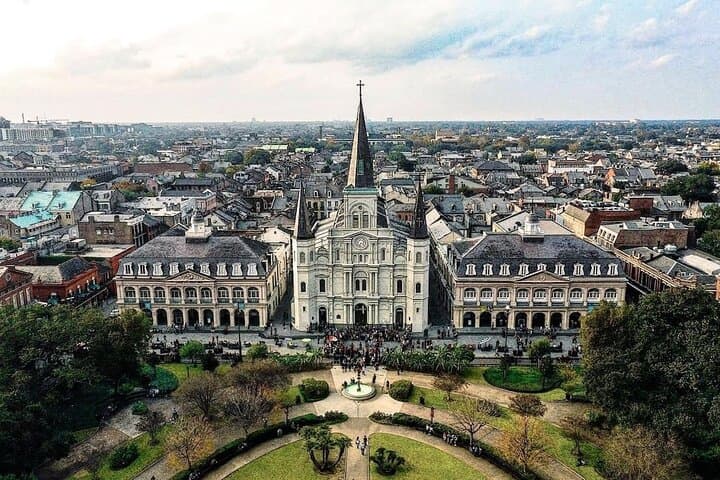
The tour moves at an easy, deliberate pace: part comfortable driving between neighborhoods, part short walks where the stories matter most. In the French Quarter you’ll lean out and inspect cast-iron balconies and painted Creole cottages while Michaela points out how portage, trade and hurricane recovery shaped the Vieux Carré. In the Marigny and Bywater the guide traces the evolution of the shotgun house and the music culture that gave New Orleans its global voice. Uptown and the Garden District offer a different chapter—grand oaks draped in Spanish moss and antebellum mansions that survived reconstruction and modern redevelopment.
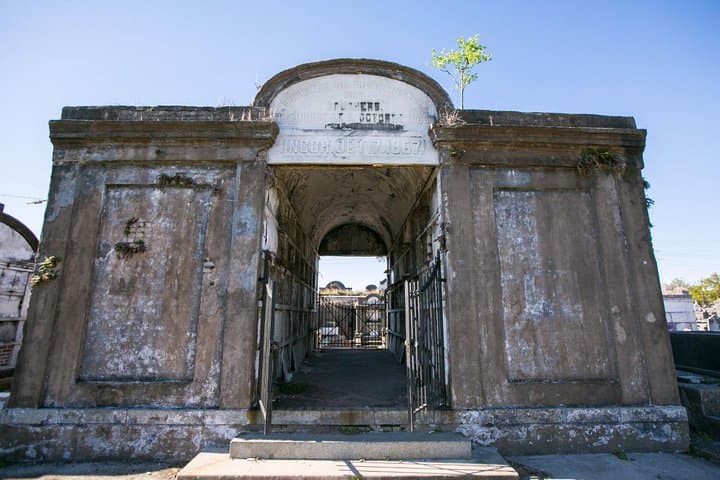
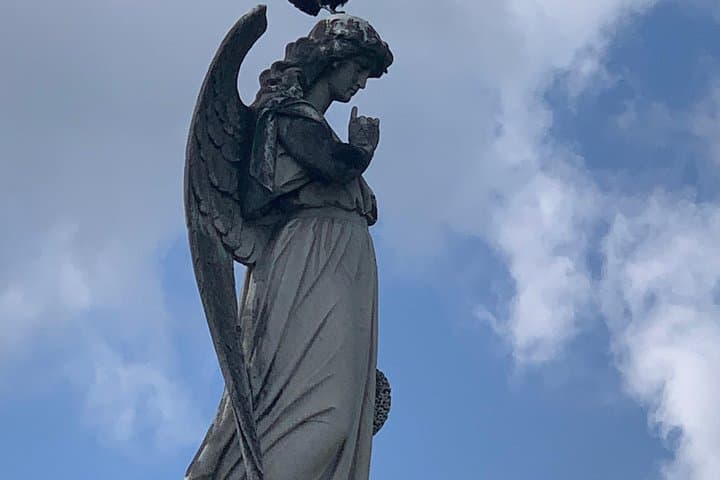
There’s also the city’s relationship with water: built on a delta plain and shaped by marshes, levees and the Mississippi’s changing moods. Cemetery gates and above-ground tombs tell a practical story about ground water and cultural practices; Lafayette Cemetery No. 1 becomes a classroom on architecture, burial customs and the resilience that defines the city.
Beyond architecture and geology, this is a cultural immersion. Michaela weaves in Creole and Cajun influences, the role of jazz in neighborhood identity, and the grassroots recovery work after storms. Local businesses—coffee shops, praline makers, independent art galleries—are threaded into the route so the tour supports the people who keep New Orleans alive.
Practicalities are straightforward: the private experience runs four hours with door-to-door pickup across New Orleans area hotels. Expect 1–2 miles of walking total on flat, paved streets and cemetery paths—elevation gain negligible but surfaces can be uneven. Dress for weather (the city’s humidity rises fast in summer), bring a refillable water bottle and comfortable shoes for short strolls.
This tour is built to be tailored: ask for more time in any neighborhood—music, food, architecture—or add a focused cemetery visit. For photographers, early morning or late afternoon light is ideal. For accessibility, the provider notes wheelchair-friendly options for much of the route and a compact vehicle for small groups. In four hours, through personal stories and historical detail, the city’s many layers become navigable, immediate and, importantly, human.
easy.
4 hours.
Moderate — brief periods of walking and standing; suitable for travelers who can walk 1–2 miles on flat terrain.
The private tour is four hours and includes luxury transportation, a licensed local guide, hotel pickup and drop-off, driving through neighborhoods, and short guided walks at key stops.
Much of the driving route and the transportation are wheelchair accessible; let the operator know your needs when booking so they can arrange suitable pickup and vehicle options.
Yes—the tour is tailored to your interests; request more time in specific neighborhoods, focus on food, music or architecture, or include additional stops at booking.
For a full refund cancel at least 24 hours before departure; cancellations within 24 hours are not refundable per the standard policy.
Yes—infants and small children can ride in a stroller; the maximum group size is six people, so confirm if you need child seats or special arrangements.
Tipping is customary for personalized tours—10–20% of the tour cost is a common guideline depending on your satisfaction.
New Orleans was founded in 1718; its architecture and neighborhoods reflect French, Spanish and Creole layers shaped by port trade and periodic rebuilding after storms.
The city’s cultural landscape is fragile—support local businesses, stick to public paths in historic districts, and be mindful of flood resilience efforts that prioritize sustainable rebuilding.
Michaelas Private New Orleans Tours operates guided outdoor trips and adventures with an emphasis on safety, stewardship, and memorable experiences.

The morning air smells faintly of coffee and magnolia; you can hear the streetcar’s steel wheels in the distance as the car eases away from a quiet block of Saint Charles Avenue. Michaela, a seventh-generation Orleanian, opens the door and the city’s layered history begins to unfold—French foundations, Spanish rebuilding, Creole households and American commerce—all read from the streets, courtyards and cemeteries she knows like a family album.
The morning air smells faintly of coffee and magnolia; you can hear the streetcar’s steel wheels in the distance as the car eases away from a quiet block of Saint Charles Avenue. Michaela, a seventh-generation Orleanian, opens the door and the city’s layered history begins to unfold—French foundations, Spanish rebuilding, Creole households and American commerce—all read from the streets, courtyards and cemeteries she knows like a family album.
The tour moves at an easy, deliberate pace: part comfortable driving between neighborhoods, part short walks where the stories matter most. In the French Quarter you’ll lean out and inspect cast-iron balconies and painted Creole cottages while Michaela points out how portage, trade and hurricane recovery shaped the Vieux Carré. In the Marigny and Bywater the guide traces the evolution of the shotgun house and the music culture that gave New Orleans its global voice. Uptown and the Garden District offer a different chapter—grand oaks draped in Spanish moss and antebellum mansions that survived reconstruction and modern redevelopment.
There’s also the city’s relationship with water: built on a delta plain and shaped by marshes, levees and the Mississippi’s changing moods. Cemetery gates and above-ground tombs tell a practical story about ground water and cultural practices; Lafayette Cemetery No. 1 becomes a classroom on architecture, burial customs and the resilience that defines the city.
Beyond architecture and geology, this is a cultural immersion. Michaela weaves in Creole and Cajun influences, the role of jazz in neighborhood identity, and the grassroots recovery work after storms. Local businesses—coffee shops, praline makers, independent art galleries—are threaded into the route so the tour supports the people who keep New Orleans alive.
Practicalities are straightforward: the private experience runs four hours with door-to-door pickup across New Orleans area hotels. Expect 1–2 miles of walking total on flat, paved streets and cemetery paths—elevation gain negligible but surfaces can be uneven. Dress for weather (the city’s humidity rises fast in summer), bring a refillable water bottle and comfortable shoes for short strolls.
This tour is built to be tailored: ask for more time in any neighborhood—music, food, architecture—or add a focused cemetery visit. For photographers, early morning or late afternoon light is ideal. For accessibility, the provider notes wheelchair-friendly options for much of the route and a compact vehicle for small groups. In four hours, through personal stories and historical detail, the city’s many layers become navigable, immediate and, importantly, human.