THE ADVENTURE COLLECTIVE® · Independent discovery and booking for outdoor travel

Walk the streets that created Creole cuisine on a private, three-hour tasting tour through the French Quarter. Sample gumbo, muffuletta, pralines and boudin beignets while a local guide parses the history behind each bite.
Walk the streets that created Creole cuisine on a private, three-hour tasting tour through the French Quarter. Sample gumbo, muffuletta, pralines and boudin beignets while a local guide parses the history behind each bite.
The first step off the curb feels like stepping into a living postcard: cobblestones warm from the sun, a brass band folding sound into the alleyways, and the Mississippi’s breath pulling hot air down toward the river. Your guide—part historian, part gastronome—leads you past iron-lace balconies while the scent of dark roux and frying dough threads through the streets. This is the French Quarter at meal-time: loud, slow, and insistently delicious.
Verified experiences and guided adventures in the surrounding area.
Operated by Destination Kitchen · New Orleans, Louisiana
The first step off the curb feels like stepping into a living postcard: cobblestones warm from the sun, a brass band folding sound into the alleyways, and the Mississippi’s breath pulling hot air down toward the river. Your guide—part historian, part gastronome—leads you past iron-lace balconies while the scent of dark roux and frying dough threads through the streets. This is the French Quarter at meal-time: loud, slow, and insistently delicious.
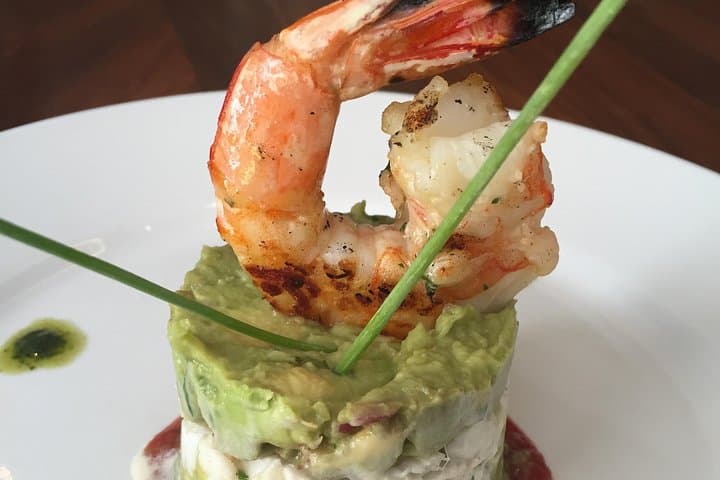
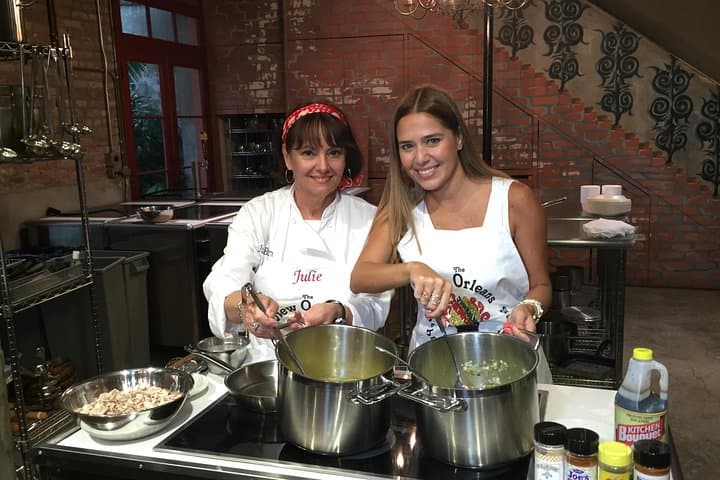
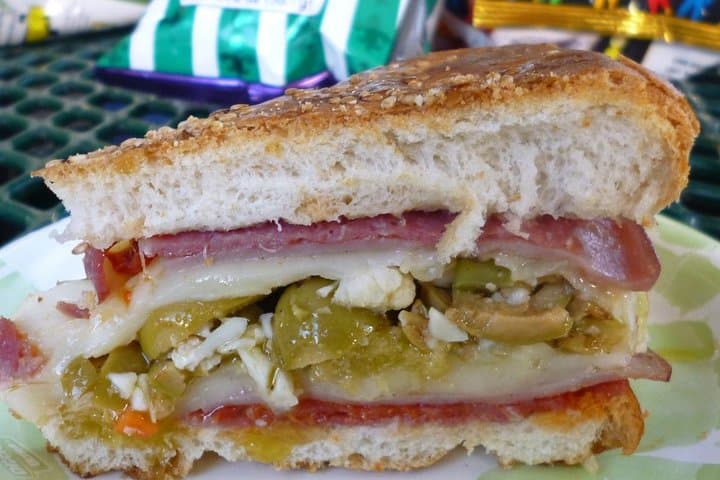
The Quarter grew where the river leveled out, layers of silt and salt shaping the city’s fate and cuisine. Spanish city plans and French kitchens overlapped here for centuries; Creole recipes rose from that collision—West African spices, French technique, and Gulf seafood. On this three-hour private walk, you’ll taste gumbo at a storied Brennan family table, sample muffuletta piled with olive salad, and chase pralines with boudin beignets—each bite carrying an origin story of enslaved cooks, immigrant bakers, and pre-Civil War Creole houses that still serve recipes passed down through the generations.
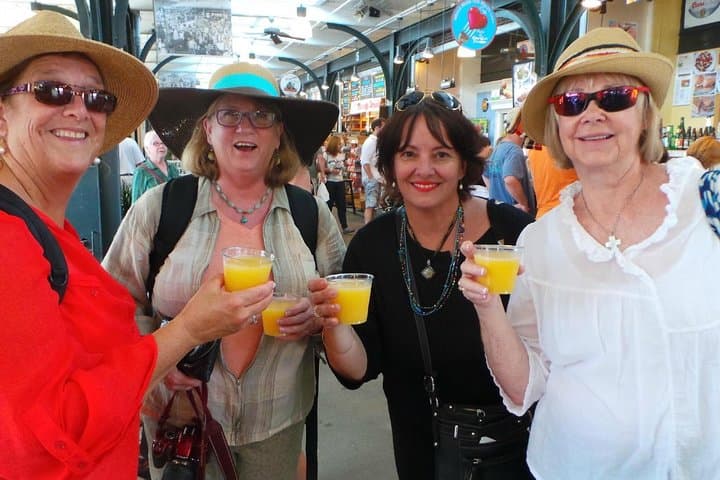
Beyond food, the tour is a primer on place: the cathedral’s stucco faces, the old market where produce once moved by mule and now sells spice blends and po-boys, and the riverfront that taught the city how to survive—and to celebrate. The guide points out kitchen windows seen on TV and suggests where to return for a full meal. If you’re curious about cocktail lore, ask about the Pimms Cup—the local twist on an English import—and be prepared to purchase it along the route.
Practicalities are straightforward. The walk covers roughly 1.5–2 miles on flat, uneven pavement with frequent stops; allow three hours and a hearty appetite. Meet inside next to the front desk at Roux Royal and confirm your reservation 48 hours ahead. Tastings are set-menu—substitutions aren’t guaranteed—so disclose true allergies in advance. Comfortable shoes, a reusable water bottle, and a light sun layer make the three hours comfortable, and aim for late afternoon if you want cooler air and softer light for photos.
This tour is private and adjustable: steer it toward Creole classics, seafood-heavy picks, or bakery stops. It’s a concentrated, local-led way to learn why New Orleans eats the way it does—part geography, part history, and all appetite. Leave with restaurant names, recipe lore, and a new shortlist of places you’ll return to the next time the river calls you back.
easy.
3 hours.
Suitable for most fitness levels; expect casual walking for three hours over flat but uneven pavement
Tastings of food are included in the price; alcoholic beverages like cocktails are usually available for purchase during the tour.
Minors may attend with a parent or guardian present, but parents must not leave minors unattended—menu items may include pork or strong flavors.
This tour follows set tastings and cannot always substitute items—advise the operator about true allergies when booking to confirm safety.
Expect about 1.5–2 miles of walking over three hours on flat but uneven streets with frequent stops for tastings.
Meet your guide inside next to the front desk at Roux Royal hotel—confirm exact meeting details 48 hours before the tour.
Guide gratuities are not included and are appreciated; note some French-speaking tours may include gratuities—confirm at booking.
The French Quarter (Vieux Carré) reflects French and Spanish colonial plans and Creole culinary evolution—many recipes trace to 18th- and 19th-century Creole households and markets.
Choose restaurants that source Gulf seafood responsibly and carry out trash properly; supporting small, local kitchens helps sustain culinary heritage and reduce waste.
Destination Kitchen operates guided outdoor trips and adventures with an emphasis on safety, stewardship, and memorable experiences.
The first step off the curb feels like stepping into a living postcard: cobblestones warm from the sun, a brass band folding sound into the alleyways, and the Mississippi’s breath pulling hot air down toward the river. Your guide—part historian, part gastronome—leads you past iron-lace balconies while the scent of dark roux and frying dough threads through the streets. This is the French Quarter at meal-time: loud, slow, and insistently delicious.
The first step off the curb feels like stepping into a living postcard: cobblestones warm from the sun, a brass band folding sound into the alleyways, and the Mississippi’s breath pulling hot air down toward the river. Your guide—part historian, part gastronome—leads you past iron-lace balconies while the scent of dark roux and frying dough threads through the streets. This is the French Quarter at meal-time: loud, slow, and insistently delicious.
The Quarter grew where the river leveled out, layers of silt and salt shaping the city’s fate and cuisine. Spanish city plans and French kitchens overlapped here for centuries; Creole recipes rose from that collision—West African spices, French technique, and Gulf seafood. On this three-hour private walk, you’ll taste gumbo at a storied Brennan family table, sample muffuletta piled with olive salad, and chase pralines with boudin beignets—each bite carrying an origin story of enslaved cooks, immigrant bakers, and pre-Civil War Creole houses that still serve recipes passed down through the generations.
Beyond food, the tour is a primer on place: the cathedral’s stucco faces, the old market where produce once moved by mule and now sells spice blends and po-boys, and the riverfront that taught the city how to survive—and to celebrate. The guide points out kitchen windows seen on TV and suggests where to return for a full meal. If you’re curious about cocktail lore, ask about the Pimms Cup—the local twist on an English import—and be prepared to purchase it along the route.
Practicalities are straightforward. The walk covers roughly 1.5–2 miles on flat, uneven pavement with frequent stops; allow three hours and a hearty appetite. Meet inside next to the front desk at Roux Royal and confirm your reservation 48 hours ahead. Tastings are set-menu—substitutions aren’t guaranteed—so disclose true allergies in advance. Comfortable shoes, a reusable water bottle, and a light sun layer make the three hours comfortable, and aim for late afternoon if you want cooler air and softer light for photos.
This tour is private and adjustable: steer it toward Creole classics, seafood-heavy picks, or bakery stops. It’s a concentrated, local-led way to learn why New Orleans eats the way it does—part geography, part history, and all appetite. Leave with restaurant names, recipe lore, and a new shortlist of places you’ll return to the next time the river calls you back.