THE ADVENTURE COLLECTIVE® · Independent discovery and booking for outdoor travel

A private, small-group day trip from Munich (or Garmisch/Füssen) delivers the iconic Neuschwanstein experience with skip-the-line access, a guided inside tour, and scenic stops like Marienbrücke. Expect a full-day outing of walking, photos, and Bavarian storytelling.
A private, small-group day trip from Munich (or Garmisch/Füssen) delivers the iconic Neuschwanstein experience with skip-the-line access, a guided inside tour, and scenic stops like Marienbrücke. Expect a full-day outing of walking, photos, and Bavarian storytelling.
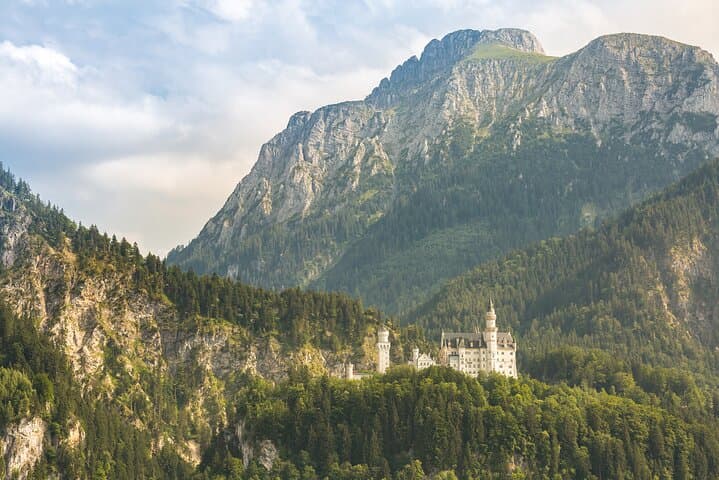
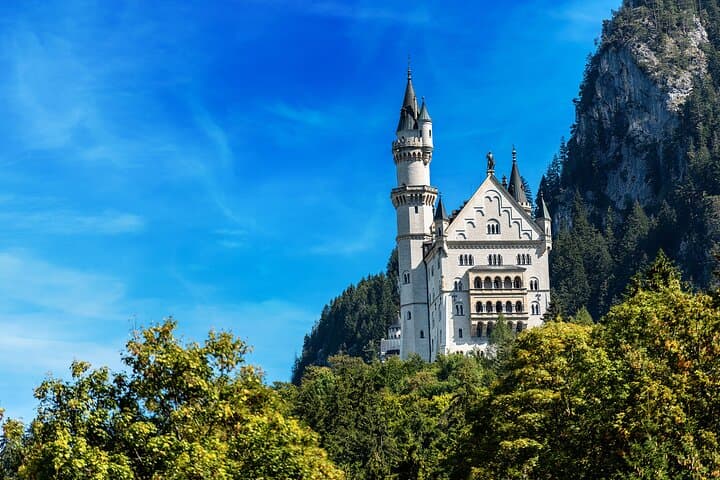
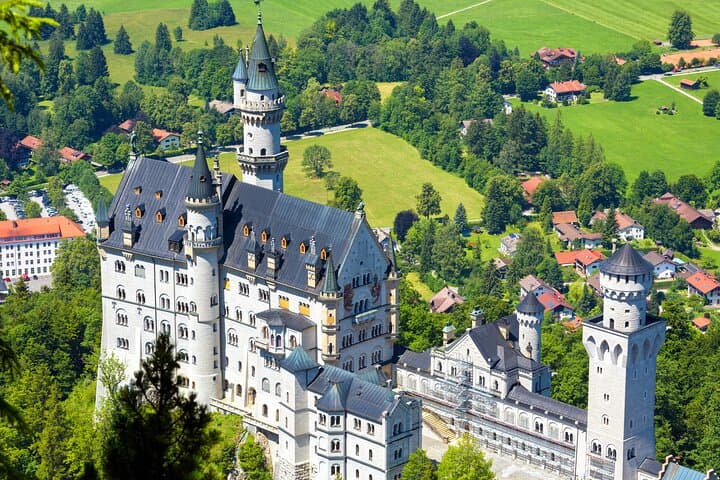
You round a corner and the castle appears—white towers set against a bruised-Alpine skyline, the Pöllat Gorge cutting like a dark seam below. The minivan lets you out near the village; a shuttle or short climb takes you up through spruce and beech, where the air sharpens and the view opens on Neuschwanstein’s turrets and the glassy Alpsee.
Verified experiences and guided adventures in the surrounding area.
Operated by Sepp, The Bavarian Guide · Hohenschwangau, Bavaria
You round a corner and the castle appears—white towers set against a bruised-Alpine skyline, the Pöllat Gorge cutting like a dark seam below. The minivan lets you out near the village; a shuttle or short climb takes you up through spruce and beech, where the air sharpens and the view opens on Neuschwanstein’s turrets and the glassy Alpsee.
Built by King Ludwig II beginning in 1869, Neuschwanstein is a 19th-century Romantic reimagining of medieval castles—an expression of one man’s theatrical ideal more than a defensive stronghold. Geologically the castle perches on a limestone spur above the Pöllat Gorge, with the Bavarian Alps folding behind it; the valley and lakes below were carved by ice and meltwater in the last glaciation.
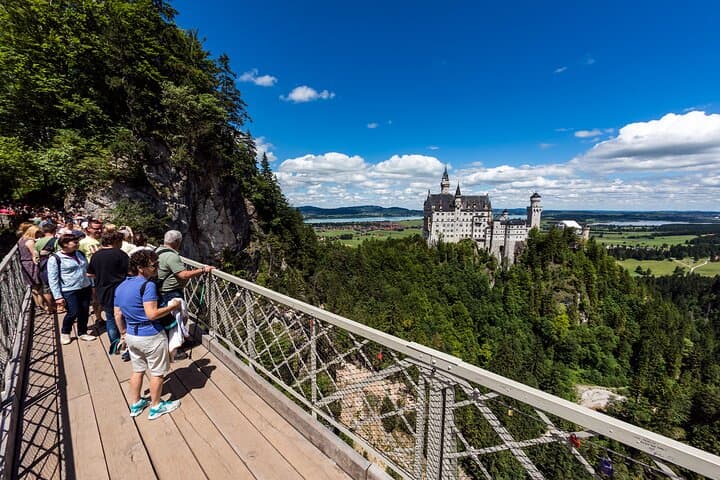
Local culture still orbits Ludwig’s legacy: guidebooks, cafés, and the occasional brass band in Füssen recall Bavarian tradition. Marienbrücke (Queen Mary’s Bridge) offers the classic photographic angle, suspended over the gorge and daring you to step close for the panorama.
Practical guidance: plan a full day—this tour runs about 6–7 hours including transport from Munich/Garmisch/Füssen. Expect hill walking, stairs, and crowded viewpoints; wear sturdy shoes and layers, carry water, and bring a charged camera. The inside guided tour lasts ~45 minutes and is timed—keep your tour voucher accessible on your phone. Early departures shave off crowds; alternatively, the horse-drawn carriage provides a gentler descent. Accessibility varies: the castle interior has limited wheelchair access, but shuttles and paths can assist those with mobility constraints. Enjoy the scenery, respect the trails, and allow time after the tour for the lakeshore or a quiet coffee in Hohenschwangau village.
moderate.
6–7 hours.
Moderate fitness with ability to walk uphill, manage stairs, and stand during a guided tour
The tour includes timed entry and a pre-booked slot for the 45-minute interior guided tour; this minimizes waiting compared with general admission but may still involve short queues at security and shuttle boarding.
Pickup is offered from central Munich, Garmisch-Partenkirchen, or Füssen—your booking will request a pickup point; confirm your hotel or meeting location in advance.
Accessibility inside Neuschwanstein is limited: original rooms are reached via stairs and narrow passages; however, shuttles and some paths near the site can accommodate limited mobility—contact the operator to discuss arrangements.
Light Bavarian snacks (sandwiches, pretzels) and beverages are listed as inclusions; full meals are not typically provided, so plan for additional food if needed.
Neuschwanstein was commissioned by King Ludwig II starting in 1869 as a private retreat and homage to medieval ideals and Wagnerian legend, completed after his death in a Romantic historicist style.
Heavy visitation affects trails and fragile vegetation around the gorge—stick to marked paths, use shuttles when offered, and support local conservation efforts by minimizing waste.
Sepp, The Bavarian Guide operates guided outdoor trips and adventures with an emphasis on safety, stewardship, and memorable experiences.
You round a corner and the castle appears—white towers set against a bruised-Alpine skyline, the Pöllat Gorge cutting like a dark seam below. The minivan lets you out near the village; a shuttle or short climb takes you up through spruce and beech, where the air sharpens and the view opens on Neuschwanstein’s turrets and the glassy Alpsee.
You round a corner and the castle appears—white towers set against a bruised-Alpine skyline, the Pöllat Gorge cutting like a dark seam below. The minivan lets you out near the village; a shuttle or short climb takes you up through spruce and beech, where the air sharpens and the view opens on Neuschwanstein’s turrets and the glassy Alpsee.
Built by King Ludwig II beginning in 1869, Neuschwanstein is a 19th-century Romantic reimagining of medieval castles—an expression of one man’s theatrical ideal more than a defensive stronghold. Geologically the castle perches on a limestone spur above the Pöllat Gorge, with the Bavarian Alps folding behind it; the valley and lakes below were carved by ice and meltwater in the last glaciation.
Local culture still orbits Ludwig’s legacy: guidebooks, cafés, and the occasional brass band in Füssen recall Bavarian tradition. Marienbrücke (Queen Mary’s Bridge) offers the classic photographic angle, suspended over the gorge and daring you to step close for the panorama.
Practical guidance: plan a full day—this tour runs about 6–7 hours including transport from Munich/Garmisch/Füssen. Expect hill walking, stairs, and crowded viewpoints; wear sturdy shoes and layers, carry water, and bring a charged camera. The inside guided tour lasts ~45 minutes and is timed—keep your tour voucher accessible on your phone. Early departures shave off crowds; alternatively, the horse-drawn carriage provides a gentler descent. Accessibility varies: the castle interior has limited wheelchair access, but shuttles and paths can assist those with mobility constraints. Enjoy the scenery, respect the trails, and allow time after the tour for the lakeshore or a quiet coffee in Hohenschwangau village.