THE ADVENTURE COLLECTIVE® · Independent discovery and booking for outdoor travel

Spend a focused half-day at Natuwa Wildlife Sanctuary outside Puntarenas to see rescued jaguars, macaws, tapirs and monkeys while learning about local conservation efforts. This private, guided tour includes transport and bilingual commentary.
Spend a focused half-day at Natuwa Wildlife Sanctuary outside Puntarenas to see rescued jaguars, macaws, tapirs and monkeys while learning about local conservation efforts. This private, guided tour includes transport and bilingual commentary.
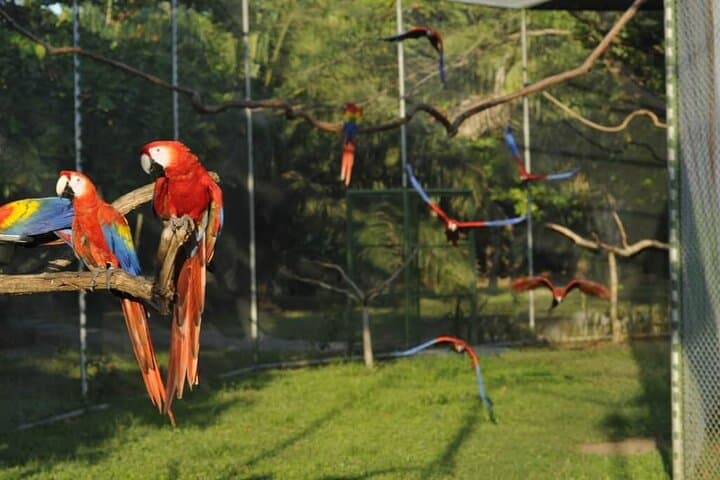
The day opens with coastal air and a low, urgent chorus of macaws; the minivan slips away from Puntarenas toward verdant river valleys and a rescue center where the forest feels like an active witness.
Verified experiences and guided adventures in the surrounding area.
Operated by Syl Travel Day Tours · Puntarenas, Puntarenas Province
The day opens with coastal air and a low, urgent chorus of macaws; the minivan slips away from Puntarenas toward verdant river valleys and a rescue center where the forest feels like an active witness.
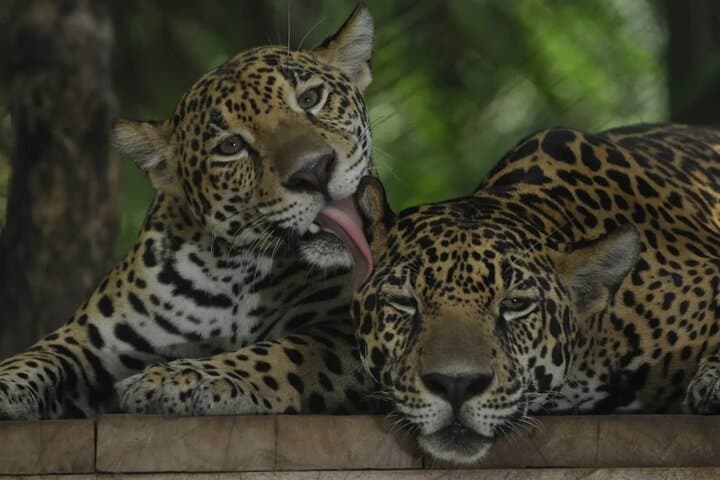
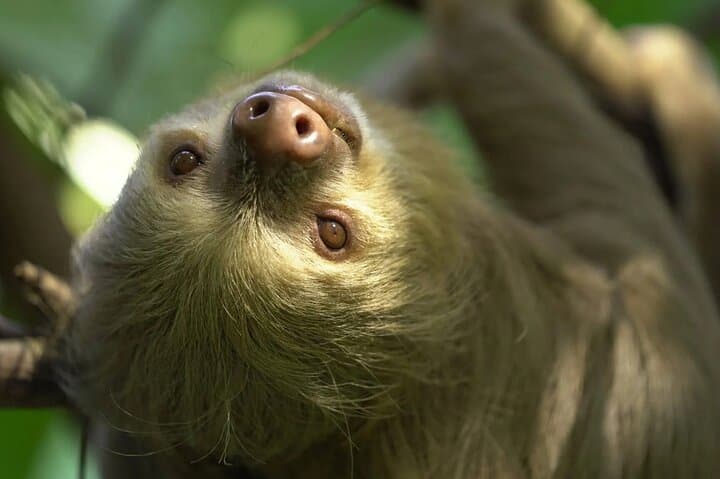
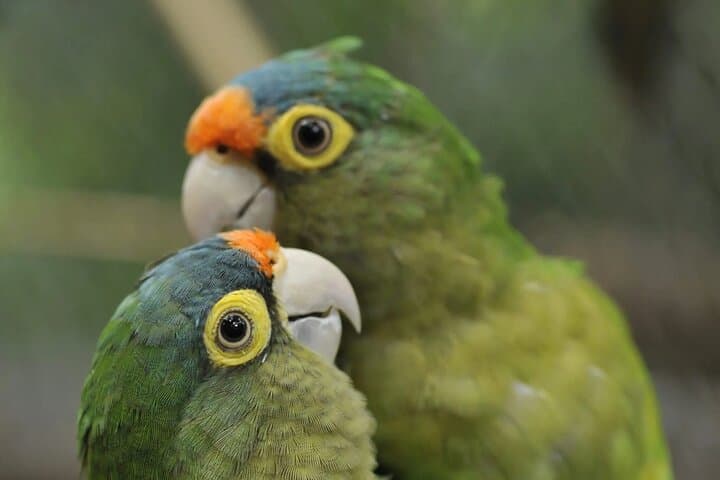
At Natuwa Wildlife Sanctuary guides lead visitors along shaded paths to enclosures and observation points. The facility focuses on animals rescued from deforestation, illegal trade and human-wildlife conflict — species commonly seen on the route include macaws, howler and capuchin monkeys, tapirs and rehabilitated jaguars in secure habitats. The landscape is lowland tropical: humid forest, riverine edges and agricultural clearings that reveal why rescue work matters here.
Regionally, Puntarenas province played a role in colonial trade and coastal fisheries; nearby Esparza preserves colonial-era architecture and a fish market that still expresses local life. Geologically the coastal plain gives way to low ridges and river channels that feed the Gulf of Nicoya, creating habitats for both marine and terrestrial species.
Practical guidance: plan for a 4–5 hour private tour with bilingual guides and included entrance fee. Arrive with sturdy, closed-toe shoes, insect repellent and a rain layer — tropical weather shifts quickly. Respect viewing rules: no feeding, no flash photography, and keep noise low so animals remain calm. If you’re coming from a cruise, allow buffer time for port transfers; the tour offers private pickup.
The visit is as much about stories as sightings: each enclosure holds a rescue history. Expect an educational, accessible half-day outing that connects wildlife observation with conservation context, ideal for travelers seeking a focused, low-impact nature experience.
easy.
4–5 hours.
Suitable for all fitness levels; involves short walking and standing during animal viewing.
Yes—private, air-conditioned transportation is included and pickup can be arranged from the cruise port or local hotels.
Yes—the tour price includes the sanctuary entrance fee and all local taxes as stated in the listing.
Families are welcome; the experience is suitable for all fitness levels but minors should be supervised around enclosures.
Sightings are possible but not guaranteed—large animals may be kept in areas designed primarily for rehabilitation and welfare rather than close viewing.
Esparza is one of Costa Rica’s older settlements with colonial-era roots; the sanctuary itself grew from local conservation responses to habitat loss and illegal wildlife trade.
Natuwa operates as a rehabilitation and education center; follow sanctuary rules to minimize stress on animals and support their recovery by avoiding interactions or feeding.
Syl Travel Day Tours operates guided outdoor trips and adventures with an emphasis on safety, stewardship, and memorable experiences.
The day opens with coastal air and a low, urgent chorus of macaws; the minivan slips away from Puntarenas toward verdant river valleys and a rescue center where the forest feels like an active witness.
The day opens with coastal air and a low, urgent chorus of macaws; the minivan slips away from Puntarenas toward verdant river valleys and a rescue center where the forest feels like an active witness.
At Natuwa Wildlife Sanctuary guides lead visitors along shaded paths to enclosures and observation points. The facility focuses on animals rescued from deforestation, illegal trade and human-wildlife conflict — species commonly seen on the route include macaws, howler and capuchin monkeys, tapirs and rehabilitated jaguars in secure habitats. The landscape is lowland tropical: humid forest, riverine edges and agricultural clearings that reveal why rescue work matters here.
Regionally, Puntarenas province played a role in colonial trade and coastal fisheries; nearby Esparza preserves colonial-era architecture and a fish market that still expresses local life. Geologically the coastal plain gives way to low ridges and river channels that feed the Gulf of Nicoya, creating habitats for both marine and terrestrial species.
Practical guidance: plan for a 4–5 hour private tour with bilingual guides and included entrance fee. Arrive with sturdy, closed-toe shoes, insect repellent and a rain layer — tropical weather shifts quickly. Respect viewing rules: no feeding, no flash photography, and keep noise low so animals remain calm. If you’re coming from a cruise, allow buffer time for port transfers; the tour offers private pickup.
The visit is as much about stories as sightings: each enclosure holds a rescue history. Expect an educational, accessible half-day outing that connects wildlife observation with conservation context, ideal for travelers seeking a focused, low-impact nature experience.