THE ADVENTURE COLLECTIVE® · Independent discovery and booking for outdoor travel

A private, guided pairing of London's National Gallery and the British Museum puts Western painting and global antiquities on a single, efficient itinerary. Ideal for travelers who want expert context, skip-the-line flow, and the option of private transfers.
A private, guided pairing of London's National Gallery and the British Museum puts Western painting and global antiquities on a single, efficient itinerary. Ideal for travelers who want expert context, skip-the-line flow, and the option of private transfers.
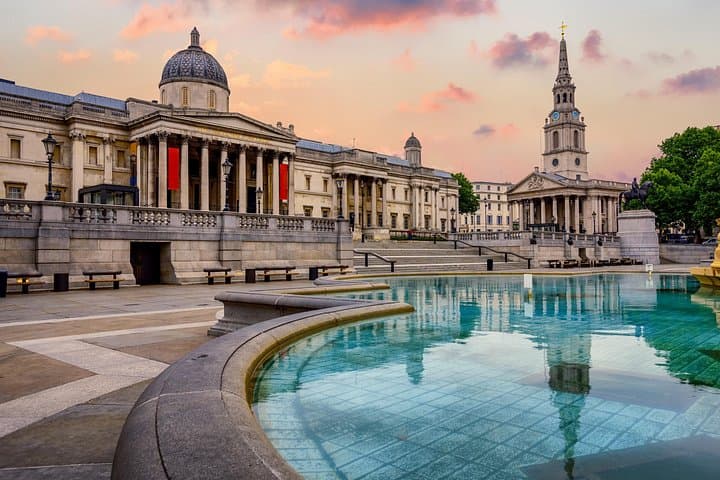
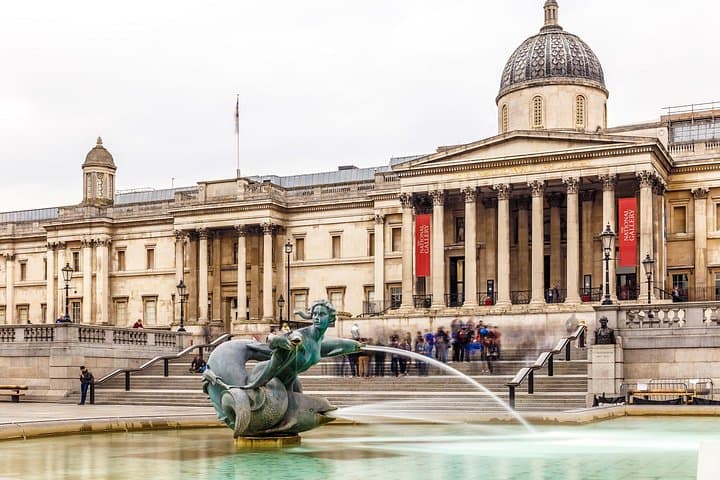
Step off Trafalgar Square into a cool hush: marble staircases, the low murmur of guides, and canvases that hold a city's attention. A private tour here moves with purpose—through the National Gallery’s sunlit rooms where Renaissance faces study you back, then across town to the British Museum’s stone corridors, where carved fragments of empires press their stories to the glass.
Verified experiences and guided adventures in the surrounding area.
Operated by UK Tours & Activites · London, England
Step off Trafalgar Square into a cool hush: marble staircases, the low murmur of guides, and canvases that hold a city's attention. A private tour here moves with purpose—through the National Gallery’s sunlit rooms where Renaissance faces study you back, then across town to the British Museum’s stone corridors, where carved fragments of empires press their stories to the glass.
The National Gallery, founded in 1824, houses Western European painting from the 13th–19th centuries; the British Museum, opened in 1753, collects human history from every continent. Geology and trade routes surface in the materials—Egyptian granites, Greek marble, Near Eastern bronzes—each object a waypoint in global networks. Guides connect brushstroke to biography and artifact to exchange, making style and provenance tangible.
Expect paced, seated explanations punctuated by standing stretches—classic museum pacing that favors curiosity over speed. Choose morning slots to avoid crowds; reserve extra time for temporary exhibitions at both institutions. If you add private transfers, anticipate central-London traffic during peak hours.
Practical guidance: wear comfortable shoes for up to five hours on tiled floors and stairs, carry a small daypack for water and a notebook, and check temporary-exhibition ticketing ahead (permanent collections are generally free). Photography rules vary—no flash in most galleries—so ask your guide. Accessibility is well-supported, but notify the operator if you need step-free access or an assistance vehicle. With a focused itinerary and an expert guide, this pairing turns two world-class institutions into a single, revealing day of art and history.
easy.
2–5.5 hours.
Suitable for most fitness levels; participants should be able to walk and stand intermittently for up to five hours.
Admission to the National Gallery's and British Museum's permanent collections is typically free; temporary exhibition tickets are not included and must be purchased separately when required.
Yes—both museums provide step-free access and the tour operator notes wheelchair-accessible options; inform them ahead to arrange suitable transfers or routing.
Photography policies vary by gallery and object—most areas permit non-flash photography for personal use, but ask your guide before photographing and respect signage.
Transfers are estimated at about 1.5 hours round trip in the 3.5- and 5.5-hour options, but actual time depends on your accommodation location and central-London traffic.
The National Gallery began as a public collection in 1824, while the British Museum opened in 1753 from Sir Hans Sloane’s private collection—both grew from private collections into national institutions.
Both institutions run active conservation labs and limit handling and flash photography to protect sensitive pigments and ancient materials; visitors can support preservation by following museum guidelines.
UK Tours & Activites operates guided outdoor trips and adventures with an emphasis on safety, stewardship, and memorable experiences.
Step off Trafalgar Square into a cool hush: marble staircases, the low murmur of guides, and canvases that hold a city's attention. A private tour here moves with purpose—through the National Gallery’s sunlit rooms where Renaissance faces study you back, then across town to the British Museum’s stone corridors, where carved fragments of empires press their stories to the glass.
Step off Trafalgar Square into a cool hush: marble staircases, the low murmur of guides, and canvases that hold a city's attention. A private tour here moves with purpose—through the National Gallery’s sunlit rooms where Renaissance faces study you back, then across town to the British Museum’s stone corridors, where carved fragments of empires press their stories to the glass.
The National Gallery, founded in 1824, houses Western European painting from the 13th–19th centuries; the British Museum, opened in 1753, collects human history from every continent. Geology and trade routes surface in the materials—Egyptian granites, Greek marble, Near Eastern bronzes—each object a waypoint in global networks. Guides connect brushstroke to biography and artifact to exchange, making style and provenance tangible.
Expect paced, seated explanations punctuated by standing stretches—classic museum pacing that favors curiosity over speed. Choose morning slots to avoid crowds; reserve extra time for temporary exhibitions at both institutions. If you add private transfers, anticipate central-London traffic during peak hours.
Practical guidance: wear comfortable shoes for up to five hours on tiled floors and stairs, carry a small daypack for water and a notebook, and check temporary-exhibition ticketing ahead (permanent collections are generally free). Photography rules vary—no flash in most galleries—so ask your guide. Accessibility is well-supported, but notify the operator if you need step-free access or an assistance vehicle. With a focused itinerary and an expert guide, this pairing turns two world-class institutions into a single, revealing day of art and history.