THE ADVENTURE COLLECTIVE® · Independent discovery and booking for outdoor travel

Spend a full day exploring three distinctly different wineries — a cave and pond at Jarvis, a soil-focused tasting at Raymond, and the medieval stones of Castello di Amorosa. This private, eight-hour tour mixes landscape, history, and guided tasting with private transport.
Spend a full day exploring three distinctly different wineries — a cave and pond at Jarvis, a soil-focused tasting at Raymond, and the medieval stones of Castello di Amorosa. This private, eight-hour tour mixes landscape, history, and guided tasting with private transport.
Fog lifts off the bay as your luxury SUV peels away from Fisherman’s Wharf, the city giving way to rolling rows of vines and low cobblestone farm roads.
Verified experiences and guided adventures in the surrounding area.
Operated by Evan Richards · Napa, California
Fog lifts off the bay as your luxury SUV peels away from Fisherman’s Wharf, the city giving way to rolling rows of vines and low cobblestone farm roads.
You feel the valley change: the air dries, oak ridgelines sharpen, and the guide points out microclimates that make Napa and Sonoma famously inconsistent and fascinating for wine. The day moves between three very different estates — a pond-and-cave tasting at Jarvis, an educational, soil-focused session at Raymond, and the dramatic stones and turrets of Castello di Amorosa — each site a distinct chapter in the region’s long winemaking story.
Napa Valley’s wine culture dates to the 19th century and rebuilt after phylloxera and Prohibition into today’s cluster of boutique and historic estates; the geology — volcanic and alluvial soils — explains why vineyards planted just yards apart produce different grapes. Local culture still balances family farms, tasting-room entrepreneurs, and conservation-minded growers restoring riparian corridors.
Practical edge: plan for eight hours including four hours of driving, wear comfortable shoes for cellar steps and outdoor footbridges, and bring a light layer for coastal mornings and cool cellar caves. Confirm any tasting fees and bottle-transport rules before you arrive; your host provides water and secure cargo, but wineries control purchases and shipping. Hydrate between pours, pace tastings, and time photography at midday for the cleanest light over vineyards. Expect easy walking, accessible pickup at Hyde & Jefferson, and a mix of indoor cellars and outdoor terraces—this is a day built for sightlines, stories, and sampling some of Napa and Sonoma’s most theatrical wines.
easy.
8 hours.
Suitable for most fitness levels; requires short periods of standing and walking on uneven cellar floors and steps.
Wineries often set their own tasting fees and reservation rules; the private tour includes transport but not individual tasting fees—confirm specifics when booking.
Pickup and drop-off are at the northwest corner of Hyde and Jefferson near Fisherman’s Wharf in San Francisco unless another pickup point was arranged in advance.
Yes, the tour has space to secure purchases, but wineries may limit how much you can take on-site and offer shipping if you prefer.
Accessibility varies by winery—cellar caves and castle stairs may not be fully accessible; contact the operator to confirm accommodations for specific sites.
Napa’s commercial winemaking began in the mid-1800s, recovered from phylloxera and Prohibition to become a 20th-century center for innovation and boutique estates.
Many vineyards practice cover-cropping, water-conservation, and habitat restoration; visitors can support sustainability by using winery shipping and minimizing single-use plastics.
Evan Richards operates guided outdoor trips and adventures with an emphasis on safety, stewardship, and memorable experiences.
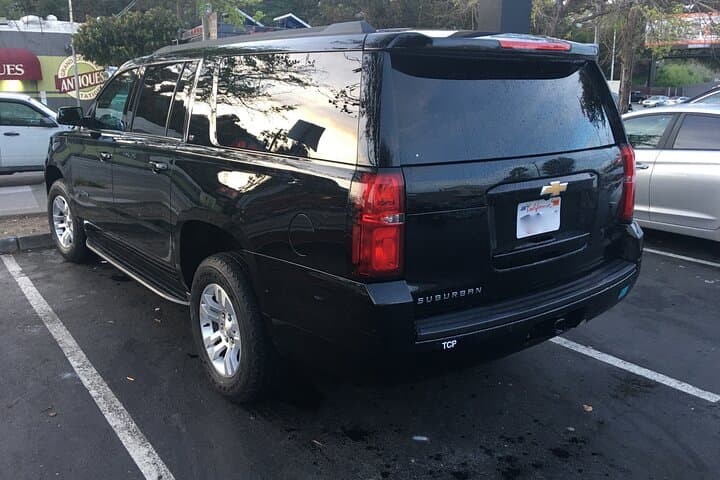
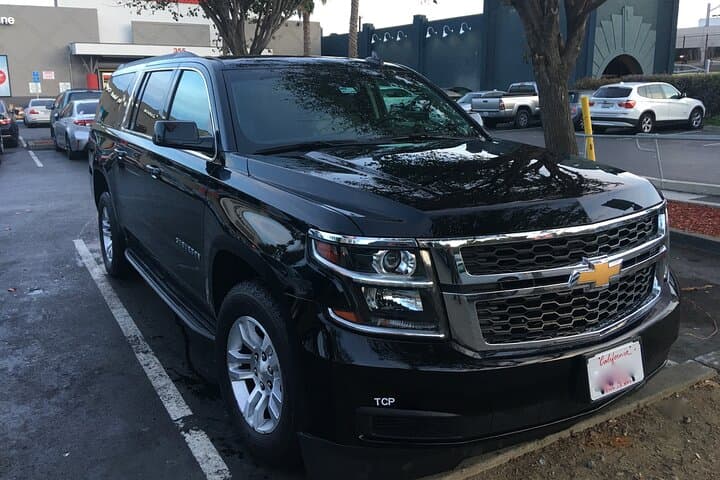
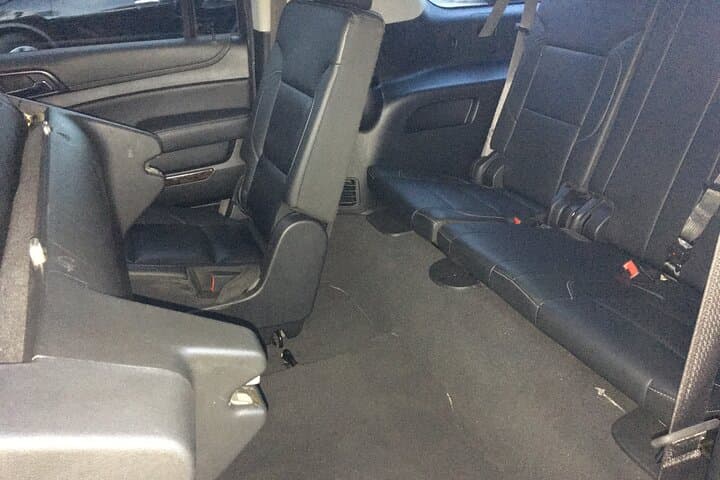
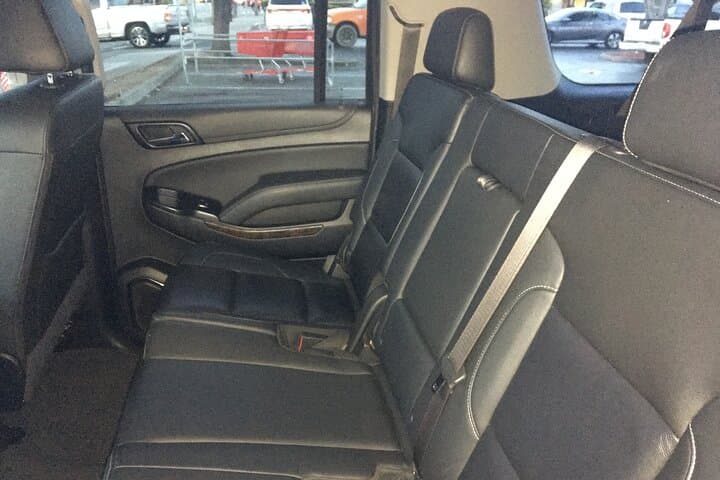
Fog lifts off the bay as your luxury SUV peels away from Fisherman’s Wharf, the city giving way to rolling rows of vines and low cobblestone farm roads.
Fog lifts off the bay as your luxury SUV peels away from Fisherman’s Wharf, the city giving way to rolling rows of vines and low cobblestone farm roads.
You feel the valley change: the air dries, oak ridgelines sharpen, and the guide points out microclimates that make Napa and Sonoma famously inconsistent and fascinating for wine. The day moves between three very different estates — a pond-and-cave tasting at Jarvis, an educational, soil-focused session at Raymond, and the dramatic stones and turrets of Castello di Amorosa — each site a distinct chapter in the region’s long winemaking story.
Napa Valley’s wine culture dates to the 19th century and rebuilt after phylloxera and Prohibition into today’s cluster of boutique and historic estates; the geology — volcanic and alluvial soils — explains why vineyards planted just yards apart produce different grapes. Local culture still balances family farms, tasting-room entrepreneurs, and conservation-minded growers restoring riparian corridors.
Practical edge: plan for eight hours including four hours of driving, wear comfortable shoes for cellar steps and outdoor footbridges, and bring a light layer for coastal mornings and cool cellar caves. Confirm any tasting fees and bottle-transport rules before you arrive; your host provides water and secure cargo, but wineries control purchases and shipping. Hydrate between pours, pace tastings, and time photography at midday for the cleanest light over vineyards. Expect easy walking, accessible pickup at Hyde & Jefferson, and a mix of indoor cellars and outdoor terraces—this is a day built for sightlines, stories, and sampling some of Napa and Sonoma’s most theatrical wines.