THE ADVENTURE COLLECTIVE® · Independent discovery and booking for outdoor travel

Spend six curated hours exploring Napa and Sonoma by private SUV, visiting three wineries with a local guide who handles reservations, logistics and context. This custom tasting tour blends wine education, scenic drives and personalized recommendations tailored to your preferences.
Spend six curated hours exploring Napa and Sonoma by private SUV, visiting three wineries with a local guide who handles reservations, logistics and context. This custom tasting tour blends wine education, scenic drives and personalized recommendations tailored to your preferences.
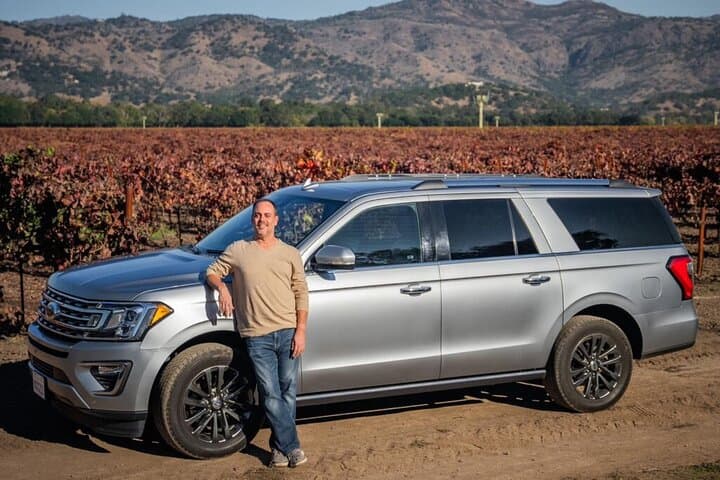
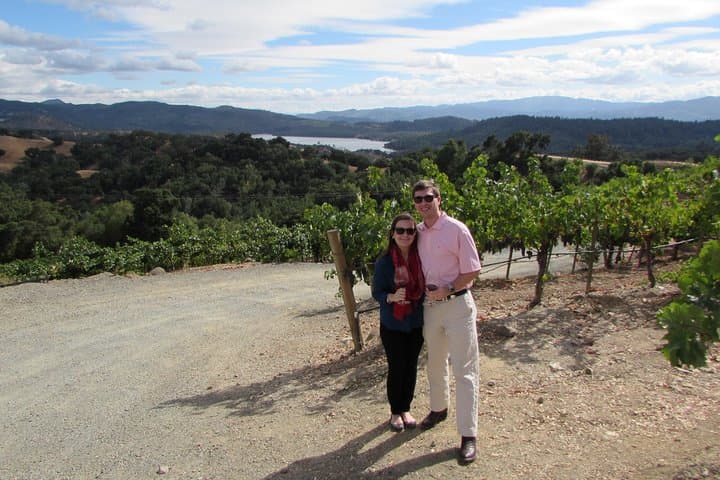
You step into a leather-trimmed SUV as morning light slants across vine rows, the guide folding a map of the valley like a storyteller marking chapters. The car hums away from the town and into a landscape where gravel roads, oak-studded ridges and terraced vineyards set a deliberate pace: tasting, learning, pausing for views.
Verified experiences and guided adventures in the surrounding area.
Operated by Bliss Wine Tours · Napa, California
You step into a leather-trimmed SUV as morning light slants across vine rows, the guide folding a map of the valley like a storyteller marking chapters. The car hums away from the town and into a landscape where gravel roads, oak-studded ridges and terraced vineyards set a deliberate pace: tasting, learning, pausing for views.
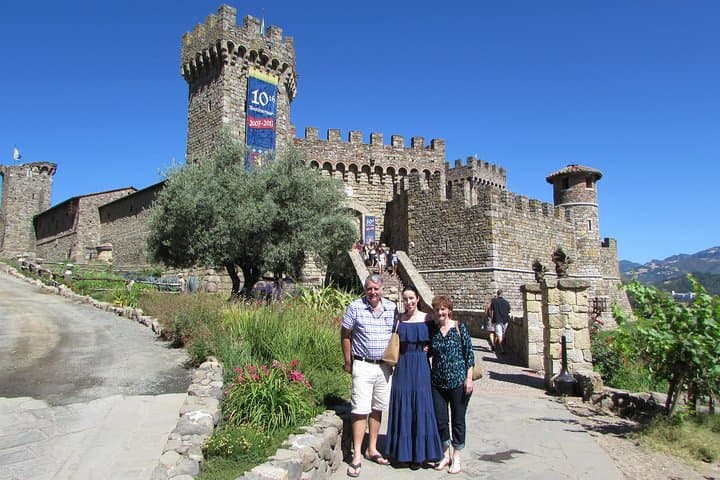
Napa and Sonoma are geologic children of ancient seabeds and tectonic lift—gravelly alluvial fans and volcanic soils produce markedly different wines within short drives. The region’s modern reputation was sealed by the 1976 Judgment of Paris, but its winemaking stretches back to 19th-century settlers and Italian and German immigrant families who transformed farms into wineries.
Culture here is low-key and tactile: cellar doors, barrel rooms, and tasting tables that encourage questions about clones and cover crops. Many smaller producers favor sustainable and dry-farming practices, so conversations often veer into stewardship as much as technique.
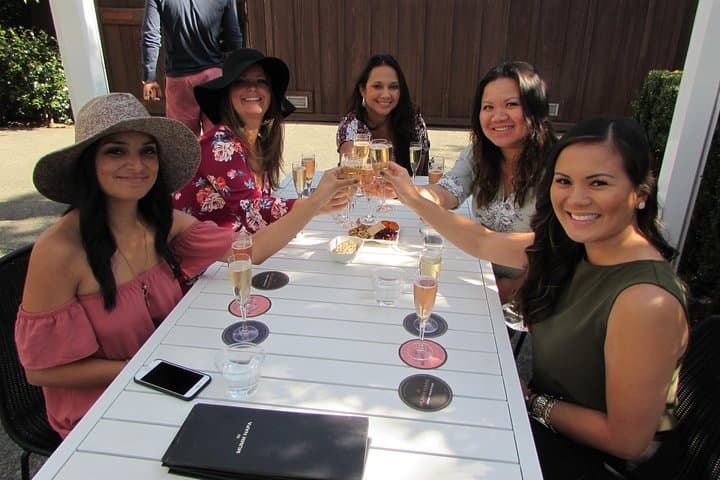
On a private six-hour tour expect three tasting stops plus a lunch break, tailored to your palate—breezy chardonnays, structured cabernets, or lean pinot noirs in cooler corners. A local guide will handle reservations, pour context with each wine, and capture photos so you don’t miss the light.
Practical notes: plan for slow travel—allow time for traffic between towns, book weekend reservations early, and stagger tastings with water and food. Comfortable shoes, layered clothing, and a strategy for purchases (shipping vs. carry) make the day smoother. This is a day of sensory study as much as scenic driving.
easy.
6 hours.
Suitable for all fitness levels; mostly seated with short walks at wineries
Tasting fees vary by winery and are typically paid separately unless otherwise specified—confirm with your guide when booking.
Yes—guides arrange a lunch stop and can select restaurants or picnic options to match dietary restrictions with advance notice.
Yes—pickup and drop-off from locations in Napa or Sonoma are included; confirm specific pickup address when booking.
Under-21s may ride in the vehicle and visit some wineries but cannot sample alcohol; plan alternate activities for non-drinkers.
Winemaking in Napa and Sonoma expanded rapidly in the late 1800s and was internationally recognized after the 1976 Judgment of Paris, which elevated California wines on the global stage.
Many producers in both valleys prioritize sustainable farming, water conservation and habitat buffers; ask wineries about their stewardship practices to support responsible choices.
Bliss Wine Tours operates guided outdoor trips and adventures with an emphasis on safety, stewardship, and memorable experiences.
You step into a leather-trimmed SUV as morning light slants across vine rows, the guide folding a map of the valley like a storyteller marking chapters. The car hums away from the town and into a landscape where gravel roads, oak-studded ridges and terraced vineyards set a deliberate pace: tasting, learning, pausing for views.
You step into a leather-trimmed SUV as morning light slants across vine rows, the guide folding a map of the valley like a storyteller marking chapters. The car hums away from the town and into a landscape where gravel roads, oak-studded ridges and terraced vineyards set a deliberate pace: tasting, learning, pausing for views.
Napa and Sonoma are geologic children of ancient seabeds and tectonic lift—gravelly alluvial fans and volcanic soils produce markedly different wines within short drives. The region’s modern reputation was sealed by the 1976 Judgment of Paris, but its winemaking stretches back to 19th-century settlers and Italian and German immigrant families who transformed farms into wineries.
Culture here is low-key and tactile: cellar doors, barrel rooms, and tasting tables that encourage questions about clones and cover crops. Many smaller producers favor sustainable and dry-farming practices, so conversations often veer into stewardship as much as technique.
On a private six-hour tour expect three tasting stops plus a lunch break, tailored to your palate—breezy chardonnays, structured cabernets, or lean pinot noirs in cooler corners. A local guide will handle reservations, pour context with each wine, and capture photos so you don’t miss the light.
Practical notes: plan for slow travel—allow time for traffic between towns, book weekend reservations early, and stagger tastings with water and food. Comfortable shoes, layered clothing, and a strategy for purchases (shipping vs. carry) make the day smoother. This is a day of sensory study as much as scenic driving.