THE ADVENTURE COLLECTIVE® · Independent discovery and booking for outdoor travel

Spend a private half-day fishing Nantucket’s beaches with local guide Steve Tuna. Explore surf breaks and quiet spits while fishing for striped bass, bluefish, false albacore and bonito.
Spend a private half-day fishing Nantucket’s beaches with local guide Steve Tuna. Explore surf breaks and quiet spits while fishing for striped bass, bluefish, false albacore and bonito.
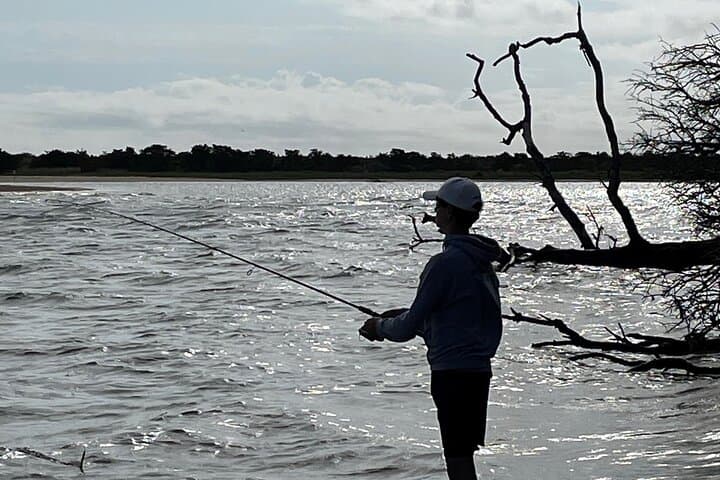
Dawn arrives on Nantucket with a raw, salt-sliced light and the steady hiss of surf; you stand where sand meets sea and the island opens in long, wind-shaped faces. A local guide named Steve Tuna reads the beaches like a map — which cobble will hold bass, which sandbar will funnel bluefish — and adapts the day to wind, tide and what you want to chase.
Verified experiences and guided adventures in the surrounding area.
Operated by Steve Tuna's Beach Fishing Adventures · Nantucket, Massachusetts
Dawn arrives on Nantucket with a raw, salt-sliced light and the steady hiss of surf; you stand where sand meets sea and the island opens in long, wind-shaped faces. A local guide named Steve Tuna reads the beaches like a map — which cobble will hold bass, which sandbar will funnel bluefish — and adapts the day to wind, tide and what you want to chase.
The island’s story is written in its beaches: a glacially sculpted core, a 19th-century whaling economy that financed cobbled streets, and a protective chain of dunes and spits that cradle habitats from the calm north shore to the surf-battered south. Great Point’s seven-mile spit is a living edge where currents, birds and fish intersect; Coatue and Polpis Harbor preserve quieter ecology and excellent shore access.
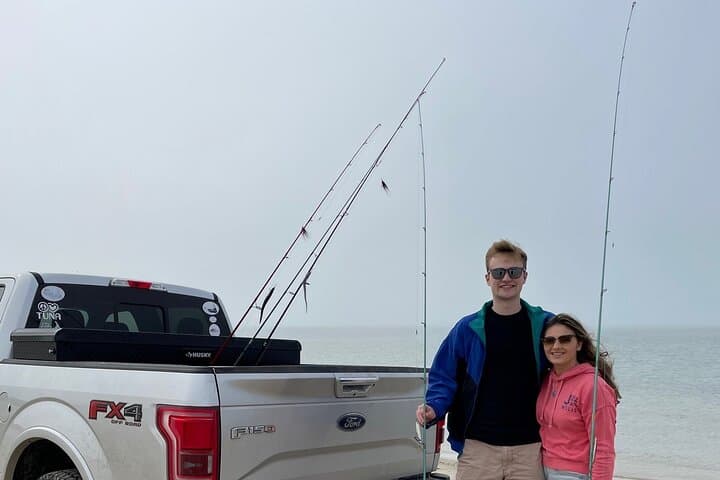
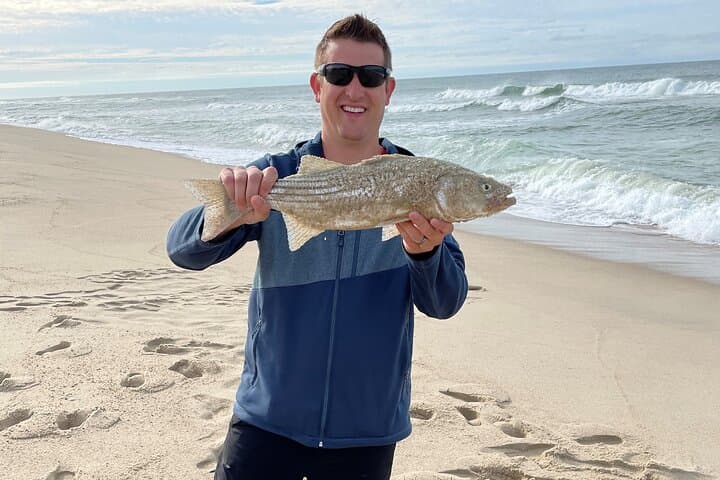
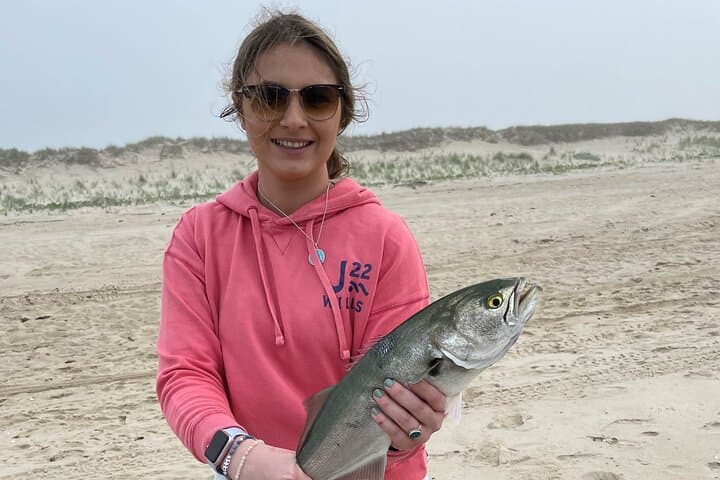
Expect a four‑hour private outing that can be taught to beginners or paced for anglers who want to fish hard. Species commonly targeted include striped bass, bluefish, false albacore and bonito; the guide provides rods, reels and tackle and chooses beaches based on wind and tide.
Practical note: wear non‑slip boots or wading shoes, dress in layers for wind off the Atlantic, and bring polarized sunglasses and sun protection. Be prepared for beach walking and occasional shallow wading; the operator cancels in unsafe weather. Getting there often means a short island drive or bike ride to a meeting point the guide texts you that morning.
This is a day of active listening — to tide charts, to Steve’s directions, and to the fish that decide when the show begins.
moderate.
4 hours.
Moderate fitness for walking on uneven sand, light wading, and standing for extended casts.
Regulations vary—check with the operator before your trip; guided outings often handle local permit requirements or advise you on licensing.
Yes—beginners are welcomed; the guide teaches casting, rigging basics and spinning techniques appropriate for shore fishing.
Meeting points are flexible and chosen by the guide based on conditions; you’ll get a text or call with the exact location and time the morning of the trip.
The operator cancels in unsafe weather for safety; their policy allows a full refund if canceled at least 24 hours prior or for severe conditions.
Nantucket’s economy was dominated by whaling in the 18th and 19th centuries, shaping its harbors, culture and maritime knowledge.
Dune systems and shorebird nesting areas (like piping plovers) are fragile—follow your guide’s paths and respect seasonal closures to minimize impact.
Steve Tuna's Beach Fishing Adventures operates guided outdoor trips and adventures with an emphasis on safety, stewardship, and memorable experiences.
Dawn arrives on Nantucket with a raw, salt-sliced light and the steady hiss of surf; you stand where sand meets sea and the island opens in long, wind-shaped faces. A local guide named Steve Tuna reads the beaches like a map — which cobble will hold bass, which sandbar will funnel bluefish — and adapts the day to wind, tide and what you want to chase.
Dawn arrives on Nantucket with a raw, salt-sliced light and the steady hiss of surf; you stand where sand meets sea and the island opens in long, wind-shaped faces. A local guide named Steve Tuna reads the beaches like a map — which cobble will hold bass, which sandbar will funnel bluefish — and adapts the day to wind, tide and what you want to chase.
The island’s story is written in its beaches: a glacially sculpted core, a 19th-century whaling economy that financed cobbled streets, and a protective chain of dunes and spits that cradle habitats from the calm north shore to the surf-battered south. Great Point’s seven-mile spit is a living edge where currents, birds and fish intersect; Coatue and Polpis Harbor preserve quieter ecology and excellent shore access.
Expect a four‑hour private outing that can be taught to beginners or paced for anglers who want to fish hard. Species commonly targeted include striped bass, bluefish, false albacore and bonito; the guide provides rods, reels and tackle and chooses beaches based on wind and tide.
Practical note: wear non‑slip boots or wading shoes, dress in layers for wind off the Atlantic, and bring polarized sunglasses and sun protection. Be prepared for beach walking and occasional shallow wading; the operator cancels in unsafe weather. Getting there often means a short island drive or bike ride to a meeting point the guide texts you that morning.
This is a day of active listening — to tide charts, to Steve’s directions, and to the fish that decide when the show begins.