THE ADVENTURE COLLECTIVE® · Independent discovery and booking for outdoor travel

Walk a carefully preserved 8 km stretch of the Nakasendo between Magome and Tsumago with a licensed guide and private car from Nagoya. Experience Edo-era post towns, forested ridgelines and local mountain cuisine on a tailored day tour.
Walk a carefully preserved 8 km stretch of the Nakasendo between Magome and Tsumago with a licensed guide and private car from Nagoya. Experience Edo-era post towns, forested ridgelines and local mountain cuisine on a tailored day tour.
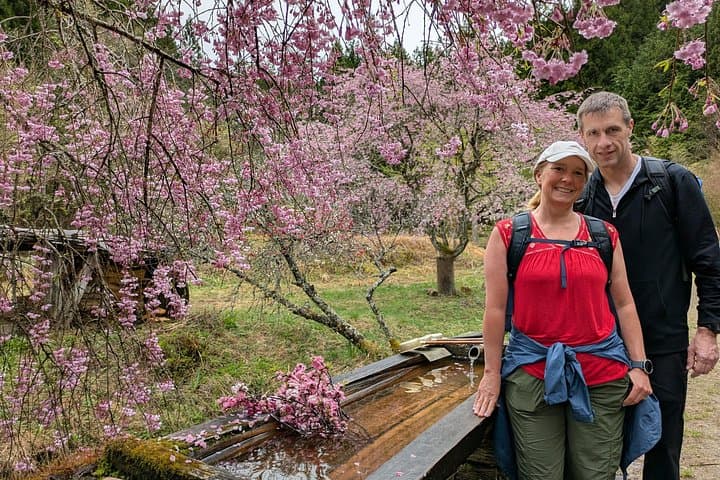
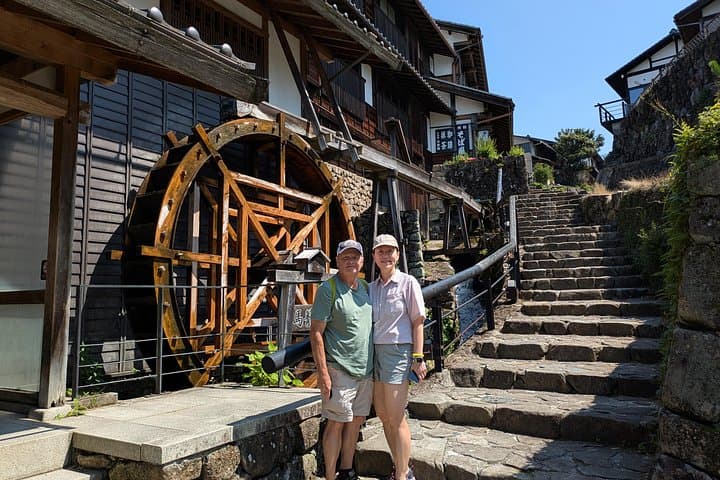
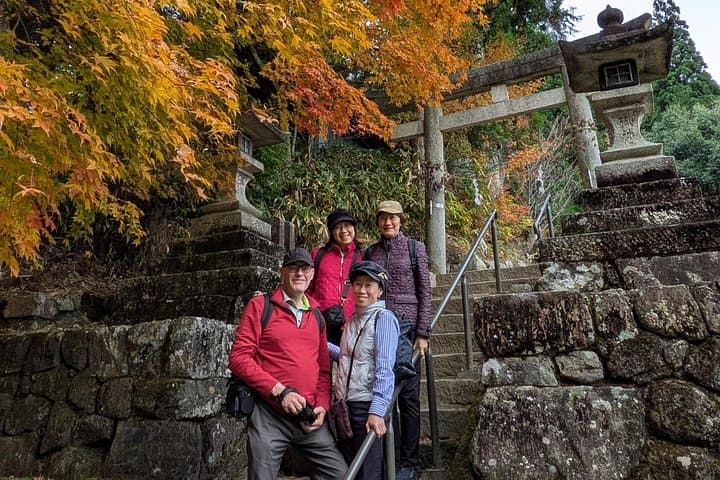
Morning light filters through cedar trunks as you step off a private car onto the cobbled slope of Magome-juku, the scent of grilled mochi and damp earth in the air. The trail drops and rises through fir and beech, the Kiso Valley opening in occasional windows of rice paddies and switchback ridgelines. The path itself is a walk through lived history: stone stairs worn smooth by centuries of travelers, waterwheels turning at village edges, and thatched teahouses that still steam with kettle heat.
Verified experiences and guided adventures in the surrounding area.
Operated by Yoshi's Nagoya Area Guide · Magome, Gifu Prefecture
Morning light filters through cedar trunks as you step off a private car onto the cobbled slope of Magome-juku, the scent of grilled mochi and damp earth in the air. The trail drops and rises through fir and beech, the Kiso Valley opening in occasional windows of rice paddies and switchback ridgelines. The path itself is a walk through lived history: stone stairs worn smooth by centuries of travelers, waterwheels turning at village edges, and thatched teahouses that still steam with kettle heat.
This 8 km stretch of the Nakasendo preserves Edo-period post towns—Magome and Tsumago—once waystations for merchants and samurai. Geologically the route traces river-cut valleys and steep slopes of the Kiso Mountains; expect compacted earth, stone sets and short stair sections rather than exposed alpine terrain. Local culture is tactile: chestnut rice at family inns, woodcraft shops, and teahouses that keep recipes centuries old.
Practically, the walk is moderate—undulating with occasional steep pitches—and typically takes 3–4 hours on foot; this private tour packages door-to-door transport from Nagoya and a licensed guide who adds historical context and local navigation. Bring sturdy shoes, layered clothing, cash for small shops, and limited-pack water; cell coverage is patchy in valley shrouds.
Timing matters: start early for cooler air and quieter villages. Respect preservation rules—stay on the trail, avoid loud groups, and treat the post towns as living neighborhoods rather than open-air museums. The reward is immediate: a route where landscape, history, and human scale meet, offering a slow, thoughtful day on one of Japan’s best-preserved highway segments.
moderate.
6–8 hours (including transit).
Moderate fitness: able to hike 8 km with some elevation changes and stairs; comfortable on uneven terrain.
The walking section is about 8 km and typically takes 3–4 hours at a relaxed pace, with extra time for stops in both post towns.
Yes—this private tour includes hotel pickup and drop-off in Nagoya via an air-conditioned car and professional driver.
Lunch at local eateries like Juri is usually on your own; the guide can recommend dishes like kurikomameshi (chestnut rice) and point out good options.
The route is family-friendly but involves stair sections and uneven surfaces; participants should have moderate mobility and be able to handle short steep pitches.
The Nakasendo was a principal inland route in the Edo era connecting Kyoto and Edo; Magome and Tsumago served as protected post towns for travelers and official processions.
Both post towns enforce strict preservation rules—visitors should remain on paths, avoid littering, and support local businesses to help maintain traditional buildings.
Yoshi's Nagoya Area Guide operates guided outdoor trips and adventures with an emphasis on safety, stewardship, and memorable experiences.
Morning light filters through cedar trunks as you step off a private car onto the cobbled slope of Magome-juku, the scent of grilled mochi and damp earth in the air. The trail drops and rises through fir and beech, the Kiso Valley opening in occasional windows of rice paddies and switchback ridgelines. The path itself is a walk through lived history: stone stairs worn smooth by centuries of travelers, waterwheels turning at village edges, and thatched teahouses that still steam with kettle heat.
Morning light filters through cedar trunks as you step off a private car onto the cobbled slope of Magome-juku, the scent of grilled mochi and damp earth in the air. The trail drops and rises through fir and beech, the Kiso Valley opening in occasional windows of rice paddies and switchback ridgelines. The path itself is a walk through lived history: stone stairs worn smooth by centuries of travelers, waterwheels turning at village edges, and thatched teahouses that still steam with kettle heat.
This 8 km stretch of the Nakasendo preserves Edo-period post towns—Magome and Tsumago—once waystations for merchants and samurai. Geologically the route traces river-cut valleys and steep slopes of the Kiso Mountains; expect compacted earth, stone sets and short stair sections rather than exposed alpine terrain. Local culture is tactile: chestnut rice at family inns, woodcraft shops, and teahouses that keep recipes centuries old.
Practically, the walk is moderate—undulating with occasional steep pitches—and typically takes 3–4 hours on foot; this private tour packages door-to-door transport from Nagoya and a licensed guide who adds historical context and local navigation. Bring sturdy shoes, layered clothing, cash for small shops, and limited-pack water; cell coverage is patchy in valley shrouds.
Timing matters: start early for cooler air and quieter villages. Respect preservation rules—stay on the trail, avoid loud groups, and treat the post towns as living neighborhoods rather than open-air museums. The reward is immediate: a route where landscape, history, and human scale meet, offering a slow, thoughtful day on one of Japan’s best-preserved highway segments.