THE ADVENTURE COLLECTIVE® · Independent discovery and booking for outdoor travel

Explore Rodin’s garden bronzes and the Impressionist halls of the Musée d’Orsay with a private guide and pre-booked tickets. Choose from short Rodin-only visits to extended tours that include private transfers for a seamless Paris museum day.
Explore Rodin’s garden bronzes and the Impressionist halls of the Musée d’Orsay with a private guide and pre-booked tickets. Choose from short Rodin-only visits to extended tours that include private transfers for a seamless Paris museum day.
You meet your guide by the Thomas Jefferson statue on Rue de Solferino and the city opens like a well-framed stage: the Seine sliding past, Haussmann facades turning to galleries. The tour moves at a human pace—short streets, a quiet walk to Hôtel Biron, and then into the sculpted, sunlit gardens where Rodin’s bronzes occupy their own kind of conversation.
Verified experiences and guided adventures in the surrounding area.
Operated by Rosotravel - France Tours & Activities · Paris, Île-de-France
You meet your guide by the Thomas Jefferson statue on Rue de Solferino and the city opens like a well-framed stage: the Seine sliding past, Haussmann facades turning to galleries. The tour moves at a human pace—short streets, a quiet walk to Hôtel Biron, and then into the sculpted, sunlit gardens where Rodin’s bronzes occupy their own kind of conversation.
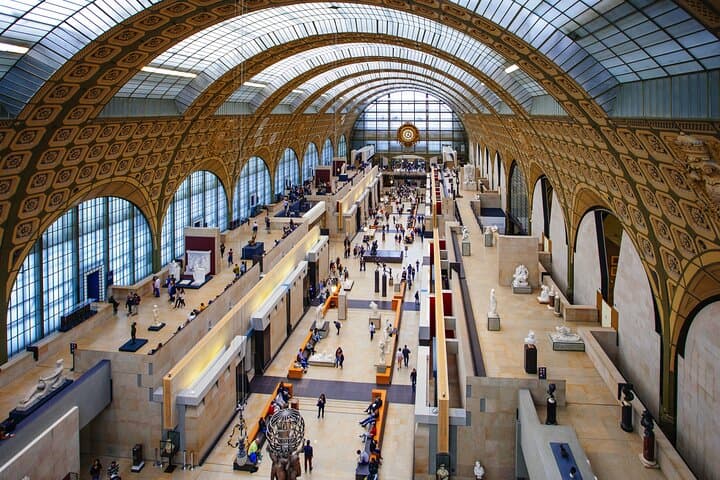
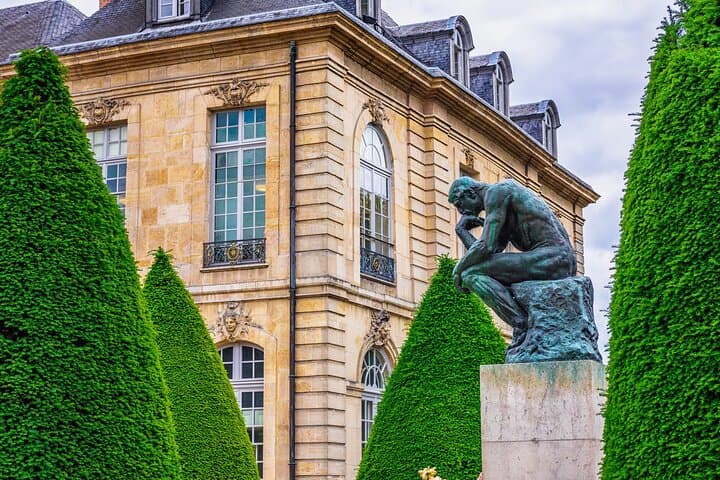
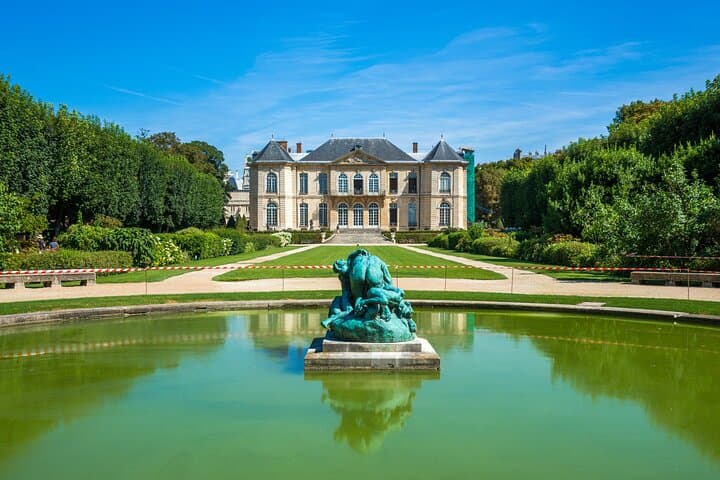
Musée Rodin occupies an 18th-century hôtel particulier and shows the arc of Auguste Rodin’s career—from intimate studies to monumental bronzes like The Thinker and The Gates of Hell. Nearby, the Musée d’Orsay repurposes the Gare d’Orsay, a Beaux-Arts railway station, into one of the world’s richest collections of 19th- and early-20th-century painting and sculpture. Geologically, you’re on Paris’s Left Bank—silted floodplain and shallow limestone that shaped the city’s foundations and its riverside promenades.
Expect close reading of works, curator-level context, and controlled museum rhythms: timed entries, security screening, and conservation rules that limit close contact and flash photography. Practical advice: choose the longer option if you want both museums and allow extra time for transfers through Paris traffic; wear comfortable shoes—there’s a lot of standing and paced walking; plan mornings for smaller crowds and cooler light in the Rodin gardens.
This private format means tailored commentary and the option to add a private sedan transfer. Carry a small daypack, respect exhibit signage, and leave large bags at hotel or lockers to move fluidly from sculpture gardens to Impressionist galleries.
easy.
2–6 hours.
Minimal fitness required; expect standing, walking on flat paved surfaces, and stairs in older museum sections
Pre-booked tickets provide priority entry to ticket offices but you will still pass through standard security checks and ticket validation lines.
Transfers are included only in the 3.5- and 5.5-hour options; the 2-hour Rodin option does not include transport.
Both museums and the listed transfers are wheelchair accessible, but check mobility needs in advance so your guide can tailor the route and seating stops.
Museum regulations limit guides at Rodin to groups up to 25 and at d’Orsay to smaller groups; the booking lists the permitted sizes and the tour is private to your party.
Hôtel Biron, which houses Musée Rodin, dates to the 18th century and became Rodin’s repository after he donated much of his work to the French state; Musée d’Orsay occupies the former Gare d’Orsay, a turn-of-the-century train station converted into a museum in 1986.
Both museums maintain strict climate control and light exposure limits to preserve works; buying tickets in advance helps smooth visitor flow and reduces crowding that can strain gallery environments.
Rosotravel - France Tours & Activities operates guided outdoor trips and adventures with an emphasis on safety, stewardship, and memorable experiences.
You meet your guide by the Thomas Jefferson statue on Rue de Solferino and the city opens like a well-framed stage: the Seine sliding past, Haussmann facades turning to galleries. The tour moves at a human pace—short streets, a quiet walk to Hôtel Biron, and then into the sculpted, sunlit gardens where Rodin’s bronzes occupy their own kind of conversation.
You meet your guide by the Thomas Jefferson statue on Rue de Solferino and the city opens like a well-framed stage: the Seine sliding past, Haussmann facades turning to galleries. The tour moves at a human pace—short streets, a quiet walk to Hôtel Biron, and then into the sculpted, sunlit gardens where Rodin’s bronzes occupy their own kind of conversation.
Musée Rodin occupies an 18th-century hôtel particulier and shows the arc of Auguste Rodin’s career—from intimate studies to monumental bronzes like The Thinker and The Gates of Hell. Nearby, the Musée d’Orsay repurposes the Gare d’Orsay, a Beaux-Arts railway station, into one of the world’s richest collections of 19th- and early-20th-century painting and sculpture. Geologically, you’re on Paris’s Left Bank—silted floodplain and shallow limestone that shaped the city’s foundations and its riverside promenades.
Expect close reading of works, curator-level context, and controlled museum rhythms: timed entries, security screening, and conservation rules that limit close contact and flash photography. Practical advice: choose the longer option if you want both museums and allow extra time for transfers through Paris traffic; wear comfortable shoes—there’s a lot of standing and paced walking; plan mornings for smaller crowds and cooler light in the Rodin gardens.
This private format means tailored commentary and the option to add a private sedan transfer. Carry a small daypack, respect exhibit signage, and leave large bags at hotel or lockers to move fluidly from sculpture gardens to Impressionist galleries.