THE ADVENTURE COLLECTIVE® · Independent discovery and booking for outdoor travel

Explore Muscat in a private, customizable half-day: from the Sultan Qaboos Grand Mosque to Muttrah Souq and seaside forts. This tour pairs architectural highlights with practical local tips for timing, dress and photography.
Explore Muscat in a private, customizable half-day: from the Sultan Qaboos Grand Mosque to Muttrah Souq and seaside forts. This tour pairs architectural highlights with practical local tips for timing, dress and photography.
The morning light in Muscat is sharp and clean: the sea presses against the corniche while white mosque domes catch the sun and the city hums quietly before markets wake. In a private, air-conditioned car you move through coastal roads and narrow alleys, the driver and guide shaping a personal loop of the Sultan Qaboos Grand Mosque, the Royal Opera, Muttrah Corniche and the old fortresses.
Verified experiences and guided adventures in the surrounding area.
Operated by Oman Tour · Muscat, Muscat Governorate
The morning light in Muscat is sharp and clean: the sea presses against the corniche while white mosque domes catch the sun and the city hums quietly before markets wake. In a private, air-conditioned car you move through coastal roads and narrow alleys, the driver and guide shaping a personal loop of the Sultan Qaboos Grand Mosque, the Royal Opera, Muttrah Corniche and the old fortresses.
Oman's capital sits where limestone hills step down to the Gulf of Oman. The Grand Mosque, completed in 2001, and the Royal Opera—a modern cultural landmark—sit beside older maritime infrastructure: Al Mirani and Al Jalali forts watch the harbor from their rocky perches and Muttrah's souq carries trading patterns that date back centuries. Expect conversations about pearl fishing, maritime trade and Muscat's 20th-century modernization as you move between eras and architectures.
Practicalities shape the day: the private tour runs about 4–5 hours and covers short walks and photo stops rather than long hikes. Dress conservatively for the mosque (shoulders and knees covered; women usually wear a headscarf in prayer areas), hydrate for the heat, and schedule the mosque visit early to avoid crowds. Photography is welcome at most exterior sites; interiors sometimes restrict tripods and flash. The tour is wheelchair-accessible and ideal for travelers who want a curated city overview without navigating public transport. Bring sun protection, comfortable shoes for cobbled alleys, and a camera — Muscat rewards slow attention as much as quick sightseeing.
easy.
4–5 hours.
Light fitness required — mostly short walks and standing for photos; suitable for most travelers.
Yes, general entry to the mosque is free, but visiting hours for non-worshippers are limited—check times and dress rules in advance.
The Opera house can be viewed externally on a city tour; interior access typically requires tickets for performances or scheduled tours.
Sections of the souq have uneven paving and narrow lanes; some parts are accessible but assistance may be required—the tour notes wheelchair accessibility options.
Yes — most private sightseeing tours include hotel pickup and drop-off within Muscat; confirm exact pickup point when booking.
Muscat's harbor long served as a trading crossroads; forts like Al Mirani and Al Jalali were fortified by successive rulers to protect maritime commerce.
Coastal development and tourism pressure require respectful behavior—avoid littering, support local sellers, and follow photography rules at heritage sites.
Oman Tour operates guided outdoor trips and adventures with an emphasis on safety, stewardship, and memorable experiences.
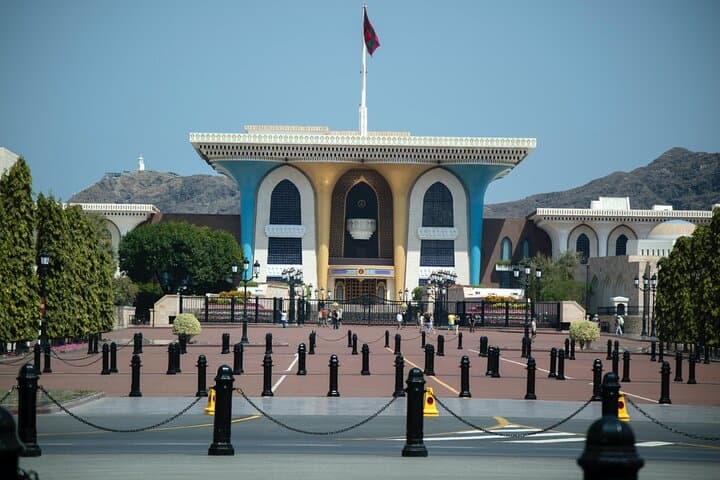
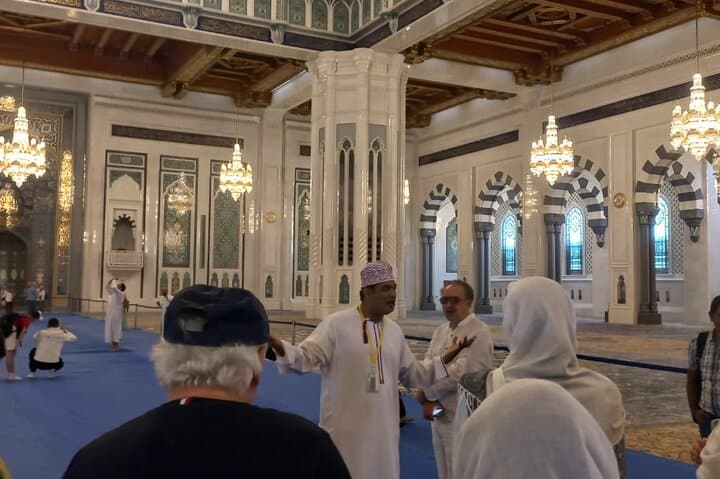
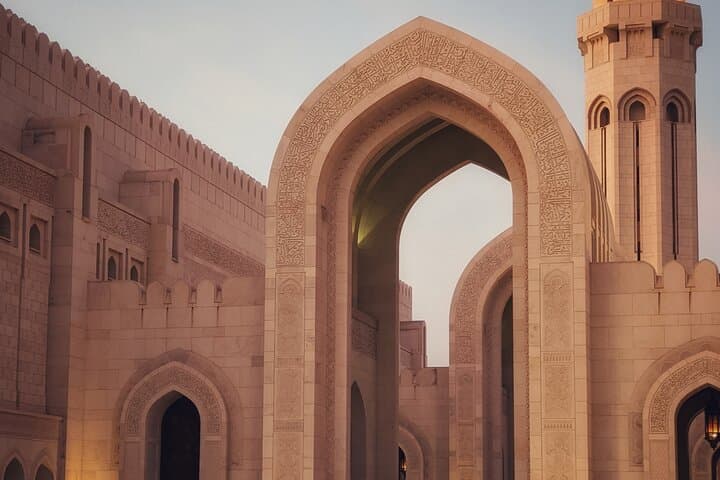
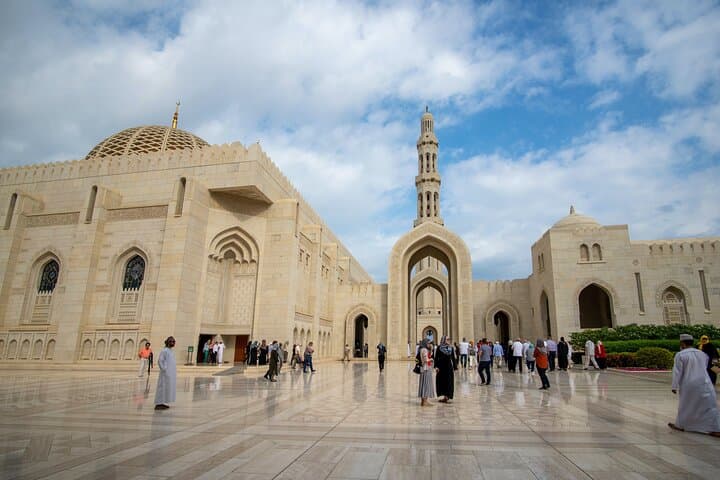
The morning light in Muscat is sharp and clean: the sea presses against the corniche while white mosque domes catch the sun and the city hums quietly before markets wake. In a private, air-conditioned car you move through coastal roads and narrow alleys, the driver and guide shaping a personal loop of the Sultan Qaboos Grand Mosque, the Royal Opera, Muttrah Corniche and the old fortresses.
The morning light in Muscat is sharp and clean: the sea presses against the corniche while white mosque domes catch the sun and the city hums quietly before markets wake. In a private, air-conditioned car you move through coastal roads and narrow alleys, the driver and guide shaping a personal loop of the Sultan Qaboos Grand Mosque, the Royal Opera, Muttrah Corniche and the old fortresses.
Oman's capital sits where limestone hills step down to the Gulf of Oman. The Grand Mosque, completed in 2001, and the Royal Opera—a modern cultural landmark—sit beside older maritime infrastructure: Al Mirani and Al Jalali forts watch the harbor from their rocky perches and Muttrah's souq carries trading patterns that date back centuries. Expect conversations about pearl fishing, maritime trade and Muscat's 20th-century modernization as you move between eras and architectures.
Practicalities shape the day: the private tour runs about 4–5 hours and covers short walks and photo stops rather than long hikes. Dress conservatively for the mosque (shoulders and knees covered; women usually wear a headscarf in prayer areas), hydrate for the heat, and schedule the mosque visit early to avoid crowds. Photography is welcome at most exterior sites; interiors sometimes restrict tripods and flash. The tour is wheelchair-accessible and ideal for travelers who want a curated city overview without navigating public transport. Bring sun protection, comfortable shoes for cobbled alleys, and a camera — Muscat rewards slow attention as much as quick sightseeing.