THE ADVENTURE COLLECTIVE® · Independent discovery and booking for outdoor travel

Move from the mosque’s cool marble halls to the bustling lanes of Muttrah Souq on a private, full-day tour of Muscat’s cultural highlights. Practical tips on timing, dress code, and what to expect help you plan an efficient and respectful visit.
Move from the mosque’s cool marble halls to the bustling lanes of Muttrah Souq on a private, full-day tour of Muscat’s cultural highlights. Practical tips on timing, dress code, and what to expect help you plan an efficient and respectful visit.
The morning sea air off the Muttrah Corniche cuts through the city’s heat; fishermen mend nets while minarets silhouette against a pale sky. On a private Muscat tour you move from cool marble halls to sunlit market alleys, led by a local guide who threads history between stops.
Verified experiences and guided adventures in the surrounding area.
Operated by Weguide-oman · Muscat, Muscat Governorate
The morning sea air off the Muttrah Corniche cuts through the city’s heat; fishermen mend nets while minarets silhouette against a pale sky. On a private Muscat tour you move from cool marble halls to sunlit market alleys, led by a local guide who threads history between stops.
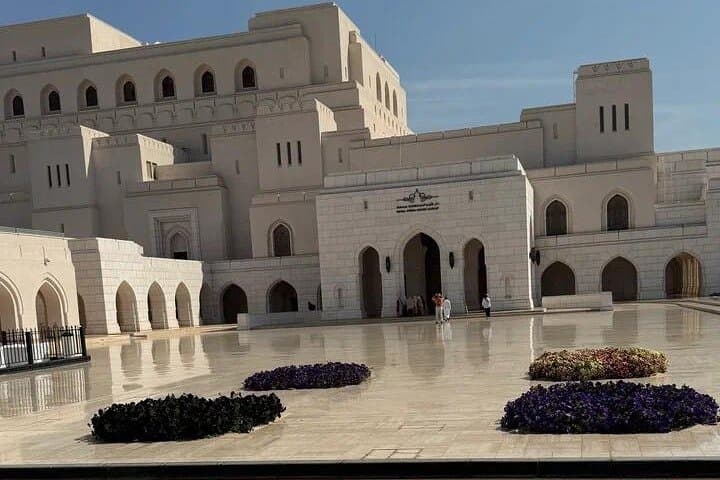
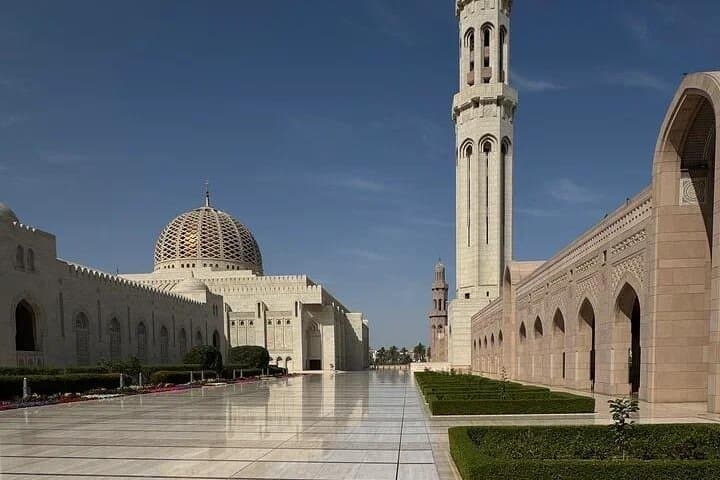
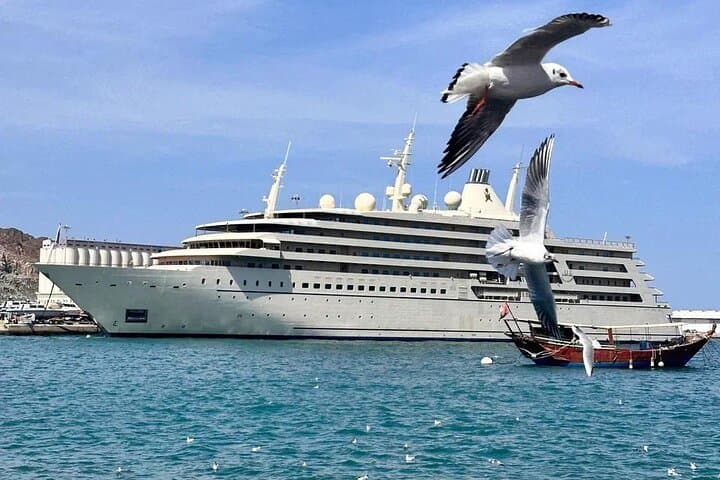
Muscat was forged as a maritime hub where frankincense and spices met sailors from Africa and Asia. The Sultan Qaboos Grand Mosque—built in the late 20th century—shows modern Omani craftsmanship and a famously vast hand-woven carpet. Nearby, the Royal Opera House represents the country’s cultural outreach, and the fortress-studded harbor recalls centuries of coastal defense and trade. Muttrah Souq keeps those mercantile rhythms alive: narrow lanes, brass lamps, and rose-scented frankincense stalls.
Expect paved walking, short stair sections in forts and museums, and stretches along the corniche with open coastal views that dare you to pause for a photo. Guides typically include a perfume factory visit and palace viewpoints; timings allow for relaxed browsing at the souq and a café break.
Practical notes: dress modestly for mosque visits—long sleeves and covered knees—and remove shoes inside. Mornings are cooler and best for sightseeing; afternoons can be hot, especially April–September. Carry water and sun protection, and keep small change for bargaining and tipping. Accessibility is generally good for vehicles and key sites, but ask ahead about mobility needs. This private, full-day circuit is straightforward, culturally rich, and well suited to travelers who want a compact, authoritative introduction to Muscat.
easy.
8 hours.
Suitable for all fitness levels; requires standing and walking on paved streets and some stairs
Yes—non-Muslim visitors can enter Sultan Qaboos Grand Mosque during designated hours; dress modestly and follow the guide’s instructions.
Most guided tours include transport and guide fees but confirm if specific museum or opera house admissions are extra.
Key sites and vehicles are generally accessible, but some forts and souq alleys have steps—notify the operator to arrange alternatives.
Guided visits typically allow 45–90 minutes for browsing and shopping, depending on your interest and the overall schedule.
Muscat grew as a strategic Indian Ocean port; its forts and palaces reflect centuries of maritime trade and occasional European rivalry.
Respect cultural sites and local customs, reduce plastic use in a water-scarce region, and support artisans selling locally made goods.
Weguide-oman operates guided outdoor trips and adventures with an emphasis on safety, stewardship, and memorable experiences.
The morning sea air off the Muttrah Corniche cuts through the city’s heat; fishermen mend nets while minarets silhouette against a pale sky. On a private Muscat tour you move from cool marble halls to sunlit market alleys, led by a local guide who threads history between stops.
The morning sea air off the Muttrah Corniche cuts through the city’s heat; fishermen mend nets while minarets silhouette against a pale sky. On a private Muscat tour you move from cool marble halls to sunlit market alleys, led by a local guide who threads history between stops.
Muscat was forged as a maritime hub where frankincense and spices met sailors from Africa and Asia. The Sultan Qaboos Grand Mosque—built in the late 20th century—shows modern Omani craftsmanship and a famously vast hand-woven carpet. Nearby, the Royal Opera House represents the country’s cultural outreach, and the fortress-studded harbor recalls centuries of coastal defense and trade. Muttrah Souq keeps those mercantile rhythms alive: narrow lanes, brass lamps, and rose-scented frankincense stalls.
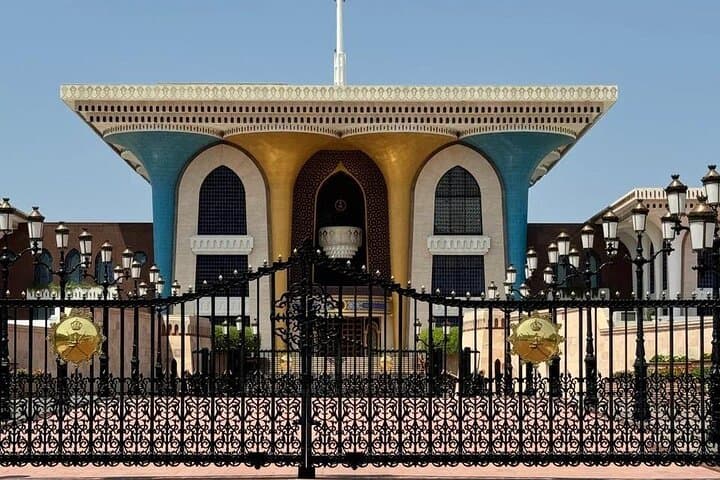
Expect paved walking, short stair sections in forts and museums, and stretches along the corniche with open coastal views that dare you to pause for a photo. Guides typically include a perfume factory visit and palace viewpoints; timings allow for relaxed browsing at the souq and a café break.
Practical notes: dress modestly for mosque visits—long sleeves and covered knees—and remove shoes inside. Mornings are cooler and best for sightseeing; afternoons can be hot, especially April–September. Carry water and sun protection, and keep small change for bargaining and tipping. Accessibility is generally good for vehicles and key sites, but ask ahead about mobility needs. This private, full-day circuit is straightforward, culturally rich, and well suited to travelers who want a compact, authoritative introduction to Muscat.