THE ADVENTURE COLLECTIVE® · Independent discovery and booking for outdoor travel

Explore Muscat’s essential sights on a private 4–5 hour tour that pairs the grandeur of Sultan Qaboos Grand Mosque with the sensory maze of Muttrah Souq and coastal viewpoints at Al Alam Palace. Ideal for travelers seeking history, markets, and panoramic harbor views.
Explore Muscat’s essential sights on a private 4–5 hour tour that pairs the grandeur of Sultan Qaboos Grand Mosque with the sensory maze of Muttrah Souq and coastal viewpoints at Al Alam Palace. Ideal for travelers seeking history, markets, and panoramic harbor views.
You step out of the air‑conditioned vehicle onto a white marble plaza where the light hits the mosque’s dome and cool tiles underfoot. The city opens in stages: monumental Islamic architecture, a seafront market still smelling of frankincense, and stone forts staring down the Gulf of Oman.
Verified experiences and guided adventures in the surrounding area.
Operated by ASAAD · Muscat, Muscat Governorate
You step out of the air‑conditioned vehicle onto a white marble plaza where the light hits the mosque’s dome and cool tiles underfoot. The city opens in stages: monumental Islamic architecture, a seafront market still smelling of frankincense, and stone forts staring down the Gulf of Oman.
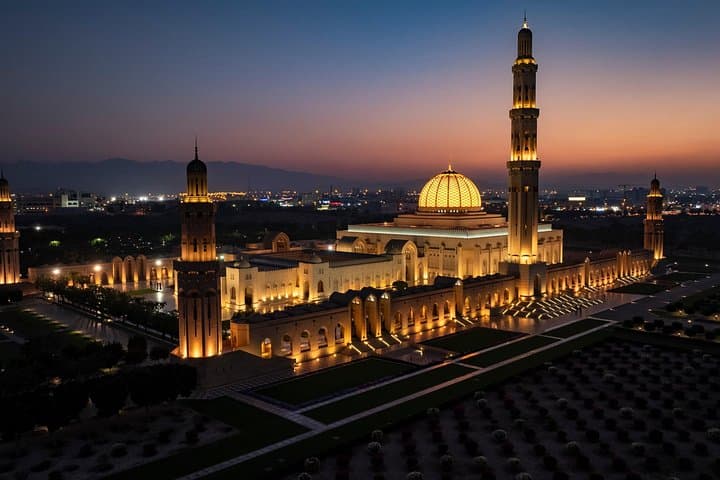
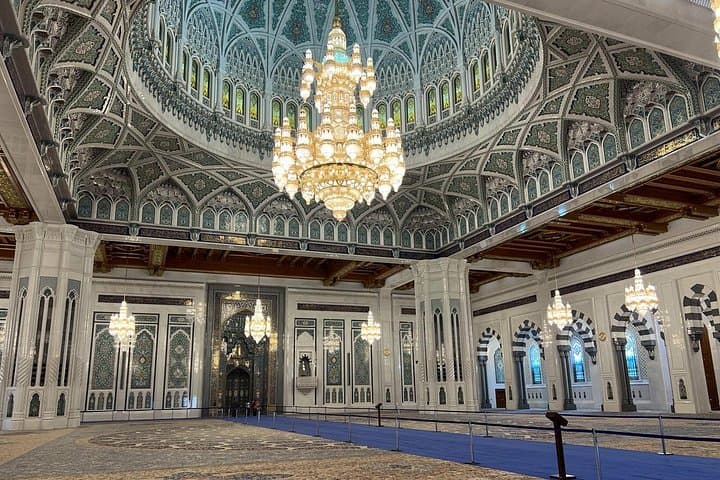
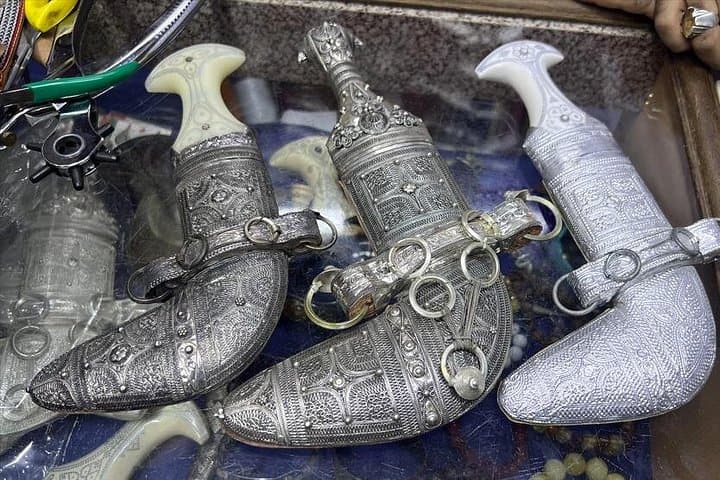
This private half‑day tour threads Muscat’s key chapters together. From the 20th‑century Sultan Qaboos Grand Mosque—known for its vast prayer hall and large handmade carpet—you move to Muttrah’s labyrinthine souq, whose alleyways and spice stalls recall Muscat’s role as a historic Arabian trading port. The walk to the Mutrah Fish Market places you in the rhythms of coastal life: boats, ice chests, and the day’s catch. Al Alam Palace and the twin forts of Mirani and Jalali close out the route with views over the harbor and a sense of Oman’s strategic maritime past.
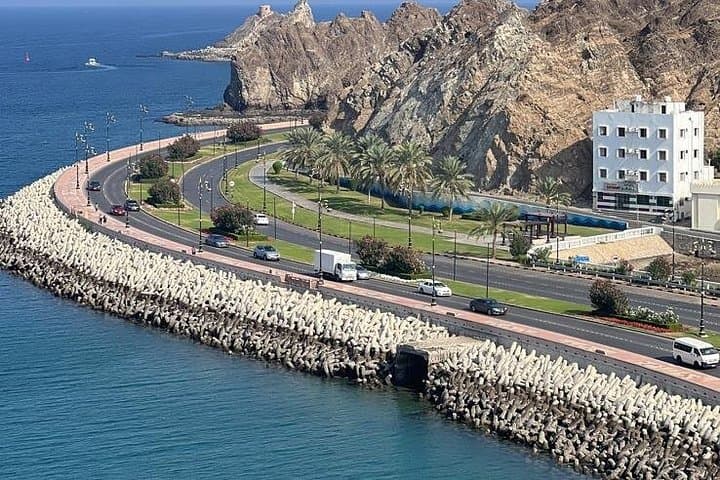
Geology and culture are visible at once: the arid Hajar foothills form a dry backdrop while the sea shapes local diets and livelihoods. Guides often include halwa and Arabic coffee in a diwaniya, offering a practical window into Omani hospitality.
Practical notes: the tour is low‑impact walking (short walks, many photo stops) but mid‑day heat can be intense—plan morning departures. Dress modestly for mosque access (long sleeves, long trousers or skirt; women should bring a scarf). Comfortable closed shoes, sun protection, and a small bottle of water will keep the day moving smoothly. With a private guide and pickup, this itinerary is compact, informative, and tailored for travelers who want cultural context with coastal scenery.
easy.
4–5 hours.
Suitable for most fitness levels; requires short periods of walking and standing.
Yes, but visitors must adhere to visiting hours and dress modestly; some areas are reserved for worship during prayer times.
Private tours are flexible—providers typically accommodate infants and offer wheelchair accessibility upon request; confirm during booking.
This itinerary includes no paid admissions by default; confirm with the operator for any optional paid entries.
Most private guides in Muscat speak English; you can request other languages when booking but availability varies.
Muscat grew as a trading port with strategic forts guarding its harbor; the city’s architecture reflects maritime wealth and Omani Islamic traditions.
Oman balances tourism with coastal conservation—avoid purchasing endangered coral or shells, and follow local guidance to reduce plastic waste.
ASAAD operates guided outdoor trips and adventures with an emphasis on safety, stewardship, and memorable experiences.
You step out of the air‑conditioned vehicle onto a white marble plaza where the light hits the mosque’s dome and cool tiles underfoot. The city opens in stages: monumental Islamic architecture, a seafront market still smelling of frankincense, and stone forts staring down the Gulf of Oman.
You step out of the air‑conditioned vehicle onto a white marble plaza where the light hits the mosque’s dome and cool tiles underfoot. The city opens in stages: monumental Islamic architecture, a seafront market still smelling of frankincense, and stone forts staring down the Gulf of Oman.
This private half‑day tour threads Muscat’s key chapters together. From the 20th‑century Sultan Qaboos Grand Mosque—known for its vast prayer hall and large handmade carpet—you move to Muttrah’s labyrinthine souq, whose alleyways and spice stalls recall Muscat’s role as a historic Arabian trading port. The walk to the Mutrah Fish Market places you in the rhythms of coastal life: boats, ice chests, and the day’s catch. Al Alam Palace and the twin forts of Mirani and Jalali close out the route with views over the harbor and a sense of Oman’s strategic maritime past.
Geology and culture are visible at once: the arid Hajar foothills form a dry backdrop while the sea shapes local diets and livelihoods. Guides often include halwa and Arabic coffee in a diwaniya, offering a practical window into Omani hospitality.
Practical notes: the tour is low‑impact walking (short walks, many photo stops) but mid‑day heat can be intense—plan morning departures. Dress modestly for mosque access (long sleeves, long trousers or skirt; women should bring a scarf). Comfortable closed shoes, sun protection, and a small bottle of water will keep the day moving smoothly. With a private guide and pickup, this itinerary is compact, informative, and tailored for travelers who want cultural context with coastal scenery.