THE ADVENTURE COLLECTIVE® · Independent discovery and booking for outdoor travel

Step onto a private motorboat from Venice and spend three focused hours on Murano watching master glassblowers shape molten glass and visiting the Museo del Vetro. This intimate tour pairs a comfortable transfer with a museum visit and free time to explore the island’s workshops.
Step onto a private motorboat from Venice and spend three focused hours on Murano watching master glassblowers shape molten glass and visiting the Museo del Vetro. This intimate tour pairs a comfortable transfer with a museum visit and free time to explore the island’s workshops.
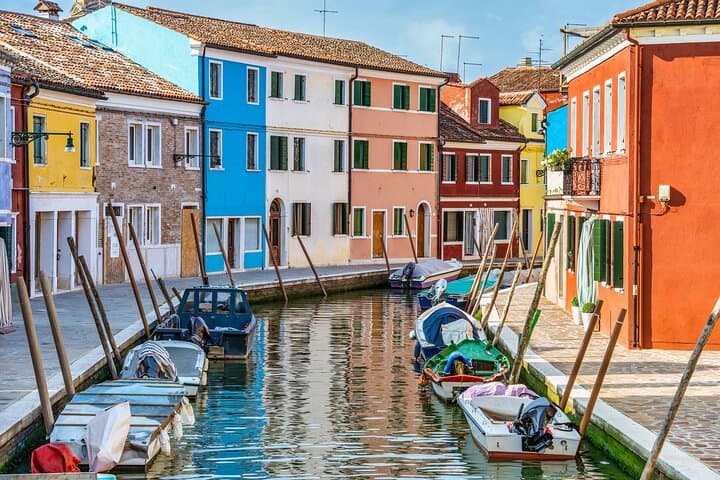
You push off from a rialto-side dock and the lagoon takes the oar, nudging the private motorboat into Murano’s channel where chimneys and bright façades stitch the skyline. The wind smells of salt and heated sand; in the distance a furnace throws a slow orange pulse that promises both spectacle and heat.
Verified experiences and guided adventures in the surrounding area.
Operated by Italian Vista Travel · Venice, Veneto
You push off from a rialto-side dock and the lagoon takes the oar, nudging the private motorboat into Murano’s channel where chimneys and bright façades stitch the skyline. The wind smells of salt and heated sand; in the distance a furnace throws a slow orange pulse that promises both spectacle and heat.
Murano’s reputation as Europe’s glass capital began in the 13th century when the Venetian Republic moved glassmaking off Venice’s main islands to prevent fires and to protect trade secrets. The island’s narrow canals and low industrial chimneys still read as a working landscape: kilns, blown goblets, and chains of artisans tracing techniques passed down generations. Museo del Vetro anchors the cultural tour, with pieces that document stylistic shifts and the raw silica that turned into luxury across centuries.
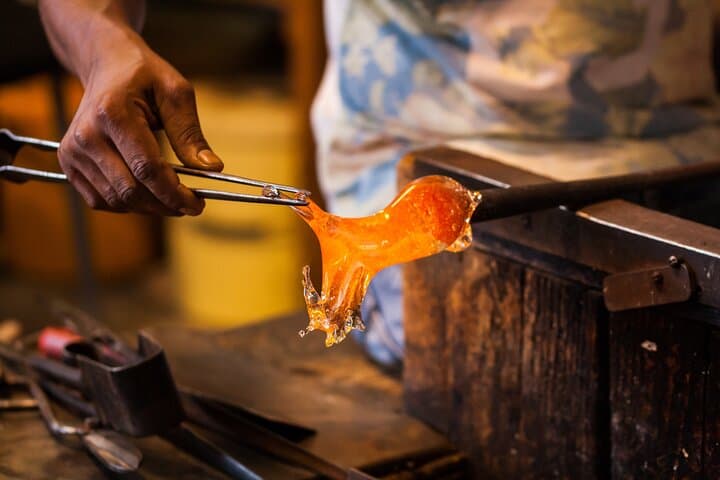
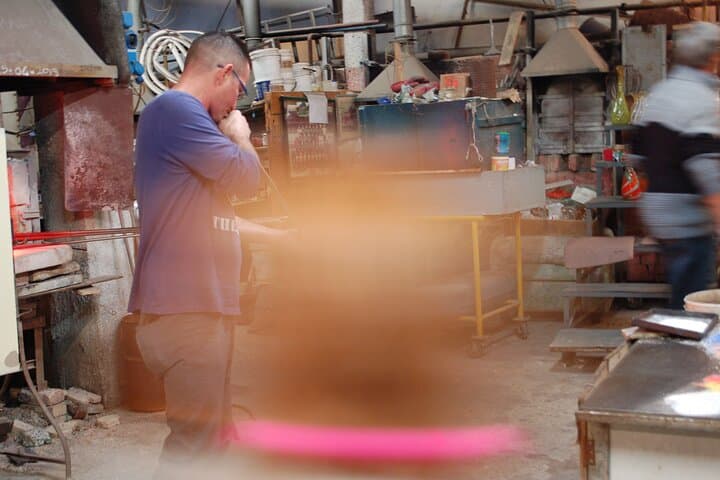
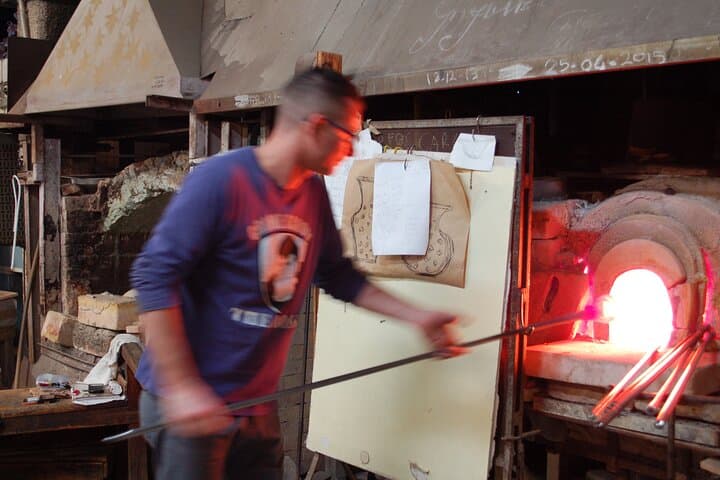
Expect a three-hour rhythm: a brief private boat transfer, a 60–90 minute furnace demonstration, then a guided visit to the museum and time to walk the island’s lanes and shop studios. The demonstration is intense and sensory—heat, molten glass shaped on the pontil, the hiss of water on hot metal—so maintain a safe distance requested by hosts.
Practical notes: leave bulky luggage in Venice, bring sun protection for the boat ride, and wear closed-toe shoes if you plan to edge close to the furnace viewing. Photography is usually allowed during demonstrations but follow the guide and respect workshop safety rules. The pace is relaxed and suitable for most travelers; the true reward is watching raw heat become refined object, and hearing a centuries-old craft speak in light and sound.
easy.
3 hours.
Basic mobility for boarding a small motorboat and walking short island streets; suitable for most fitness levels
This private tour typically includes pickup by water taxi from a central Venice dock or arranged hotel-to-dock transfer—confirm your exact pickup point when booking.
Yes; the tour notes stroller access and is family-friendly, but children must stay behind safety barriers due to intense heat.
Yes, many studios sell pieces; ask vendors for packing options and retain receipts for VAT refund procedures if applicable.
The operator may cancel for severe weather; the listing allows cancellations 24 hours prior for a full refund—confirm contingency plans at booking.
In the 1200s Venice concentrated glassmaking on Murano to reduce fire risk and to keep techniques under Venetian control; Murano glass became a major export and prestige craft for the Republic.
The Venetian Lagoon is a fragile ecosystem; keep to marked walkways, avoid feeding wildlife, and support local studios that follow sustainable sourcing and waste practices.
Italian Vista Travel operates guided outdoor trips and adventures with an emphasis on safety, stewardship, and memorable experiences.
You push off from a rialto-side dock and the lagoon takes the oar, nudging the private motorboat into Murano’s channel where chimneys and bright façades stitch the skyline. The wind smells of salt and heated sand; in the distance a furnace throws a slow orange pulse that promises both spectacle and heat.
You push off from a rialto-side dock and the lagoon takes the oar, nudging the private motorboat into Murano’s channel where chimneys and bright façades stitch the skyline. The wind smells of salt and heated sand; in the distance a furnace throws a slow orange pulse that promises both spectacle and heat.
Murano’s reputation as Europe’s glass capital began in the 13th century when the Venetian Republic moved glassmaking off Venice’s main islands to prevent fires and to protect trade secrets. The island’s narrow canals and low industrial chimneys still read as a working landscape: kilns, blown goblets, and chains of artisans tracing techniques passed down generations. Museo del Vetro anchors the cultural tour, with pieces that document stylistic shifts and the raw silica that turned into luxury across centuries.
Expect a three-hour rhythm: a brief private boat transfer, a 60–90 minute furnace demonstration, then a guided visit to the museum and time to walk the island’s lanes and shop studios. The demonstration is intense and sensory—heat, molten glass shaped on the pontil, the hiss of water on hot metal—so maintain a safe distance requested by hosts.
Practical notes: leave bulky luggage in Venice, bring sun protection for the boat ride, and wear closed-toe shoes if you plan to edge close to the furnace viewing. Photography is usually allowed during demonstrations but follow the guide and respect workshop safety rules. The pace is relaxed and suitable for most travelers; the true reward is watching raw heat become refined object, and hearing a centuries-old craft speak in light and sound.