THE ADVENTURE COLLECTIVE® · Independent discovery and booking for outdoor travel

Private transfer from Munich to Passau with a focused two‑hour stop at the Dachau Memorial. Combine efficient door‑to‑door transport with a meaningful visit to one of Germany’s most important historical sites.
Private transfer from Munich to Passau with a focused two‑hour stop at the Dachau Memorial. Combine efficient door‑to‑door transport with a meaningful visit to one of Germany’s most important historical sites.
You roll out of Munich before the city fully brightens; the motor hums and the countryside widens as the driver steers toward Dachau’s low brick gates. In the stillness of the memorial grounds the air feels deliberate — trees crowd the walkways and the chain‑link silhouette marks a history that demands attention.
Verified experiences and guided adventures in the surrounding area.
Operated by Europe Journey - Private Sightseeing Transfers and Day Tours · Dachau, Bavaria
You roll out of Munich before the city fully brightens; the motor hums and the countryside widens as the driver steers toward Dachau’s low brick gates. In the stillness of the memorial grounds the air feels deliberate — trees crowd the walkways and the chain‑link silhouette marks a history that demands attention.
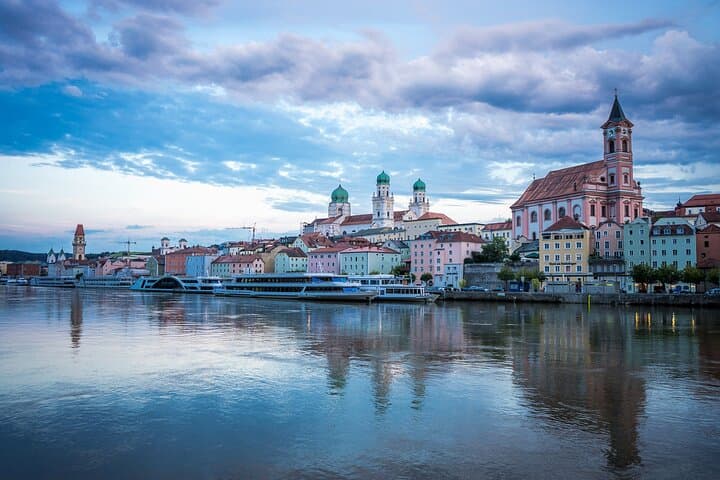
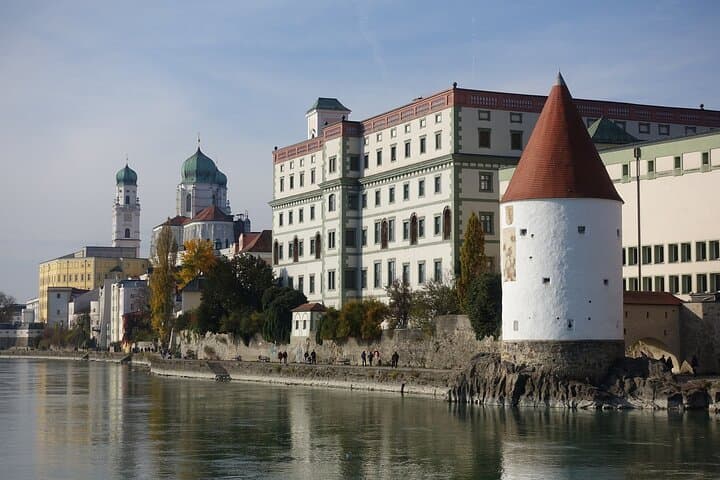
Opened in 1933 as a detention site for political prisoners, Dachau later became a model for the concentration camp system; the permanent exhibition traces the prisoners’ route from arrival to liberation and anchors the stop in sober context. Continuing east, the route follows highways that skirt Bavarian farmland until Passau rises at the confluence of the Danube, Inn and Ilz — a baroque city of river views and cobbled streets.
Expect a compact but intense visit: the operator typically provides a two‑hour window to walk the prisoner path, visit the exhibitions, and pause at memorial points. The remaining time is spent on the road to Passau — plan on a total of roughly four to five hours for door‑to‑door transfer depending on traffic. Dress and behave with restraint inside the memorial, allow time for security and queues at peak hours, and prioritize the outdoor path if museum time is short.
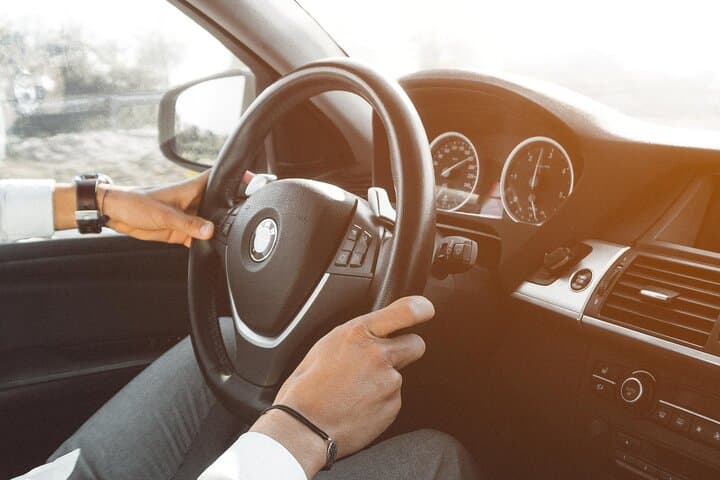
This experience is transport plus history rather than a guided deep dive; the driver is English‑speaking and the vehicle includes bottled water. For travelers, the combination of a private transfer and a focused memorial visit makes this a practical way to move east while confronting an essential piece of 20th‑century European history.
easy.
4–5 hours.
Suitable for most fitness levels — involves walking on paved and gravel paths for up to two hours
Admission to the Dachau Concentration Camp Memorial Site is free; this transfer does not include optional guided tours or paid audio guides.
The itinerary includes a two‑hour stop dedicated to the memorial; the overall transfer time is typically 4–5 hours depending on traffic.
The memorial contains graphic historical exhibits and may be distressing for young children; infants may ride on laps per the operator’s policy.
The vehicle provides bottled water and rest; plan for food breaks independently — there are basic facilities near the memorial and on the route to Passau.
Dachau was established in 1933 for political prisoners and became a prototype for Nazi concentration camps; the memorial documents the camp’s operation and liberation in 1945.
The memorial is maintained as a site of remembrance; visitors should stay on designated paths, avoid touching artifacts, and follow guidance to protect fragile exhibits and grounds.
Europe Journey - Private Sightseeing Transfers and Day Tours operates guided outdoor trips and adventures with an emphasis on safety, stewardship, and memorable experiences.
You roll out of Munich before the city fully brightens; the motor hums and the countryside widens as the driver steers toward Dachau’s low brick gates. In the stillness of the memorial grounds the air feels deliberate — trees crowd the walkways and the chain‑link silhouette marks a history that demands attention.
You roll out of Munich before the city fully brightens; the motor hums and the countryside widens as the driver steers toward Dachau’s low brick gates. In the stillness of the memorial grounds the air feels deliberate — trees crowd the walkways and the chain‑link silhouette marks a history that demands attention.
Opened in 1933 as a detention site for political prisoners, Dachau later became a model for the concentration camp system; the permanent exhibition traces the prisoners’ route from arrival to liberation and anchors the stop in sober context. Continuing east, the route follows highways that skirt Bavarian farmland until Passau rises at the confluence of the Danube, Inn and Ilz — a baroque city of river views and cobbled streets.
Expect a compact but intense visit: the operator typically provides a two‑hour window to walk the prisoner path, visit the exhibitions, and pause at memorial points. The remaining time is spent on the road to Passau — plan on a total of roughly four to five hours for door‑to‑door transfer depending on traffic. Dress and behave with restraint inside the memorial, allow time for security and queues at peak hours, and prioritize the outdoor path if museum time is short.
This experience is transport plus history rather than a guided deep dive; the driver is English‑speaking and the vehicle includes bottled water. For travelers, the combination of a private transfer and a focused memorial visit makes this a practical way to move east while confronting an essential piece of 20th‑century European history.