THE ADVENTURE COLLECTIVE® · Independent discovery and booking for outdoor travel

Explore Mukuni Village and the Livingstone Museum on a private half-day tour that mixes hands-on cultural encounters with local history. Expect village visits, market stops, and guided context on Leya heritage and the town’s relationship to the Zambezi.
Explore Mukuni Village and the Livingstone Museum on a private half-day tour that mixes hands-on cultural encounters with local history. Expect village visits, market stops, and guided context on Leya heritage and the town’s relationship to the Zambezi.
You step off the dusty road into Mukuni Village and the air changes—wood smoke, woven reed roofs, and laughter folding into the steady pulse of the nearby Zambezi. Local guides move with quiet authority, opening doorways of story: clan traditions, ceremonial songs, and cooking methods passed down since the village’s 13th-century founding.
Verified experiences and guided adventures in the surrounding area.
Operated by Opatrip.com Zambia · Livingstone, Southern Province
You step off the dusty road into Mukuni Village and the air changes—wood smoke, woven reed roofs, and laughter folding into the steady pulse of the nearby Zambezi. Local guides move with quiet authority, opening doorways of story: clan traditions, ceremonial songs, and cooking methods passed down since the village’s 13th-century founding.
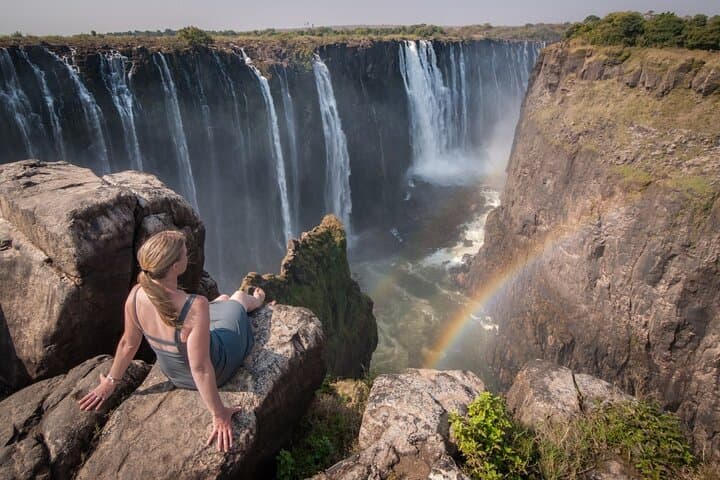
The route then swings into Livingstone town, whose wide streets and colonial-era buildings sit a short drive from Mosi‑oa‑Tunya (the Smokey Water). The Livingstone Museum on Mosi‑oa‑Tunya Road collects those cross-currents: precolonial material culture, missionary-era archives, and exhibits that connect the town to broader regional trade and riverine geology shaped by the Zambezi’s escarpments.
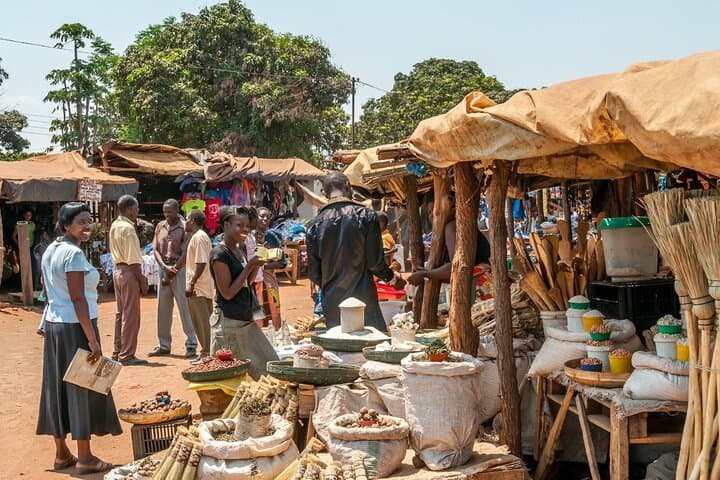
Cultural encounters here are tactile—basket weaving, folklore, market haggling at the town’s long-standing market—rather than performance-only. Guides explain Leya lineage and the practical reasons certain routes and building styles persist, while the river nearby continues to shape local livelihoods and seasonal rhythms.
Practical guidance: this private, half-day itinerary runs about four hours and is suitable for all fitness levels; expect walking on compacted earth and uneven market alleys. Carry local currency for market purchases, sun protection and at least 1 liter of water, and leave bulky bags at your hotel when possible. Museum opening hours can vary; confirm in advance. Modest dress is appreciated in village settings, and small cash tips for guides and artisans are customary. This tour blends close-up cultural learning with grounded logistics—fast, accessible, and rich in local detail.
easy.
4 hours.
Suitable for general fitness; involves moderate walking and standing for demonstrations
Admission policies vary; this private tour description lists guide services—confirm whether site entrance fees are part of your booking before arrival.
Private tours commonly offer pickup—bookings typically request a pickup point and confirmation of your hotel location.
Expect short, manageable walks (mostly under 1–2 kilometers cumulatively) on compacted earth and paved streets over the roughly four-hour tour.
Local guides usually speak English and one or more regional languages; request a guide fluent in your preferred language when booking if needed.
Mukuni Village traces origins to a 13th-century Leya matriarch and remains a living center of Leya cultural practice; Livingstone town grew connected to river trade and colonial-era exploration.
Visitors should minimize plastic waste, avoid buying wildlife products, and support artisans directly to help sustain local economies and reduce environmental pressures.
Opatrip.com Zambia operates guided outdoor trips and adventures with an emphasis on safety, stewardship, and memorable experiences.
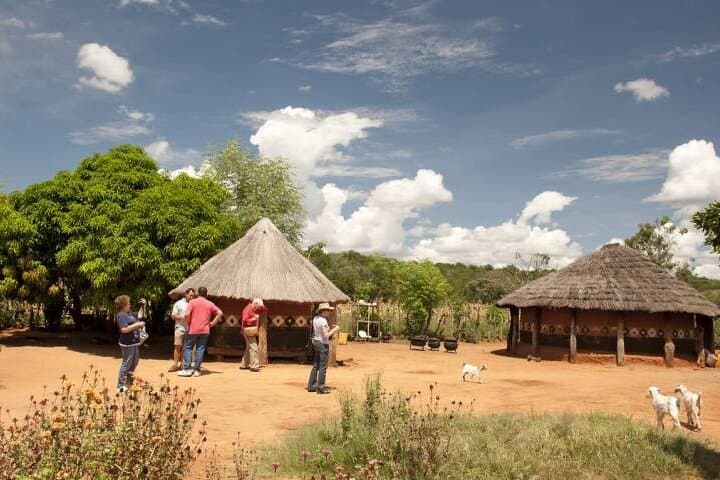
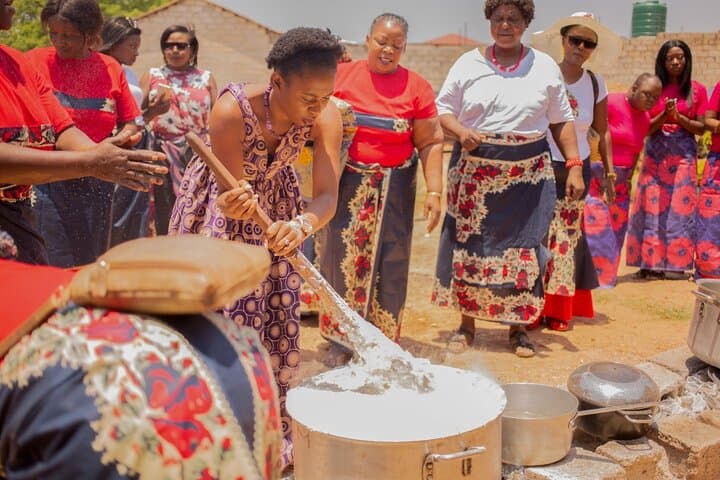
You step off the dusty road into Mukuni Village and the air changes—wood smoke, woven reed roofs, and laughter folding into the steady pulse of the nearby Zambezi. Local guides move with quiet authority, opening doorways of story: clan traditions, ceremonial songs, and cooking methods passed down since the village’s 13th-century founding.
You step off the dusty road into Mukuni Village and the air changes—wood smoke, woven reed roofs, and laughter folding into the steady pulse of the nearby Zambezi. Local guides move with quiet authority, opening doorways of story: clan traditions, ceremonial songs, and cooking methods passed down since the village’s 13th-century founding.
The route then swings into Livingstone town, whose wide streets and colonial-era buildings sit a short drive from Mosi‑oa‑Tunya (the Smokey Water). The Livingstone Museum on Mosi‑oa‑Tunya Road collects those cross-currents: precolonial material culture, missionary-era archives, and exhibits that connect the town to broader regional trade and riverine geology shaped by the Zambezi’s escarpments.
Cultural encounters here are tactile—basket weaving, folklore, market haggling at the town’s long-standing market—rather than performance-only. Guides explain Leya lineage and the practical reasons certain routes and building styles persist, while the river nearby continues to shape local livelihoods and seasonal rhythms.
Practical guidance: this private, half-day itinerary runs about four hours and is suitable for all fitness levels; expect walking on compacted earth and uneven market alleys. Carry local currency for market purchases, sun protection and at least 1 liter of water, and leave bulky bags at your hotel when possible. Museum opening hours can vary; confirm in advance. Modest dress is appreciated in village settings, and small cash tips for guides and artisans are customary. This tour blends close-up cultural learning with grounded logistics—fast, accessible, and rich in local detail.