THE ADVENTURE COLLECTIVE® · Independent discovery and booking for outdoor travel

A private, two-day guided ascent of Mount Fuji from Tokyo that pairs safety-focused guiding with an overnight mountain hut stay and a predawn summit for sunrise. Ideal for travelers who want a paced climb and logistical support back to the city.
A private, two-day guided ascent of Mount Fuji from Tokyo that pairs safety-focused guiding with an overnight mountain hut stay and a predawn summit for sunrise. Ideal for travelers who want a paced climb and logistical support back to the city.
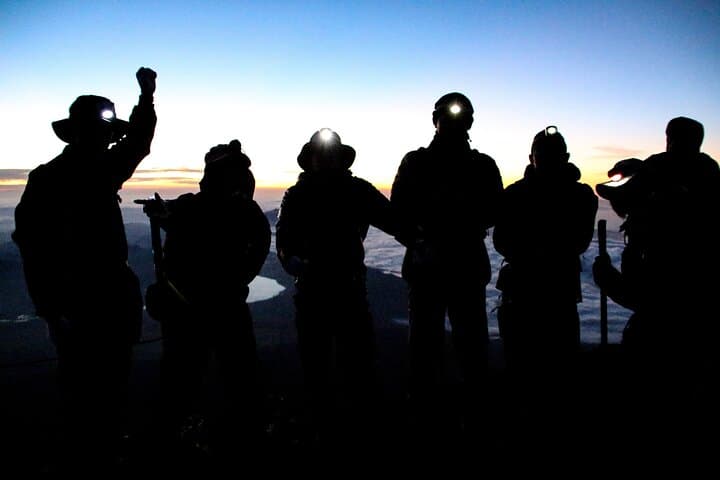
You step out of the van at the 5th Station with the night pressing close and Mount Fuji already breathing above you — the trailhead a ribbon of packed volcanic gravel winding toward a silhouette that will change from black to indigo to gold.
Verified experiences and guided adventures in the surrounding area.
Operated by アウテック · Fujiyoshida, Yamanashi
You step out of the van at the 5th Station with the night pressing close and Mount Fuji already breathing above you — the trailhead a ribbon of packed volcanic gravel winding toward a silhouette that will change from black to indigo to gold.
Fuji has drawn pilgrims and painters for centuries; its cone is young in geological terms but ancient in cultural weight. The mountain formed from layers of lava and ash and remains an active symbol of Japan’s volcanic vigor. Climbers trace routes once used by Edo-period ascetics, and the summit shrine still marks the mountain’s spiritual significance.
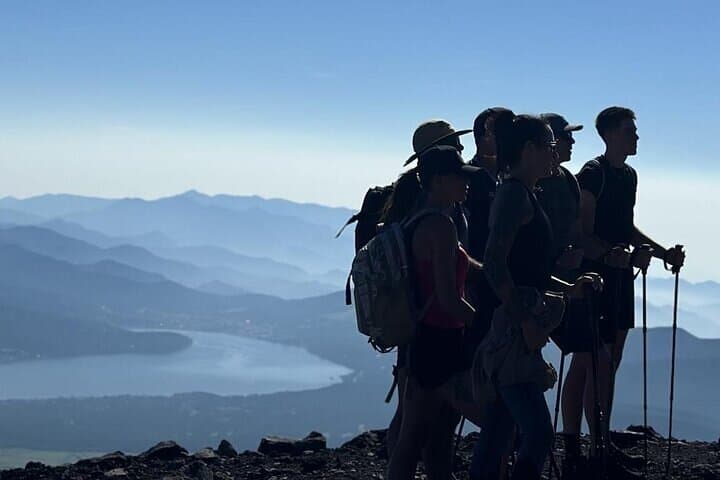
On this private two-day climb you move at your own rhythm, sleeping in a sparse mountain hut between ascents to break the night and align your body with the altitude. The guides supply headlamps, poles and oxygen cans and manage logistics and transport from Tokyo; you bring layered clothing and sturdy boots. Expect loose volcanic scree, steep stair-like sections, and thin air above 3,000 meters — the landscape alternates between wind-swept rock and sudden patches of alpine meadow lower down, where birds and shrubs stake a claim.
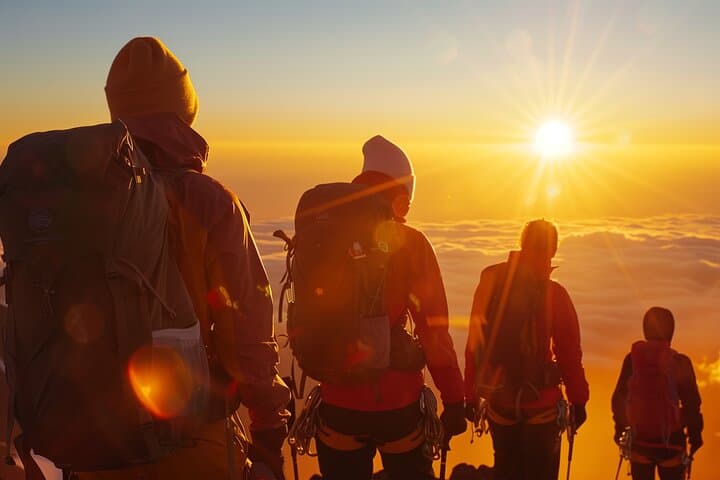
Practical guidance: start hydrating two days prior, carry at least 2–3 liters, pace conservatively on the final push before dawn, and keep warm clothes accessible in the hut. Hut sleeping is tight and rudimentary; temper expectations and bring earplugs. If weather closes in, the guides prioritize safety over summit ambitions. The payoff is precise: watching the sun lift off the Pacific from Fuji’s rim — a hard-earned horizon that makes the climb feel elemental and necessary.
challenging.
2 days (overnight).
Good cardiovascular fitness and experience with sustained uphill hiking are recommended; ability to walk 6–8 hours with elevation gain.
No technical climbing skills are required, but you should be comfortable hiking for several hours with elevation gain and have a moderate to good fitness level.
Private round-trip transport from Tokyo, certified guides, provided headlamps, trekking poles, oxygen cans, bottled water and snacks; hut accommodation fees and the 4,000 yen entrance fee are paid by the customer.
Even in summer nights can dip below freezing at hut elevations; bring insulated layers, hat and gloves for the hut and the summit push.
Guides monitor altitude symptoms and carry oxygen; descend immediately if symptoms worsen — the priority is safety, not reaching the summit.
Mount Fuji has been a site of religious pilgrimage for centuries and was designated a UNESCO World Cultural Heritage site in 2013 for its cultural significance.
Trails and huts operate under strict seasonal controls — stay on maintained paths, pack out waste, and follow hut rules to minimize impact on fragile alpine environments.
アウテック operates guided outdoor trips and adventures with an emphasis on safety, stewardship, and memorable experiences.

You step out of the van at the 5th Station with the night pressing close and Mount Fuji already breathing above you — the trailhead a ribbon of packed volcanic gravel winding toward a silhouette that will change from black to indigo to gold.
You step out of the van at the 5th Station with the night pressing close and Mount Fuji already breathing above you — the trailhead a ribbon of packed volcanic gravel winding toward a silhouette that will change from black to indigo to gold.
Fuji has drawn pilgrims and painters for centuries; its cone is young in geological terms but ancient in cultural weight. The mountain formed from layers of lava and ash and remains an active symbol of Japan’s volcanic vigor. Climbers trace routes once used by Edo-period ascetics, and the summit shrine still marks the mountain’s spiritual significance.
On this private two-day climb you move at your own rhythm, sleeping in a sparse mountain hut between ascents to break the night and align your body with the altitude. The guides supply headlamps, poles and oxygen cans and manage logistics and transport from Tokyo; you bring layered clothing and sturdy boots. Expect loose volcanic scree, steep stair-like sections, and thin air above 3,000 meters — the landscape alternates between wind-swept rock and sudden patches of alpine meadow lower down, where birds and shrubs stake a claim.
Practical guidance: start hydrating two days prior, carry at least 2–3 liters, pace conservatively on the final push before dawn, and keep warm clothes accessible in the hut. Hut sleeping is tight and rudimentary; temper expectations and bring earplugs. If weather closes in, the guides prioritize safety over summit ambitions. The payoff is precise: watching the sun lift off the Pacific from Fuji’s rim — a hard-earned horizon that makes the climb feel elemental and necessary.