THE ADVENTURE COLLECTIVE® · Independent discovery and booking for outdoor travel

Spend a day with a licensed guide exploring the Fuji Five Lakes—Kawaguchiko, Oshino Hakkai, Chureito Pagoda and more—on foot and by public transport. This private, customizable tour pairs volcanic history, shrine culture, and unbeatable Fuji views with practical travel logistics from Tokyo.
Spend a day with a licensed guide exploring the Fuji Five Lakes—Kawaguchiko, Oshino Hakkai, Chureito Pagoda and more—on foot and by public transport. This private, customizable tour pairs volcanic history, shrine culture, and unbeatable Fuji views with practical travel logistics from Tokyo.
You step off the morning train into air that tastes faintly of pine and snowmelt, and Mt. Fuji watches the procession of visitors with a patient, dome-like calm. The day on the Fuji Five Lakes (Fuji Goko) moves between mirror-flat water, cedar-shaded shrine approaches, and low volcanic ridgelines that whisper the mountain’s geologic past.
Verified experiences and guided adventures in the surrounding area.
Operated by Japan Guide Agency · Fujikawaguchiko, Yamanashi
You step off the morning train into air that tastes faintly of pine and snowmelt, and Mt. Fuji watches the procession of visitors with a patient, dome-like calm. The day on the Fuji Five Lakes (Fuji Goko) moves between mirror-flat water, cedar-shaded shrine approaches, and low volcanic ridgelines that whisper the mountain’s geologic past.
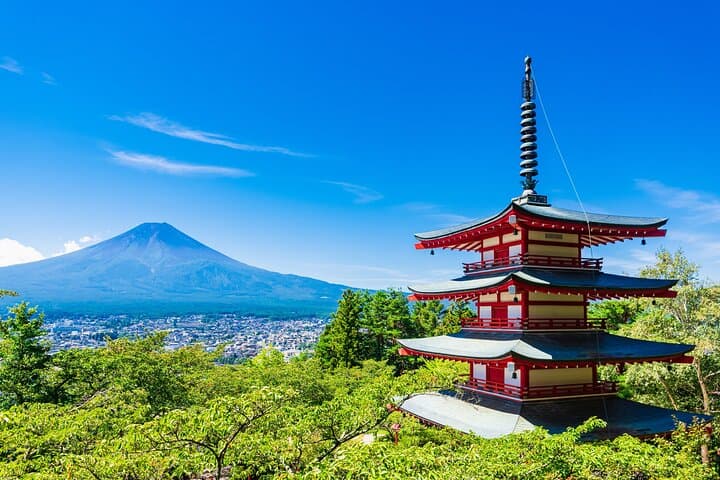
The lakes formed where lava and ash altered drainage and trapped meltwater from the last major eruptions; Fujisan has been venerated for centuries, and shrines like Kitaguchi Hongu Fuji Sengen Jinja mark pilgrimage routes and local ritual. Cultural threads show in simple meals — Houtou noodles served steaming in iron pots — and in red-lacquered pagodas that frame Fuji in postcard-perfect perspective.
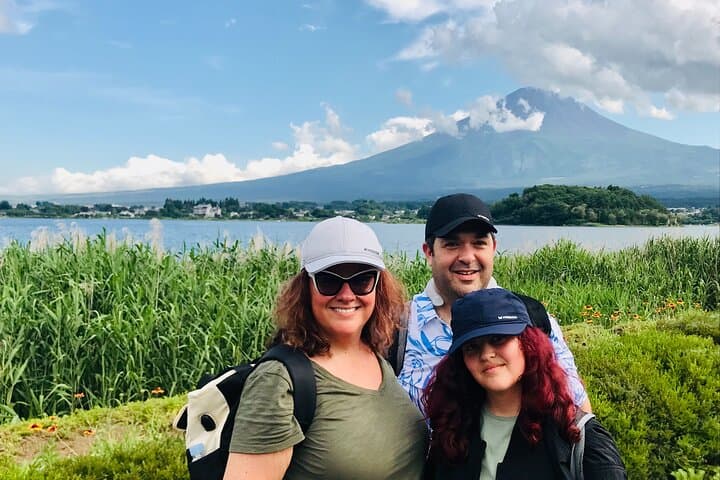
A licensed local guide will tailor 3–4 stops: Kawaguchiko’s lakeshore for reflections, the Mt. Kachi-Kachi ropeway for a broad panorama, Chureito Pagoda for the classic temple-and-mountain shot, and Oshino Hakkai’s spring ponds for water so clear you can read the stones.
Practical notes: this is a walking and public-transport day, so expect periods of easy walking, some paved shrine steps and short trail sections. Start early for the clearest Fuji views; afternoons often bring haze. Carry a compact rain shell and layered clothing — weather changes quickly at the base of an active volcano. Bring cash for small temple offerings, local snacks, and souvenir fruit or wine. With a guide planning transit from Shinjuku or a Tokyo hotel, the day becomes a curated balance of geology, culture and photo-perfect moments.
easy.
10 hours.
Suitable for most fitness levels; involves multiple short walks on paved paths and shrine steps throughout the day.
No private vehicle is provided; the guide will meet you at a designated Tokyo location and plan public train or bus travel to the Five Lakes.
Yes — once booked, your licensed guide will work with you to select 3–4 stops based on interests like photography, shrines, or food.
Meals and individual attraction fees are typically not included; budget for local lunches, ropeway fares, or small museum admissions.
Many areas listed are wheelchair and stroller accessible, but some shrine steps and viewing platforms may have limited access — check with your guide ahead of time.
Mount Fuji has been a site of sacred pilgrimage for centuries; Fuji Sengen shrines and local rituals grew around reverence for the mountain and its volcanic activity.
Spring water clarity and fragile shoreline habitats are protected — stick to paths, avoid feeding wildlife, and carry out trash to minimize impact.
Japan Guide Agency operates guided outdoor trips and adventures with an emphasis on safety, stewardship, and memorable experiences.


You step off the morning train into air that tastes faintly of pine and snowmelt, and Mt. Fuji watches the procession of visitors with a patient, dome-like calm. The day on the Fuji Five Lakes (Fuji Goko) moves between mirror-flat water, cedar-shaded shrine approaches, and low volcanic ridgelines that whisper the mountain’s geologic past.
You step off the morning train into air that tastes faintly of pine and snowmelt, and Mt. Fuji watches the procession of visitors with a patient, dome-like calm. The day on the Fuji Five Lakes (Fuji Goko) moves between mirror-flat water, cedar-shaded shrine approaches, and low volcanic ridgelines that whisper the mountain’s geologic past.
The lakes formed where lava and ash altered drainage and trapped meltwater from the last major eruptions; Fujisan has been venerated for centuries, and shrines like Kitaguchi Hongu Fuji Sengen Jinja mark pilgrimage routes and local ritual. Cultural threads show in simple meals — Houtou noodles served steaming in iron pots — and in red-lacquered pagodas that frame Fuji in postcard-perfect perspective.
A licensed local guide will tailor 3–4 stops: Kawaguchiko’s lakeshore for reflections, the Mt. Kachi-Kachi ropeway for a broad panorama, Chureito Pagoda for the classic temple-and-mountain shot, and Oshino Hakkai’s spring ponds for water so clear you can read the stones.
Practical notes: this is a walking and public-transport day, so expect periods of easy walking, some paved shrine steps and short trail sections. Start early for the clearest Fuji views; afternoons often bring haze. Carry a compact rain shell and layered clothing — weather changes quickly at the base of an active volcano. Bring cash for small temple offerings, local snacks, and souvenir fruit or wine. With a guide planning transit from Shinjuku or a Tokyo hotel, the day becomes a curated balance of geology, culture and photo-perfect moments.