THE ADVENTURE COLLECTIVE® · Independent discovery and booking for outdoor travel

Spend a tailored day from Tokyo exploring Mt. Fuji’s most photogenic viewpoints—Chureito Pagoda, Lake Kawaguchiko, and the clear springs of Oshino Hakkai—by private vehicle with an English‑speaking driver. This paced tour balances cultural stops, short walks, and scenic overlooks.
Spend a tailored day from Tokyo exploring Mt. Fuji’s most photogenic viewpoints—Chureito Pagoda, Lake Kawaguchiko, and the clear springs of Oshino Hakkai—by private vehicle with an English‑speaking driver. This paced tour balances cultural stops, short walks, and scenic overlooks.
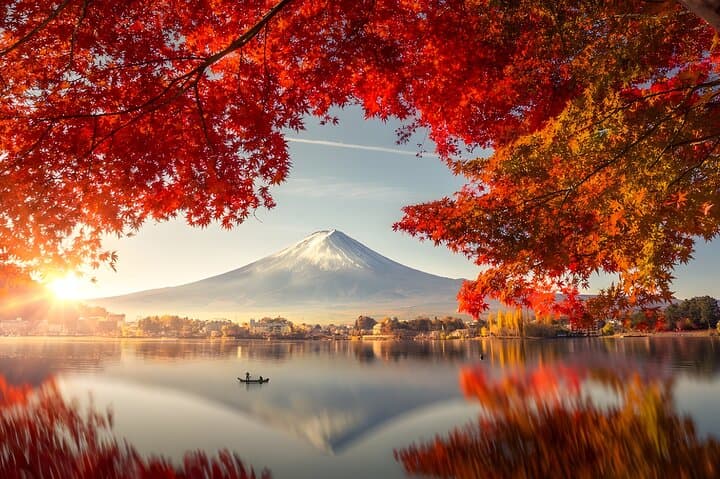
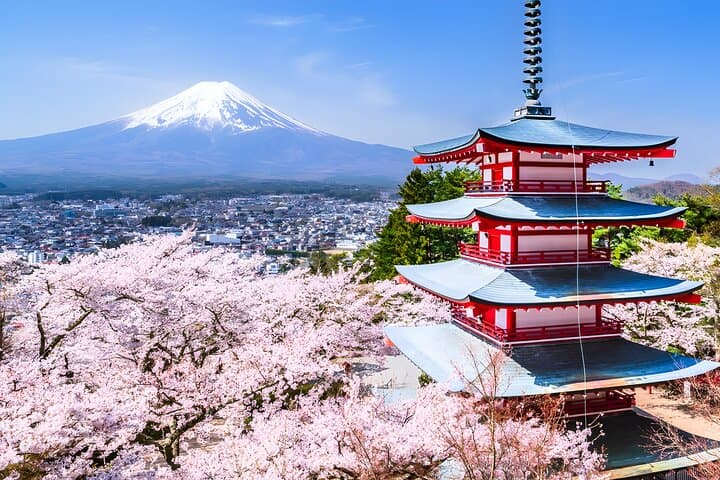
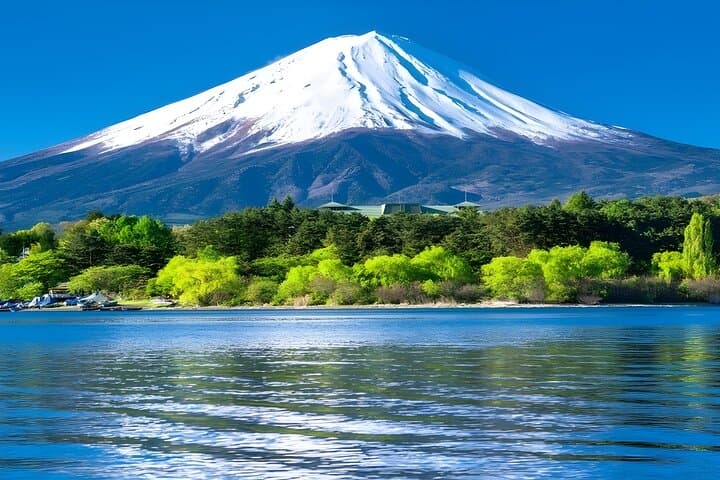
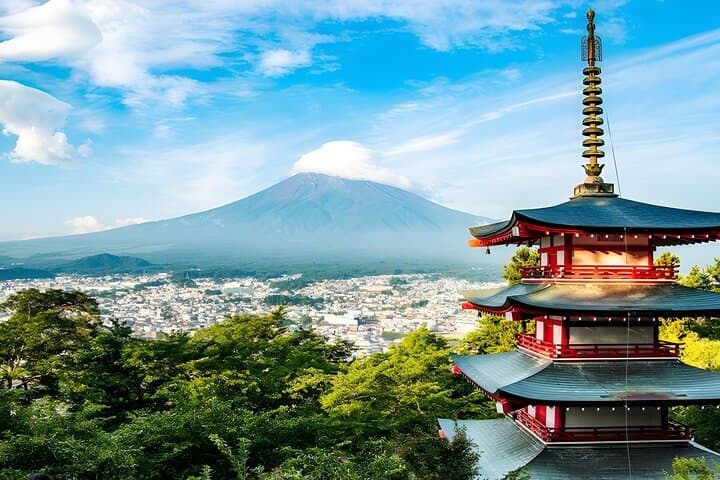
A cold wind off the lake pushes through the pines as your private vehicle eases up the road toward the Chureito Pagoda. You step out onto a terrace of stone steps; Fuji rises behind it—an enormous, mute companion that changes expression with every patch of cloud. The day unfolds as a paced loop: mirror‑clear ponds at Oshino Hakkai, a lakeside walk at Kawaguchiko, and the ropeway that carries you above firs and picnic fields to an observation deck where the volcano dominates the horizon.
Verified experiences and guided adventures in the surrounding area.
Operated by Discover Sakura Japan · Fujikawaguchiko, Yamanashi
A cold wind off the lake pushes through the pines as your private vehicle eases up the road toward the Chureito Pagoda. You step out onto a terrace of stone steps; Fuji rises behind it—an enormous, mute companion that changes expression with every patch of cloud. The day unfolds as a paced loop: mirror‑clear ponds at Oshino Hakkai, a lakeside walk at Kawaguchiko, and the ropeway that carries you above firs and picnic fields to an observation deck where the volcano dominates the horizon.
This part of Yamanashi sits on volcanic bedrock laid down by repeated eruptions; the meltwater that feeds the Oshino springs filters through porous lava for decades, giving the ponds their famously pure clarity. The region’s shrines—Kitaguchi Hongu Fuji Sengen and the Chureito Pagoda—reflect centuries of local reverence for Fuji as both geological force and cultural symbol; the area became part of a UNESCO World Cultural Heritage site in 2013.
Expect a mix of short walks and easy steps rather than long hikes—the 10‑hour private tour is driven, with time to photograph, taste local snacks, and visit traditional thatched houses at Nenba. Practical planning: bring layers for mountain wind, cash for ropeway or shrine donations, and a camera with a wide lens for framed views of Fuji. Morning or late afternoon windows increase the chance of clear vistas and avoid the thickest tourist crowds. The private driver format makes the itinerary flexible—ask to swap in Shiraito Falls or Gotemba Outlets if you prefer waterfalls or shopping.
easy.
10 hours.
Accessible to most travelers who can manage short stair climbs and brief walks; minimal continuous exertion required.
Typical round‑trip timing is about 10 hours including pickup and drop‑off; the private driver will collect you from any Tokyo hotel listed at booking.
Admission and ropeway tickets are generally not included—bring cash or check with the operator in advance to add optional tickets to your itinerary.
Yes; the private format allows changes to stops like Shiraito Falls, Gotemba Outlets, or extra time at a village, subject to timing and road conditions.
Yes—short walks and vehicle access make it family friendly, but note that some viewpoints involve steps (e.g., Chureito Pagoda) which may be steep for limited mobility.
Mount Fuji has been venerated for centuries; local shrines and pilgrimage routes contributed to its 2013 inscription as a UNESCO World Cultural Heritage site for its spiritual and cultural landscape.
Visitor pressure on lakeshores and shrine areas is monitored—stick to paths, avoid feeding wildlife, and follow local signage to protect fragile spring sources.
Discover Sakura Japan operates guided outdoor trips and adventures with an emphasis on safety, stewardship, and memorable experiences.
A cold wind off the lake pushes through the pines as your private vehicle eases up the road toward the Chureito Pagoda. You step out onto a terrace of stone steps; Fuji rises behind it—an enormous, mute companion that changes expression with every patch of cloud. The day unfolds as a paced loop: mirror‑clear ponds at Oshino Hakkai, a lakeside walk at Kawaguchiko, and the ropeway that carries you above firs and picnic fields to an observation deck where the volcano dominates the horizon.
A cold wind off the lake pushes through the pines as your private vehicle eases up the road toward the Chureito Pagoda. You step out onto a terrace of stone steps; Fuji rises behind it—an enormous, mute companion that changes expression with every patch of cloud. The day unfolds as a paced loop: mirror‑clear ponds at Oshino Hakkai, a lakeside walk at Kawaguchiko, and the ropeway that carries you above firs and picnic fields to an observation deck where the volcano dominates the horizon.
This part of Yamanashi sits on volcanic bedrock laid down by repeated eruptions; the meltwater that feeds the Oshino springs filters through porous lava for decades, giving the ponds their famously pure clarity. The region’s shrines—Kitaguchi Hongu Fuji Sengen and the Chureito Pagoda—reflect centuries of local reverence for Fuji as both geological force and cultural symbol; the area became part of a UNESCO World Cultural Heritage site in 2013.
Expect a mix of short walks and easy steps rather than long hikes—the 10‑hour private tour is driven, with time to photograph, taste local snacks, and visit traditional thatched houses at Nenba. Practical planning: bring layers for mountain wind, cash for ropeway or shrine donations, and a camera with a wide lens for framed views of Fuji. Morning or late afternoon windows increase the chance of clear vistas and avoid the thickest tourist crowds. The private driver format makes the itinerary flexible—ask to swap in Shiraito Falls or Gotemba Outlets if you prefer waterfalls or shopping.