THE ADVENTURE COLLECTIVE® · Independent discovery and booking for outdoor travel

A private van lets you shape a full-day Mt. Fuji itinerary from Tokyo — lake reflections, a high-elevation viewpoint at the 5th Station, and optional stops in Hakone or Kawaguchi. Expect flexible timing, layered weather, and many photo opportunities.
A private van lets you shape a full-day Mt. Fuji itinerary from Tokyo — lake reflections, a high-elevation viewpoint at the 5th Station, and optional stops in Hakone or Kawaguchi. Expect flexible timing, layered weather, and many photo opportunities.
You step out of the city haze as the van eases onto the expressway, and Mt. Fuji looms ahead — a cool, deliberate presence that seems to watch the road. The day unfolds as a sequence of frames: mirror-flat reflections on Kawaguchi Lake, the tidy red roof of a lakeside café, and the high, forested shoulder of Fuji’s cone as you climb toward the 5th Station.
Verified experiences and guided adventures in the surrounding area.
Operated by Travel Japan Together Tokyo · Fujikawaguchiko, Yamanashi
You step out of the city haze as the van eases onto the expressway, and Mt. Fuji looms ahead — a cool, deliberate presence that seems to watch the road. The day unfolds as a sequence of frames: mirror-flat reflections on Kawaguchi Lake, the tidy red roof of a lakeside café, and the high, forested shoulder of Fuji’s cone as you climb toward the 5th Station.
Geologically, Fuji is a young stratovolcano built from repeated eruptions; its symmetrical profile changes with each layer of lava and ash. Culturally it’s been a pilgrimage site for centuries and earned UNESCO recognition for its role in Japanese art and religion. Around the lakes and in nearby Hakone you’ll find onsen, small museums, and seasonal flower displays that speak to local rhythms more than tourist spectacle.
Expect a flexible pace: photo stops, a short walk along the lakefront, and time at a 5th Station viewpoint where the mountain feels immediate and the air thins. The guide handles logistics — parking, timing, and local context — while you decide whether to stretch legs, try a short nature trail, or sip matcha with a view.
Practicalities: allow ten hours for a full round-trip from Tokyo, bring layered clothing for sudden temperature shifts, and carry water and a camera. Roads can be busy on weekends and weather at altitude changes fast, so build buffer time into your schedule. This is a day for gradual revelation — the peak doesn’t reveal itself all at once; it waits, then gives you the view.
easy.
10 hours.
Accessible to most travelers; minimal walking required but expect short walks on uneven ground at viewpoints
The standard meeting point is in front of Tokyo Station; the van returns there at the end of the day unless alternate pickup was arranged.
This private day tour can reach the 5th Station but does not include a summit climb; summit attempts require overnight planning and are limited to the official climbing season (typically July–early September).
Yes — stops include lakeside facilities, service areas, and cafes in Hakone or Kawaguchi depending on your chosen route.
The tour is family-friendly and transport is wheelchair accessible, but accessibility at specific viewpoints or trailheads can vary — check in advance for locations you want to visit.
Mount Fuji is both a sacred mountain and an artistic icon; pilgrims and painters have venerated its form for centuries, and it was inscribed as a UNESCO cultural site for that cultural landscape.
Visitor numbers are managed seasonally and climbers are asked to carry out trash; stay on designated paths and use established restrooms to minimize impact.
Travel Japan Together Tokyo operates guided outdoor trips and adventures with an emphasis on safety, stewardship, and memorable experiences.
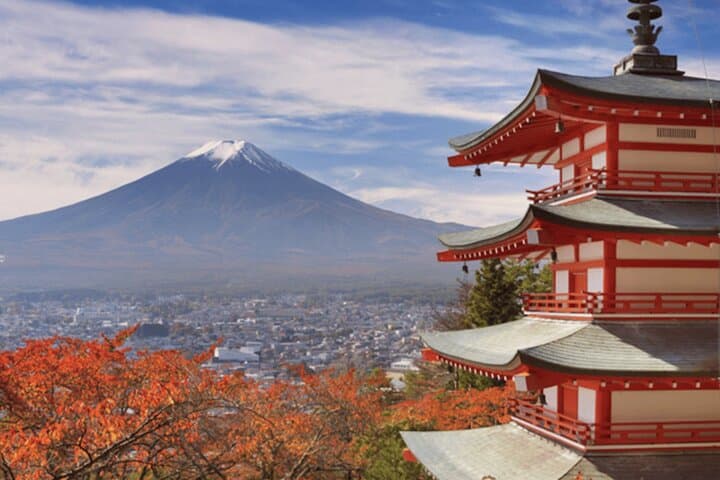
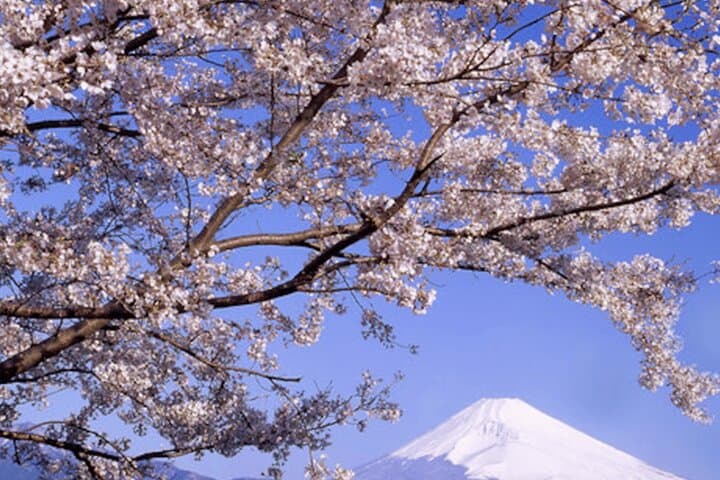
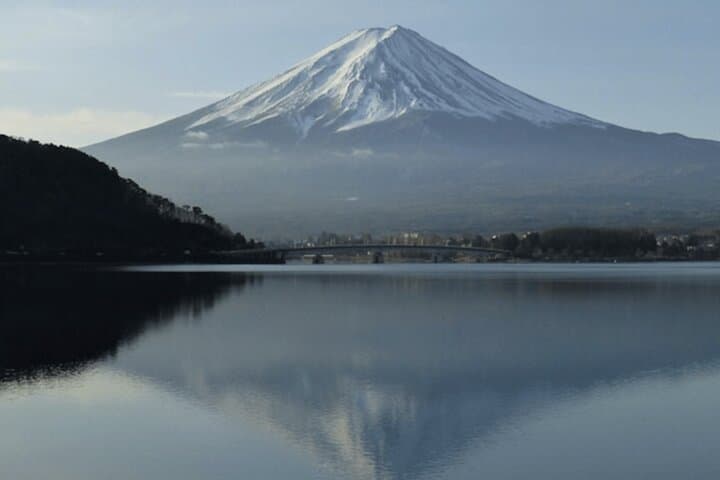
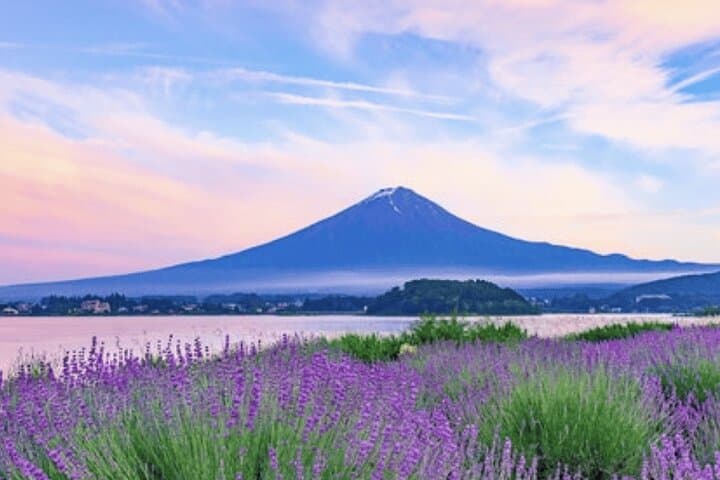
You step out of the city haze as the van eases onto the expressway, and Mt. Fuji looms ahead — a cool, deliberate presence that seems to watch the road. The day unfolds as a sequence of frames: mirror-flat reflections on Kawaguchi Lake, the tidy red roof of a lakeside café, and the high, forested shoulder of Fuji’s cone as you climb toward the 5th Station.
You step out of the city haze as the van eases onto the expressway, and Mt. Fuji looms ahead — a cool, deliberate presence that seems to watch the road. The day unfolds as a sequence of frames: mirror-flat reflections on Kawaguchi Lake, the tidy red roof of a lakeside café, and the high, forested shoulder of Fuji’s cone as you climb toward the 5th Station.
Geologically, Fuji is a young stratovolcano built from repeated eruptions; its symmetrical profile changes with each layer of lava and ash. Culturally it’s been a pilgrimage site for centuries and earned UNESCO recognition for its role in Japanese art and religion. Around the lakes and in nearby Hakone you’ll find onsen, small museums, and seasonal flower displays that speak to local rhythms more than tourist spectacle.
Expect a flexible pace: photo stops, a short walk along the lakefront, and time at a 5th Station viewpoint where the mountain feels immediate and the air thins. The guide handles logistics — parking, timing, and local context — while you decide whether to stretch legs, try a short nature trail, or sip matcha with a view.
Practicalities: allow ten hours for a full round-trip from Tokyo, bring layered clothing for sudden temperature shifts, and carry water and a camera. Roads can be busy on weekends and weather at altitude changes fast, so build buffer time into your schedule. This is a day for gradual revelation — the peak doesn’t reveal itself all at once; it waits, then gives you the view.