THE ADVENTURE COLLECTIVE® · Independent discovery and booking for outdoor travel

Swap Tokyo's skyline for a day beneath Mount Fuji's broad cone. This private 6‑hour tour links the 5th Station, Kawaguchiko's reflective shores, historic Sengen shrines, and cool lava caves into a single accessible itinerary.
Swap Tokyo's skyline for a day beneath Mount Fuji's broad cone. This private 6‑hour tour links the 5th Station, Kawaguchiko's reflective shores, historic Sengen shrines, and cool lava caves into a single accessible itinerary.
You arrive to the silhouette of Mount Fuji like someone approaching an old, exacting friend: broad base folded into forest, summit sometimes veiled in cloud. On a private day tour from Tokyo you trade the city grid for mountain road—stops at a 2,300-meter 5th Station, mirror-still Lake Kawaguchiko, and a scatter of shrines and villages that show Fuji's human history.
Verified experiences and guided adventures in the surrounding area.
Operated by Thetokyotravel.com · Fujikawaguchiko, Yamanashi
You arrive to the silhouette of Mount Fuji like someone approaching an old, exacting friend: broad base folded into forest, summit sometimes veiled in cloud. On a private day tour from Tokyo you trade the city grid for mountain road—stops at a 2,300-meter 5th Station, mirror-still Lake Kawaguchiko, and a scatter of shrines and villages that show Fuji's human history.
Geology and culture sit side by side here. Fuji is a stratovolcano whose layers of ash and lava shaped the surrounding lakes and created lava tubes such as the Wind Cave; the cave interior stays near 3°C year-round. Shrines like Kitaguchi Hongu Fuji Sengen have guided pilgrims to these slopes for centuries—the main hall at Fujiyoshida dates to the early 1600s—while restored farmhouses at Saiko Iyashi no Sato portray rural life beneath the cone.
Expect paved viewpoints, short riverside promenades, calm park paths, and cave steps that demand steady footing. Drives between points are typically 20–40 minutes; the full loop fits into a six-hour private itinerary. Photographers time visits for early light on Kawaguchiko’s north shore, when reflections form if winds cooperate.
Practical pointers: bring layers for rapid temperature change from lake (~800–900 m) to the 5th Station (~2,300 m), carry water and sun protection, and wear shoes suited for walking on mixed surfaces. Respect shrine etiquette—bow at the entrance and avoid loud behavior—and give caves and forest habitats space to breathe. This is a compact, accessible way to experience Mount Fuji’s geology, history, and lakeside scenery in one decisive day.
easy.
6 hours.
Minimal fitness required—suitable for most travelers who can walk short distances and climb steps.
The private tour runs about six hours and typically includes the Mt. Fuji 5th Station, Oshino Hakkai ponds, Kitaguchi Hongu Fuji Sengen Shrine, Lake Kawaguchiko and Oishi Park, Saiko Iyashi no Sato, and the Wind and Ice Caves, with transport between sites.
The 5th Station sits near 2,300 m; most visitors feel mild breathlessness at most but should move slowly, stay hydrated, and avoid strenuous exertion there.
Yes—this itinerary is stroller accessible in many areas but expect steps at shrines and uneven surfaces in villages and caves.
The tour operates in varied weather; views can be obscured by clouds—refund/cancellation policies require 24+ hours for full refund, and the operator may continue with alternative stops if Fuji is hidden.
Shrines around Fuji, such as Kitaguchi Hongu Fuji Sengen, acted as starting points for northern pilgrimages; surviving buildings include structures from the early 1600s.
Visitors are asked to stay on marked paths, pack out waste, and avoid disturbing cave formations and forest undergrowth to protect fragile volcanic and cultural sites.
Thetokyotravel.com operates guided outdoor trips and adventures with an emphasis on safety, stewardship, and memorable experiences.
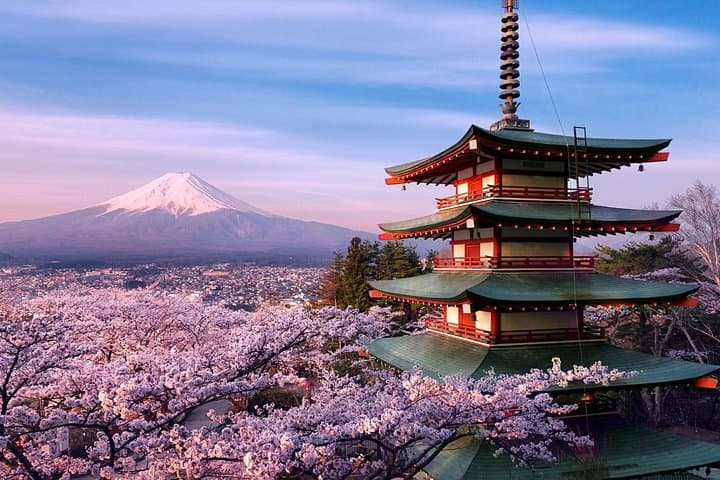
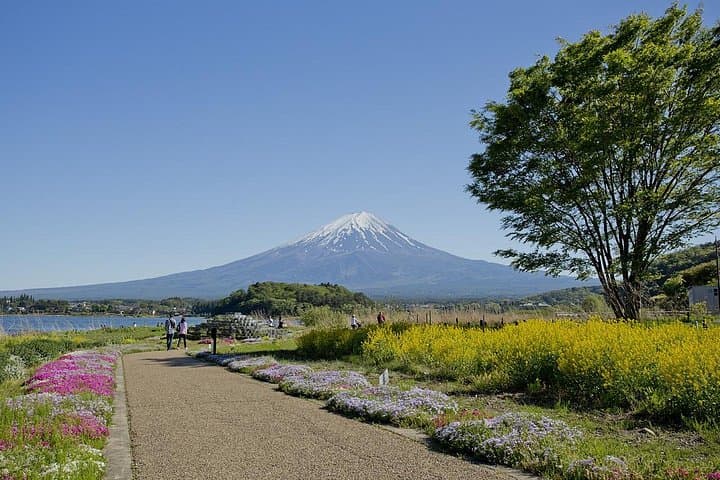
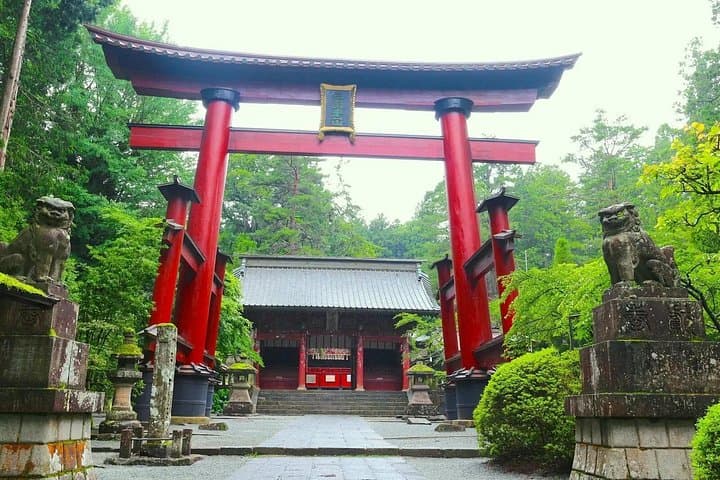
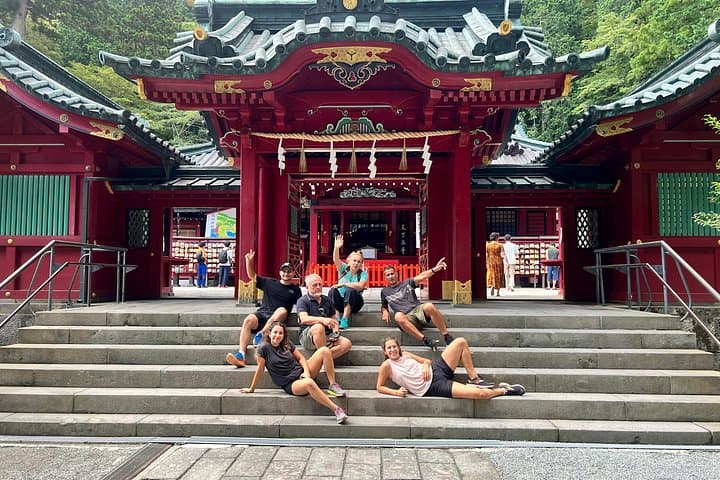
You arrive to the silhouette of Mount Fuji like someone approaching an old, exacting friend: broad base folded into forest, summit sometimes veiled in cloud. On a private day tour from Tokyo you trade the city grid for mountain road—stops at a 2,300-meter 5th Station, mirror-still Lake Kawaguchiko, and a scatter of shrines and villages that show Fuji's human history.
You arrive to the silhouette of Mount Fuji like someone approaching an old, exacting friend: broad base folded into forest, summit sometimes veiled in cloud. On a private day tour from Tokyo you trade the city grid for mountain road—stops at a 2,300-meter 5th Station, mirror-still Lake Kawaguchiko, and a scatter of shrines and villages that show Fuji's human history.
Geology and culture sit side by side here. Fuji is a stratovolcano whose layers of ash and lava shaped the surrounding lakes and created lava tubes such as the Wind Cave; the cave interior stays near 3°C year-round. Shrines like Kitaguchi Hongu Fuji Sengen have guided pilgrims to these slopes for centuries—the main hall at Fujiyoshida dates to the early 1600s—while restored farmhouses at Saiko Iyashi no Sato portray rural life beneath the cone.
Expect paved viewpoints, short riverside promenades, calm park paths, and cave steps that demand steady footing. Drives between points are typically 20–40 minutes; the full loop fits into a six-hour private itinerary. Photographers time visits for early light on Kawaguchiko’s north shore, when reflections form if winds cooperate.
Practical pointers: bring layers for rapid temperature change from lake (~800–900 m) to the 5th Station (~2,300 m), carry water and sun protection, and wear shoes suited for walking on mixed surfaces. Respect shrine etiquette—bow at the entrance and avoid loud behavior—and give caves and forest habitats space to breathe. This is a compact, accessible way to experience Mount Fuji’s geology, history, and lakeside scenery in one decisive day.