THE ADVENTURE COLLECTIVE® · Independent discovery and booking for outdoor travel

A private half-day exploring Shimizu’s seaside viewpoints, shrines, teahouses and a sake brewery that reveal Mt. Fuji’s cultural and geological influence. Ideal for cruise passengers seeking a compact, guided immersion into regional customs, food, and spring water traditions.
A private half-day exploring Shimizu’s seaside viewpoints, shrines, teahouses and a sake brewery that reveal Mt. Fuji’s cultural and geological influence. Ideal for cruise passengers seeking a compact, guided immersion into regional customs, food, and spring water traditions.
You step onto a long black-sand shore where wind and sea line up a clear axis toward Mt. Fuji. Pines frame the beach; on good days the cone sits like a quiet guardian beyond Suruga Bay. Even if clouded, the mountain’s presence is felt in the cold spray, in the spring water that runs clear through volcanic stone, and in the low voices of shrines dotting the route.
Verified experiences and guided adventures in the surrounding area.
Operated by Shimizu Port Shore Excursion: Private Mt. Fuji ”Soul" Tour · Shimizu (Shizuoka), Shizuoka Prefecture
You step onto a long black-sand shore where wind and sea line up a clear axis toward Mt. Fuji. Pines frame the beach; on good days the cone sits like a quiet guardian beyond Suruga Bay. Even if clouded, the mountain’s presence is felt in the cold spray, in the spring water that runs clear through volcanic stone, and in the low voices of shrines dotting the route.
This private, half-day tour moves between coastal viewpoints, cedar groves, a historic shrine, a two-century-old brewery and a neighborhood teahouse. The route traces human responses to Fuji across centuries: Sengen shrines that formalized worship of the mountain, local breweries built where snowmelt produces soft water, and seaside paths that inspired Edo-era artists. Geologically, the area is defined by volcanic deposits and porous basalt that filter snowmelt into the aquifer—those same springs feed local tea and sake.
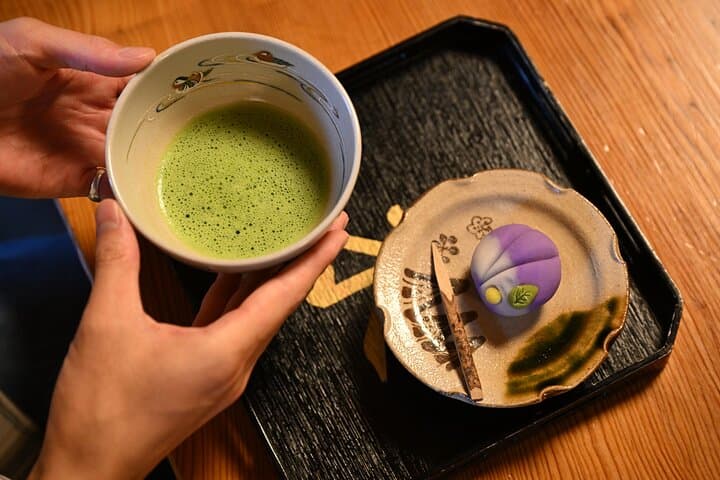
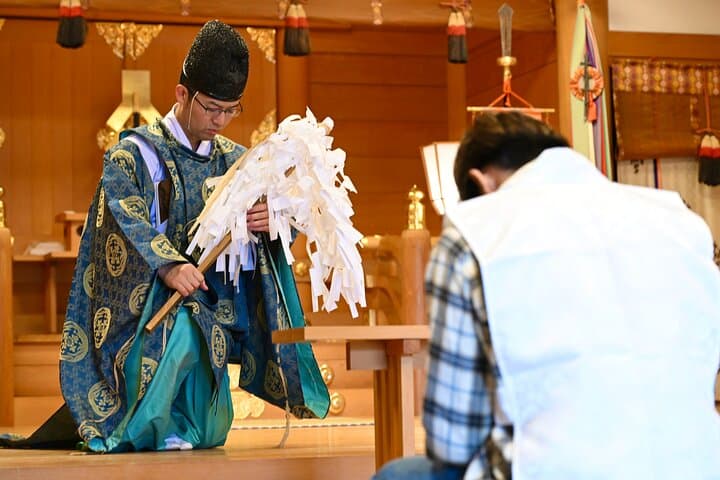
Culturally the day focuses on small, tactile experiences: a short ritual at the prayer hall, a matcha tasting in a garden teahouse, a Fujinomiya-style yakisoba lunch, and optional kimono dressing or a calligraphy mini-workshop. Guides explain etiquette—how to purify and move respectfully—and practical tips for photography and pacing.
Plan for 5–6 hours of mostly flat walking and short indoor visits. Wear comfortable shoes, bring a lightweight jacket (coastal wind can be brisk), and carry small cash for optional purchases. If Fuji is hidden, the food, water, and shrines still tell the region’s story—this is an accessible cultural immersion that places the mountain at the center even when you can’t see it.
easy.
5–6 hours.
Suitable for travelers in normal physical condition; involves short flat walks and standing during brief demonstrations.
The tour is designed to work with or without a view; guides shift focus to cultural sites, water sources, and local cuisine that explain Fuji’s influence.
The tour accommodates 1–5 guests per booking; larger parties may be possible by booking multiple slots—check availability in advance.
Private door-to-door transport with a driver is included—specify your pickup point and port arrival details when booking.
Yes—inform the operator at booking about allergies or preferences; most local eateries can adjust portions or provide alternatives with prior notice.
For over a millennium locals have worshiped Fuji through Sengen shrines; the area’s breweries and tea houses grew around reliable spring water from the mountain’s aquifer.
Visitors are asked to follow shrine rules and stick to paths to protect fragile pine roots and spring sources; support small local producers to help sustain traditional practices.
Shimizu Port Shore Excursion: Private Mt. Fuji ”Soul" Tour operates guided outdoor trips and adventures with an emphasis on safety, stewardship, and memorable experiences.


You step onto a long black-sand shore where wind and sea line up a clear axis toward Mt. Fuji. Pines frame the beach; on good days the cone sits like a quiet guardian beyond Suruga Bay. Even if clouded, the mountain’s presence is felt in the cold spray, in the spring water that runs clear through volcanic stone, and in the low voices of shrines dotting the route.
You step onto a long black-sand shore where wind and sea line up a clear axis toward Mt. Fuji. Pines frame the beach; on good days the cone sits like a quiet guardian beyond Suruga Bay. Even if clouded, the mountain’s presence is felt in the cold spray, in the spring water that runs clear through volcanic stone, and in the low voices of shrines dotting the route.
This private, half-day tour moves between coastal viewpoints, cedar groves, a historic shrine, a two-century-old brewery and a neighborhood teahouse. The route traces human responses to Fuji across centuries: Sengen shrines that formalized worship of the mountain, local breweries built where snowmelt produces soft water, and seaside paths that inspired Edo-era artists. Geologically, the area is defined by volcanic deposits and porous basalt that filter snowmelt into the aquifer—those same springs feed local tea and sake.
Culturally the day focuses on small, tactile experiences: a short ritual at the prayer hall, a matcha tasting in a garden teahouse, a Fujinomiya-style yakisoba lunch, and optional kimono dressing or a calligraphy mini-workshop. Guides explain etiquette—how to purify and move respectfully—and practical tips for photography and pacing.
Plan for 5–6 hours of mostly flat walking and short indoor visits. Wear comfortable shoes, bring a lightweight jacket (coastal wind can be brisk), and carry small cash for optional purchases. If Fuji is hidden, the food, water, and shrines still tell the region’s story—this is an accessible cultural immersion that places the mountain at the center even when you can’t see it.