THE ADVENTURE COLLECTIVE® · Independent discovery and booking for outdoor travel

A full-day private drive from Tokyo through the Fuji Five Lakes: panoramic viewpoints, the iconic Chureito Pagoda, Oshino Hakkai’s spring-fed ponds, and a local houtou lunch. Ideal for photographers, culture-seekers, and anyone wanting close-up views of Mount Fuji.
A full-day private drive from Tokyo through the Fuji Five Lakes: panoramic viewpoints, the iconic Chureito Pagoda, Oshino Hakkai’s spring-fed ponds, and a local houtou lunch. Ideal for photographers, culture-seekers, and anyone wanting close-up views of Mount Fuji.
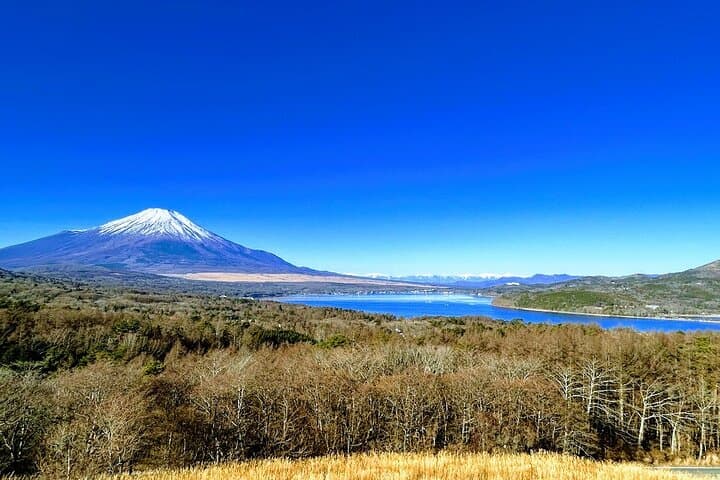
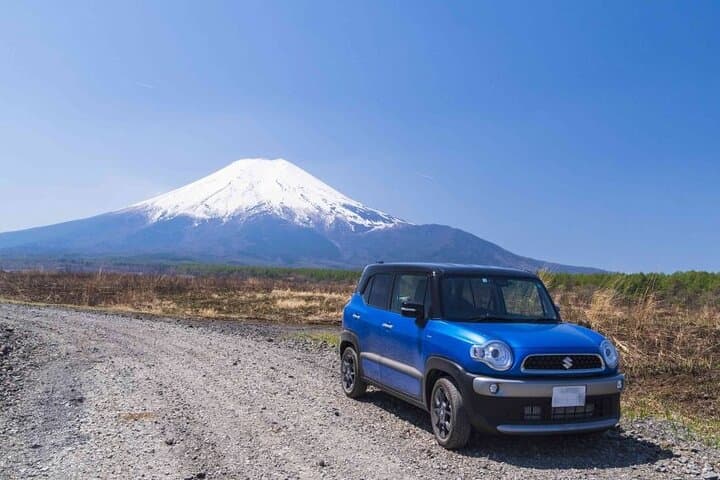
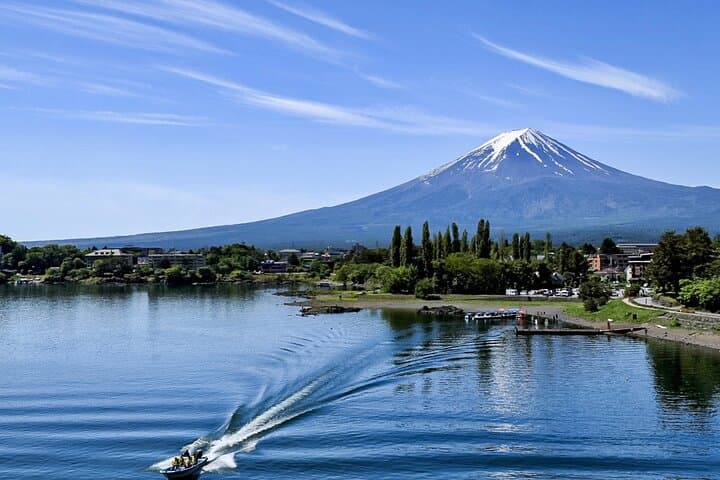
You leave Tokyo before dawn, the city lights shrinking as the highway unspools toward the mountain. By midmorning the car climbs into the Fuji Five Lakes region and Mount Fuji fills the windshield — a clean cone against the sky. Panorama Dai and Chureito Pagoda frame different faces of the peak; at Oishi Park the water of Lake Kawaguchi dares you to linger and look back.
Verified experiences and guided adventures in the surrounding area.
Operated by Japan Magic Tours · Fujikawaguchiko, Yamanashi Prefecture
You leave Tokyo before dawn, the city lights shrinking as the highway unspools toward the mountain. By midmorning the car climbs into the Fuji Five Lakes region and Mount Fuji fills the windshield — a clean cone against the sky. Panorama Dai and Chureito Pagoda frame different faces of the peak; at Oishi Park the water of Lake Kawaguchi dares you to linger and look back.
Geology and history are close at hand: Fuji is a stratovolcano whose last major eruption, the Hoei eruption, coated surrounding plains in 1707. For centuries it has been a cultural landmark — a subject of pilgrimage, woodblock prints, and modern tourism — and was registered as a UNESCO World Heritage cultural site in 2013 for its spiritual and artistic influence.
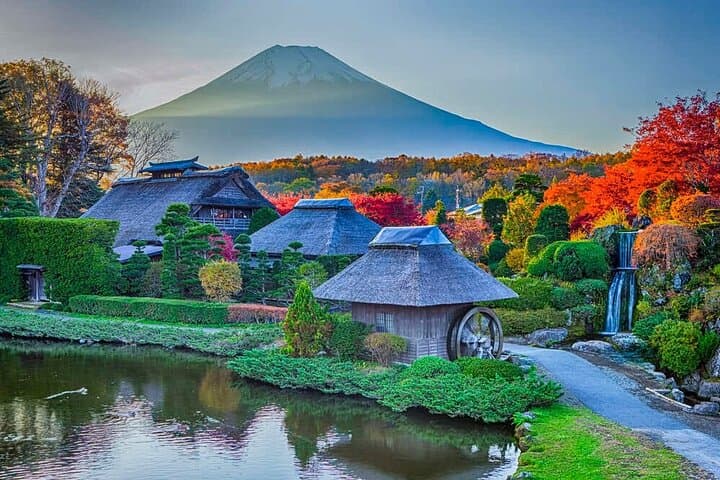
The tour stitches together viewpoints (Panorama Dai), the reflective ponds of Oshino Hakkai, the broad surface of Yamanakako, and the climb to Chureito Pagoda’s overlook. Lunch at Houtou Futo introduces you to houtou, a hearty miso noodle soup local to Yamanashi, and Oishi Park offers seasonal flower displays and local produce at the Kawaguchiko Natural Living Center.
Practical guidance: start early for the clearest views, dress in layers (weather changes fast near the mountain), and carry cash for small vendors. Expect short walks and stair climbs — comfortable shoes are sufficient. Roadside visibility can shift with clouds and winter cold often delivers the clearest photographs; plan your timing accordingly.
easy.
8–11 hours.
Suitable for people who can handle several short walks and stair climbs; no special fitness required
No — this is a sightseeing day trip with short walks and viewpoints; climbing Fuji is a separate, multi-day effort usually done in July–August.
Yes — the tour lists language-capable guides and can arrange lunch options if you note allergies or restrictions at booking.
Yes — private drives operate year-round, but visibility and weather vary by season; winter often gives the clearest views while summer can be hazy.
Pick-up points are typically in Tokyo; you’ll provide a preferred pickup location when booking and the operator confirms details.
Mount Fuji has been a spiritual and artistic symbol for centuries, attracting pilgrims and inspiring ukiyo-e prints; it was designated a UNESCO World Heritage cultural site in 2013.
Visitor pressure can strain small communities; stick to paths, avoid littering, and support local food stalls and artisans to keep the region economically resilient.
Japan Magic Tours operates guided outdoor trips and adventures with an emphasis on safety, stewardship, and memorable experiences.
You leave Tokyo before dawn, the city lights shrinking as the highway unspools toward the mountain. By midmorning the car climbs into the Fuji Five Lakes region and Mount Fuji fills the windshield — a clean cone against the sky. Panorama Dai and Chureito Pagoda frame different faces of the peak; at Oishi Park the water of Lake Kawaguchi dares you to linger and look back.
You leave Tokyo before dawn, the city lights shrinking as the highway unspools toward the mountain. By midmorning the car climbs into the Fuji Five Lakes region and Mount Fuji fills the windshield — a clean cone against the sky. Panorama Dai and Chureito Pagoda frame different faces of the peak; at Oishi Park the water of Lake Kawaguchi dares you to linger and look back.
Geology and history are close at hand: Fuji is a stratovolcano whose last major eruption, the Hoei eruption, coated surrounding plains in 1707. For centuries it has been a cultural landmark — a subject of pilgrimage, woodblock prints, and modern tourism — and was registered as a UNESCO World Heritage cultural site in 2013 for its spiritual and artistic influence.
The tour stitches together viewpoints (Panorama Dai), the reflective ponds of Oshino Hakkai, the broad surface of Yamanakako, and the climb to Chureito Pagoda’s overlook. Lunch at Houtou Futo introduces you to houtou, a hearty miso noodle soup local to Yamanashi, and Oishi Park offers seasonal flower displays and local produce at the Kawaguchiko Natural Living Center.
Practical guidance: start early for the clearest views, dress in layers (weather changes fast near the mountain), and carry cash for small vendors. Expect short walks and stair climbs — comfortable shoes are sufficient. Roadside visibility can shift with clouds and winter cold often delivers the clearest photographs; plan your timing accordingly.