THE ADVENTURE COLLECTIVE® · Independent discovery and booking for outdoor travel

Glide from Aswan across the Nile to a traditional Nubian community on a private 2-hour motorboat or felucca trip. Meet a family for tea, learn about Nubian customs with a licensed Egyptologist, and walk village lanes shaded by palms.
Glide from Aswan across the Nile to a traditional Nubian community on a private 2-hour motorboat or felucca trip. Meet a family for tea, learn about Nubian customs with a licensed Egyptologist, and walk village lanes shaded by palms.
The motorboat eases away from Aswan’s Nile edge and the river takes charge — warm air lifting dust from the bank as palm trunks lean in, curious. Within minutes the city gives way to broad water and the small cluster of houses that make up a Nubian village reveals its painted facades and shaded courtyards. A licensed Egyptologist guides the visit, translating stories spilled over steaming cups of tea and pointing to carved door frames and household shrines that map family histories.
Verified experiences and guided adventures in the surrounding area.
Operated by Reflections Travel · Aswan, Aswan Governorate
The motorboat eases away from Aswan’s Nile edge and the river takes charge — warm air lifting dust from the bank as palm trunks lean in, curious. Within minutes the city gives way to broad water and the small cluster of houses that make up a Nubian village reveals its painted facades and shaded courtyards. A licensed Egyptologist guides the visit, translating stories spilled over steaming cups of tea and pointing to carved door frames and household shrines that map family histories.
This short trip threads together geology and culture: you pass the rocky shoals of the First Cataract and glimpse the long shadow of the Aswan Dam, reminders of how the Nile’s moods shaped settlement here. The Nubians — historically called the Land of the Bow for their famed archery — have retained distinct language, crafts and house-painting traditions despite 20th-century resettlement.
Expect easy walking on sandy lanes, welcoming hospitality, and a close view of daily life: rooftop drying racks, clay ovens, and children playing by the water. Interactions are informal but respectful; guides usually arrange tea and a household visit so you can learn about crafts and customs.
Practicalities: the tour runs about two hours with hotel or Nile-cruise pickup, a short motorboat or felucca crossing, and bottled water included. Midday sun is intense — schedule mornings or late afternoons for cooler light and softer photography. Carry small change for local handicrafts, ask permission before photographing people, and leave no trace: the village depends on responsible visitors.
easy.
2 hours.
Suitable for most fitness levels; involves short, easy walks on sandy or uneven village paths.
Yes — the tour includes A/C pickup and return to hotels or Nile cruise boats in Aswan as part of the private transfer.
Either — the operator uses a felucca or motorboat depending on conditions and group preference; both offer short crossings to the village.
The tour notes infant seats are available and is classified as physically easy, but expect some uneven ground in the village and a small boat transfer which may be challenging for some mobility limitations.
A bottle of water is included and hosts typically serve Nubian tea during the household visit; bring snacks if you have dietary needs.
Nubia — historically called the Land of the Bow for its archers — has a deep cultural continuity along the Nile; the First Cataract near Aswan marks a long human presence and historic trade routes.
Visitors should minimize plastic use, avoid leaving litter in village lanes, and support local artisans directly to ensure tourism benefits residents.
Reflections Travel operates guided outdoor trips and adventures with an emphasis on safety, stewardship, and memorable experiences.
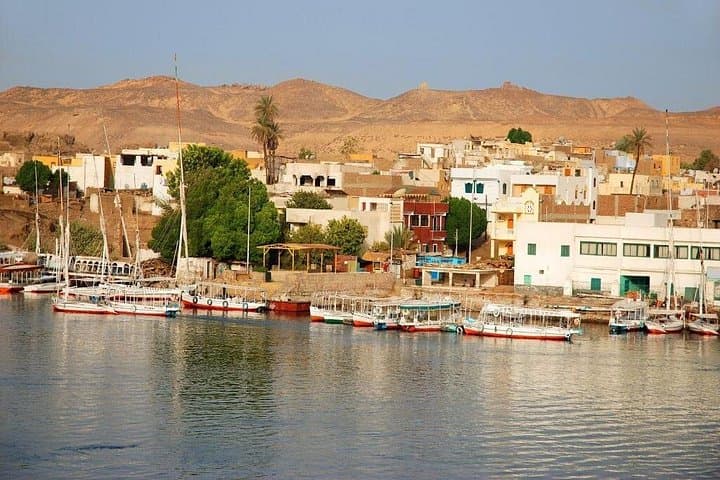
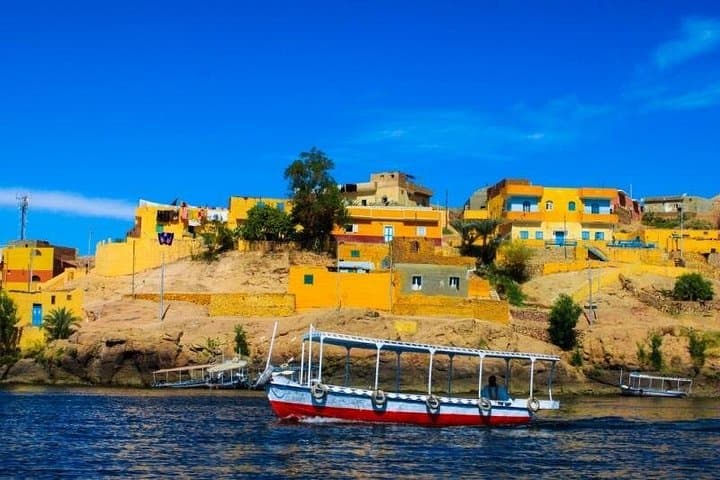
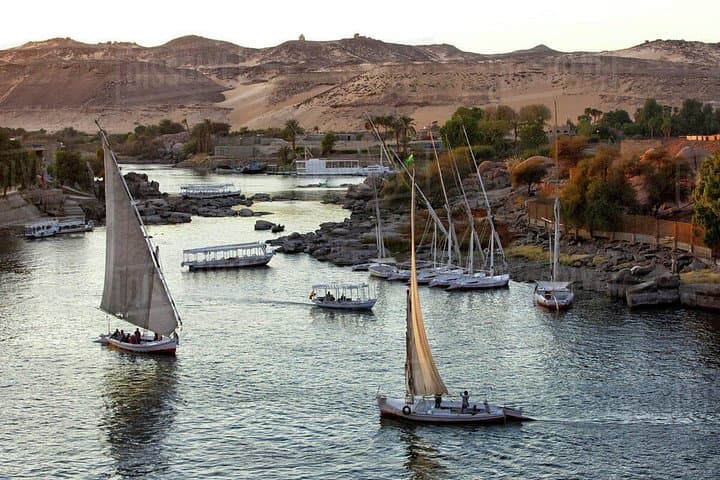
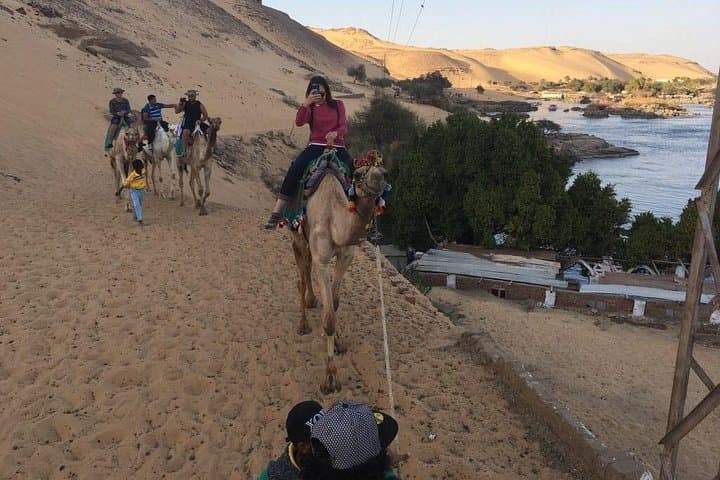
The motorboat eases away from Aswan’s Nile edge and the river takes charge — warm air lifting dust from the bank as palm trunks lean in, curious. Within minutes the city gives way to broad water and the small cluster of houses that make up a Nubian village reveals its painted facades and shaded courtyards. A licensed Egyptologist guides the visit, translating stories spilled over steaming cups of tea and pointing to carved door frames and household shrines that map family histories.
The motorboat eases away from Aswan’s Nile edge and the river takes charge — warm air lifting dust from the bank as palm trunks lean in, curious. Within minutes the city gives way to broad water and the small cluster of houses that make up a Nubian village reveals its painted facades and shaded courtyards. A licensed Egyptologist guides the visit, translating stories spilled over steaming cups of tea and pointing to carved door frames and household shrines that map family histories.
This short trip threads together geology and culture: you pass the rocky shoals of the First Cataract and glimpse the long shadow of the Aswan Dam, reminders of how the Nile’s moods shaped settlement here. The Nubians — historically called the Land of the Bow for their famed archery — have retained distinct language, crafts and house-painting traditions despite 20th-century resettlement.
Expect easy walking on sandy lanes, welcoming hospitality, and a close view of daily life: rooftop drying racks, clay ovens, and children playing by the water. Interactions are informal but respectful; guides usually arrange tea and a household visit so you can learn about crafts and customs.
Practicalities: the tour runs about two hours with hotel or Nile-cruise pickup, a short motorboat or felucca crossing, and bottled water included. Midday sun is intense — schedule mornings or late afternoons for cooler light and softer photography. Carry small change for local handicrafts, ask permission before photographing people, and leave no trace: the village depends on responsible visitors.