THE ADVENTURE COLLECTIVE® · Independent discovery and booking for outdoor travel

Hit Kyoto’s headline sights in the quiet of early morning with a private luxury van and local guide. Visit Fushimi Inari, Arashiyama’s bamboo, Ryoan-ji and Kinkaku-ji before the crowds and learn the stories behind each place.
Hit Kyoto’s headline sights in the quiet of early morning with a private luxury van and local guide. Visit Fushimi Inari, Arashiyama’s bamboo, Ryoan-ji and Kinkaku-ji before the crowds and learn the stories behind each place.
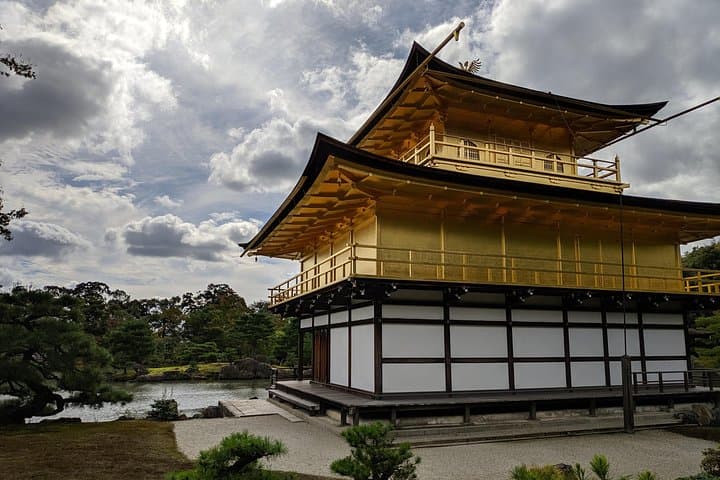
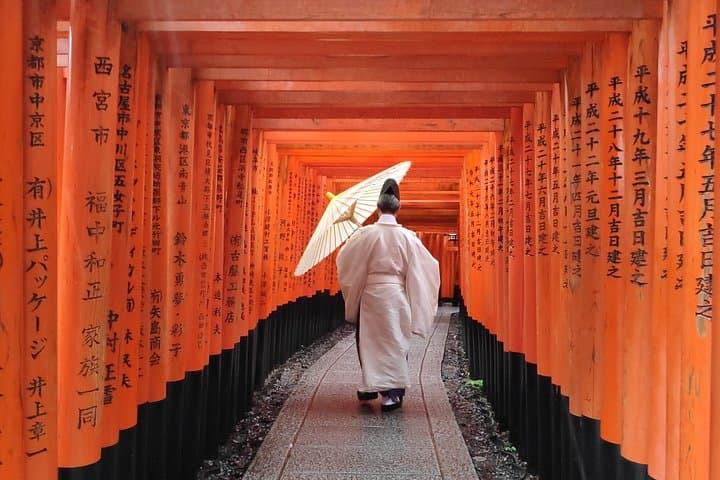
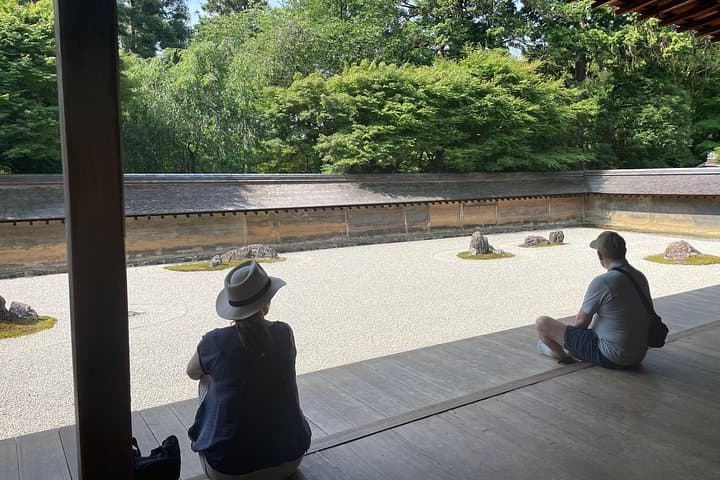
Before dawn the city exhales and Kyoto’s temples take on a different voice — quieter, colder, nearer. This private Alphard tour uses those early hours to thread visitors through winding approaches, torii-lit climbs and reflective ponds while the usual crowds are elsewhere. The van glides through neighborhoods where wooden machiya houses still shoulder narrow streets, delivering you quickly to Fushimi Inari’s ascending tunnels of vermilion gates, the towering bamboo lanes of Arashiyama, Ryoan-ji’s raked stones, and the gold-leaf façade of Kinkaku-ji.
Verified experiences and guided adventures in the surrounding area.
Operated by Craig's Kyoto Tours · Kyoto, Kyoto Prefecture
Before dawn the city exhales and Kyoto’s temples take on a different voice — quieter, colder, nearer. This private Alphard tour uses those early hours to thread visitors through winding approaches, torii-lit climbs and reflective ponds while the usual crowds are elsewhere. The van glides through neighborhoods where wooden machiya houses still shoulder narrow streets, delivering you quickly to Fushimi Inari’s ascending tunnels of vermilion gates, the towering bamboo lanes of Arashiyama, Ryoan-ji’s raked stones, and the gold-leaf façade of Kinkaku-ji.
These sites span Kyoto’s layered history: Fushimi Inari is centuries-old devotion to the rice deity Inari; Kinkaku-ji reflects Muromachi-era patronage and reconstruction after 1955; Ryoan-ji’s zen garden invites quiet study of form and void. Geologically, Kyoto sits on an alluvial plain ringed by low hills — those hills cradle shrines and shape the city’s seasonal microclimates. Culturally, temples are active places of worship; modest behavior, removed shoes at certain halls and respectful photography matter.
Practically: expect 6–8 hours on a flexible, private itinerary with an English-speaking local guide and bottled water supplied. The tour minimizes walking distances by using a 2025 Toyota Alphard luxury van for transfers, but you should be prepared for short, uneven paths and stairs at shrine precincts. Bring layers for cool mornings, cash for incidental purchases, and comfortable shoes you can slip on and off. Start early to see the architecture and gardens with soft light and without the crowds — Kyoto rewards those who arrive before the city wakes.
easy.
6–8 hours.
Light fitness for short walks, stairs, and standing at viewpoints; suitable for most travelers
The tour includes entrance fees totaling about ¥1,800 per person as listed, but bring extra cash for optional purchases or donations.
Yes — the guide adapts the route if you’ve seen a site already or prefer substitutions within the morning schedule.
Yes; the vehicle accommodates infant seats and strollers are possible, though some shrine paths have steps and narrow walkways.
Tipping is not customary in Japan; a polite thank-you or a small omiyage (souvenir) is appreciated but not required.
Kyoto was Japan’s imperial capital from 794 to 1868; many temples reflect medieval patronage and later reconstructions such as Kinkaku-ji’s postwar rebuilding.
Stick to marked paths, avoid feeding wildlife, and use refillable water bottles—heavy foot traffic and litter affect bamboo groves and temple gardens.
Craig's Kyoto Tours operates guided outdoor trips and adventures with an emphasis on safety, stewardship, and memorable experiences.

Before dawn the city exhales and Kyoto’s temples take on a different voice — quieter, colder, nearer. This private Alphard tour uses those early hours to thread visitors through winding approaches, torii-lit climbs and reflective ponds while the usual crowds are elsewhere. The van glides through neighborhoods where wooden machiya houses still shoulder narrow streets, delivering you quickly to Fushimi Inari’s ascending tunnels of vermilion gates, the towering bamboo lanes of Arashiyama, Ryoan-ji’s raked stones, and the gold-leaf façade of Kinkaku-ji.
Before dawn the city exhales and Kyoto’s temples take on a different voice — quieter, colder, nearer. This private Alphard tour uses those early hours to thread visitors through winding approaches, torii-lit climbs and reflective ponds while the usual crowds are elsewhere. The van glides through neighborhoods where wooden machiya houses still shoulder narrow streets, delivering you quickly to Fushimi Inari’s ascending tunnels of vermilion gates, the towering bamboo lanes of Arashiyama, Ryoan-ji’s raked stones, and the gold-leaf façade of Kinkaku-ji.
These sites span Kyoto’s layered history: Fushimi Inari is centuries-old devotion to the rice deity Inari; Kinkaku-ji reflects Muromachi-era patronage and reconstruction after 1955; Ryoan-ji’s zen garden invites quiet study of form and void. Geologically, Kyoto sits on an alluvial plain ringed by low hills — those hills cradle shrines and shape the city’s seasonal microclimates. Culturally, temples are active places of worship; modest behavior, removed shoes at certain halls and respectful photography matter.
Practically: expect 6–8 hours on a flexible, private itinerary with an English-speaking local guide and bottled water supplied. The tour minimizes walking distances by using a 2025 Toyota Alphard luxury van for transfers, but you should be prepared for short, uneven paths and stairs at shrine precincts. Bring layers for cool mornings, cash for incidental purchases, and comfortable shoes you can slip on and off. Start early to see the architecture and gardens with soft light and without the crowds — Kyoto rewards those who arrive before the city wakes.