THE ADVENTURE COLLECTIVE® · Independent discovery and booking for outdoor travel

Swap crowded viewing platforms for a private boat and a crew focused on ethical whale encounters. This half-day Moorea excursion blends local seafaring knowledge with marine science to maximize sightings while minimizing impact.
Swap crowded viewing platforms for a private boat and a crew focused on ethical whale encounters. This half-day Moorea excursion blends local seafaring knowledge with marine science to maximize sightings while minimizing impact.
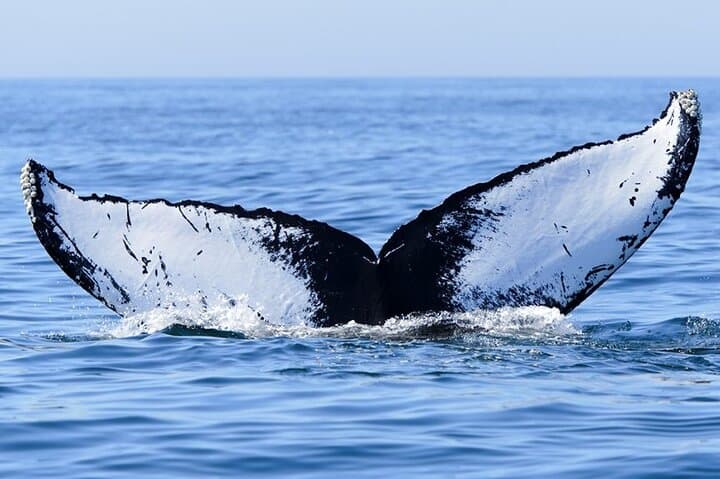
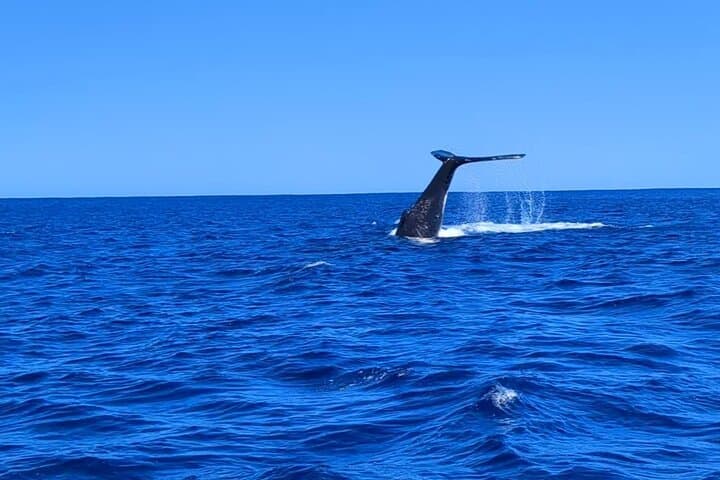
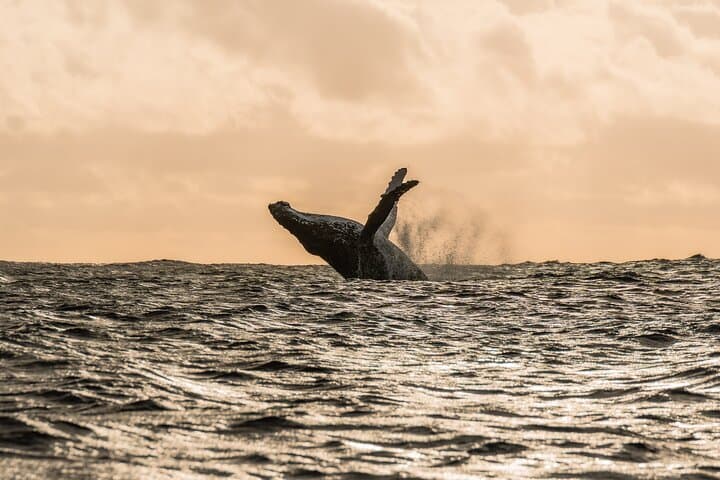
The boat slips away from a small Moorea lagoon and the ocean opens—blue shifting to indigo as the captain eases into deeper water. Salt air tugs at hair, and the guide scans the horizon: a spout, a tail, a social cluster of black backs cutting the surface. On a private half-day tour, guests trade crowds for a quieter choreography of approach and observation, guided by crew trained to read cetacean behavior and respect distance.
Verified experiences and guided adventures in the surrounding area.
Operated by Mori Ora · Moorea, Îles du Vent
The boat slips away from a small Moorea lagoon and the ocean opens—blue shifting to indigo as the captain eases into deeper water. Salt air tugs at hair, and the guide scans the horizon: a spout, a tail, a social cluster of black backs cutting the surface. On a private half-day tour, guests trade crowds for a quieter choreography of approach and observation, guided by crew trained to read cetacean behavior and respect distance.
Moorea is an extinct volcanic arc ringed with a crescent of coral reef; its bays—Cook’s and Opunohu—have long been seasonal corridors for humpback whales that migrate through the South Pacific. Polynesian navigators knew these islands as landmarks on open-ocean routes; today local crews combine that seafaring knowledge with modern marine biology to interpret songs, courtship displays, and maternal care.
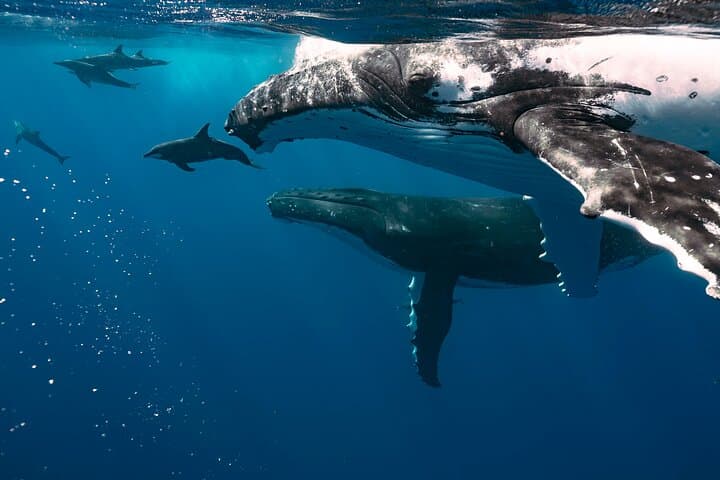
Expect encounters with humpbacks and possible sightings of spinner dolphins, pilot whales, and hunting seabirds; flying fish often punctuate early-morning chases. The crew may invite gentle approaches or, when animals surface-nurse or rest, hold position and observe. This is a wildlife encounter shaped by patience and rules: no chasing, no cornering, and swimming only when the guide advises it.
Practical side: tours run about 3–4 hours and require moderate fitness and good comfort in ocean conditions if you plan to snorkel. Bring reef-safe sunscreen, a snorkel mask and fins, motion-sickness remedies, and a light layer for wind. Aim for morning departures—calmer seas and higher likelihood of active behaviors—and respect briefing instructions so the experience stays safe for both guests and the animals.
moderate.
3–4 hours.
Moderate cardiovascular fitness and basic swimming ability are recommended, especially if you plan to snorkel with fins.
No—whales are wild animals and sightings depend on season and behavior; Moorea’s season has higher probabilities during humpback migration months but no operator can guarantee an encounter.
Yes—non-swimmers can remain onboard to observe; swimming with animals is optional and only when conditions and guides allow.
Infants must sit on laps and small children should be closely supervised; crew will advise on safety but the trip isn’t wheelchair accessible.
Morning departures generally offer calmer seas, better light for spotting, and higher animal activity—plan accordingly for smoother viewing.
Moorea’s bays and reefs have been part of Polynesian navigation routes for centuries; the island’s volcanic ridges formed millions of years ago and shape its sheltered marine corridors.
Operators emphasize no-chase protocols, limit swim approaches, and recommend reef-safe products to reduce damage to corals and disturbances to cetaceans.
Mori Ora operates guided outdoor trips and adventures with an emphasis on safety, stewardship, and memorable experiences.
The boat slips away from a small Moorea lagoon and the ocean opens—blue shifting to indigo as the captain eases into deeper water. Salt air tugs at hair, and the guide scans the horizon: a spout, a tail, a social cluster of black backs cutting the surface. On a private half-day tour, guests trade crowds for a quieter choreography of approach and observation, guided by crew trained to read cetacean behavior and respect distance.
The boat slips away from a small Moorea lagoon and the ocean opens—blue shifting to indigo as the captain eases into deeper water. Salt air tugs at hair, and the guide scans the horizon: a spout, a tail, a social cluster of black backs cutting the surface. On a private half-day tour, guests trade crowds for a quieter choreography of approach and observation, guided by crew trained to read cetacean behavior and respect distance.
Moorea is an extinct volcanic arc ringed with a crescent of coral reef; its bays—Cook’s and Opunohu—have long been seasonal corridors for humpback whales that migrate through the South Pacific. Polynesian navigators knew these islands as landmarks on open-ocean routes; today local crews combine that seafaring knowledge with modern marine biology to interpret songs, courtship displays, and maternal care.
Expect encounters with humpbacks and possible sightings of spinner dolphins, pilot whales, and hunting seabirds; flying fish often punctuate early-morning chases. The crew may invite gentle approaches or, when animals surface-nurse or rest, hold position and observe. This is a wildlife encounter shaped by patience and rules: no chasing, no cornering, and swimming only when the guide advises it.
Practical side: tours run about 3–4 hours and require moderate fitness and good comfort in ocean conditions if you plan to snorkel. Bring reef-safe sunscreen, a snorkel mask and fins, motion-sickness remedies, and a light layer for wind. Aim for morning departures—calmer seas and higher likelihood of active behaviors—and respect briefing instructions so the experience stays safe for both guests and the animals.