THE ADVENTURE COLLECTIVE® · Independent discovery and booking for outdoor travel

Wander cobbled lanes, see the Wall of ‘I Love You,’ and finish at Sacré‑Cœur on this private 105‑minute Montmartre walking tour. Expect steep steps, painter-filled squares, and panoramic city views.
Wander cobbled lanes, see the Wall of ‘I Love You,’ and finish at Sacré‑Cœur on this private 105‑minute Montmartre walking tour. Expect steep steps, painter-filled squares, and panoramic city views.
You step out beneath the red canopies of the Moulin Rouge and the cobbles immediately change the cadence of your walk: smaller stones, steeper grades, alleys that angle toward light. The guide threads stories into the lanes—artists, cabarets, and the hard-won views from Paris’s northern hill.
Verified experiences and guided adventures in the surrounding area.
Operated by Parifiane Tours · Paris, Île-de-France
You step out beneath the red canopies of the Moulin Rouge and the cobbles immediately change the cadence of your walk: smaller stones, steeper grades, alleys that angle toward light. The guide threads stories into the lanes—artists, cabarets, and the hard-won views from Paris’s northern hill.
Montmartre sits on a natural outcrop of gypsum and chalk above Paris; the hill rises roughly 85–130 m above the surrounding arrondissements, so expect repeated short climbs and flights of steps. This was the quarter of Lautrec, Picasso and Van Gogh—an industrial fringe turned bohemian refuge in the 19th century—and the Place du Tertre still hums with painters working for portraits and quick commissions.
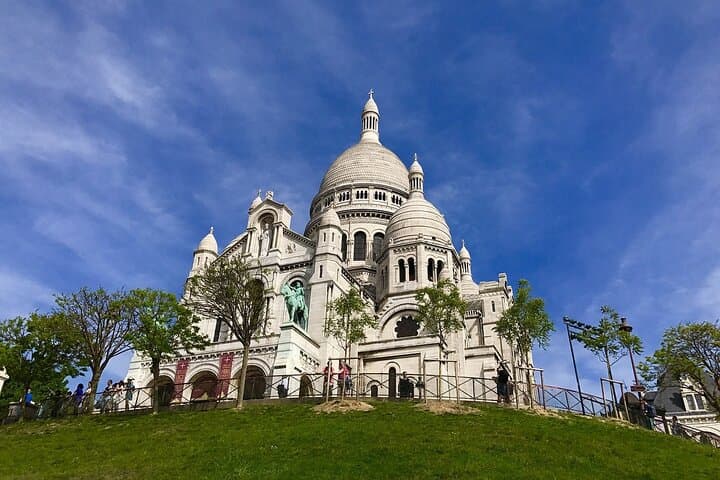
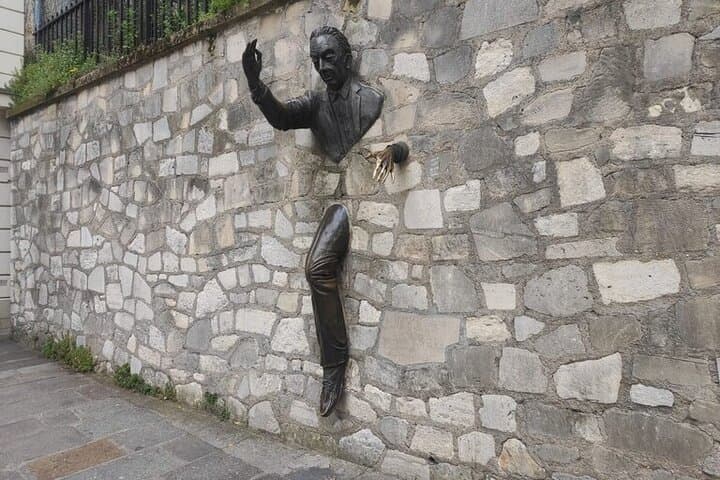
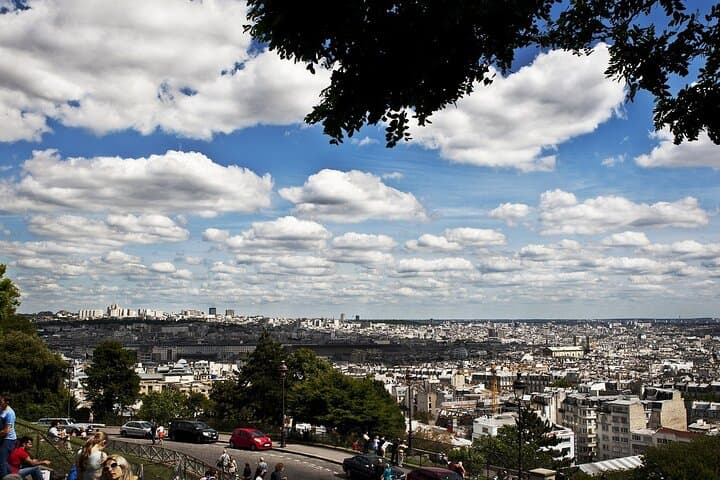
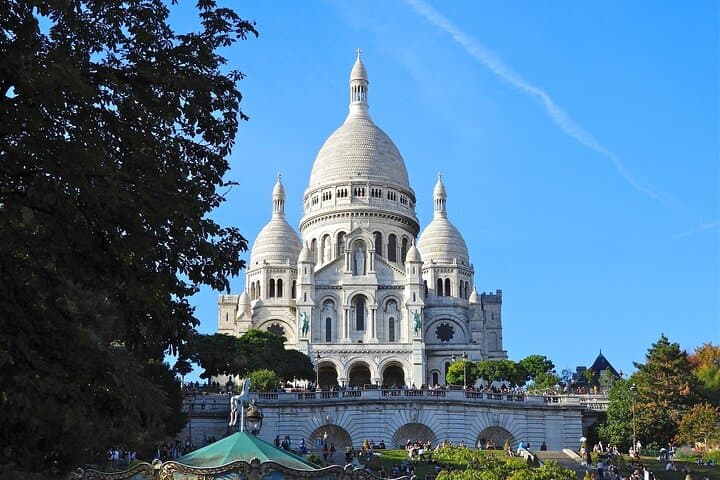
Along the route you’ll pass the Wall of “I Love You” in 250 languages, the whimsical “Le Passe-Muraille” statue, the windmill of Moulin de la Galette, and quiet courtyards where former studios hide behind shuttered façades. The final approach to the Basilica of Sacré‑Cœur opens into a broad lookout: on a clear day the Eiffel Tower, Hôtel des Invalides and the Montparnasse Tower puncture the horizon.
Practicals: the tour is about 1.5–2 hours, covering roughly 2–3 km on uneven, cobbled streets with several stair sections—moderate fitness recommended. Wear supportive shoes, carry a small water bottle and a light layer for changing weather. Travel early or late afternoon to avoid the largest crowds on the summit; your guide will time stops for photos and local anecdotes that bring the neighborhood’s past to life.
moderate.
1.5–2 hours.
Should be comfortable walking 2–3 km with repeated short climbs and stairs; moderate cardiovascular fitness advised.
The private tour lasts about 105 minutes and covers roughly 2–3 km over cobbled streets with several flights of stairs and short uphill sections.
The itinerary indicates a visit to the outside and inside of Sacré‑Cœur; check booking notes for any temporary closures or entry limitations.
Children can join if they can manage stairs and uneven pavement; the tour is not recommended for people with serious back or heart problems or limited mobility due to hill climbs and steps.
Yes—photography is allowed and Place du Tertre artists often offer portraits for sale; bring cash or card but agree on price beforehand.
Montmartre evolved from a working-class gypsum quarry and windmill district into the bohemian heart of Paris in the late 19th and early 20th centuries, drawing painters and performers to its affordable studios.
Respect street artists and public spaces by not blocking walkways, buying from local vendors when possible, and avoiding litter on the hill—small choices help preserve Montmartre’s character.
Parifiane Tours operates guided outdoor trips and adventures with an emphasis on safety, stewardship, and memorable experiences.
You step out beneath the red canopies of the Moulin Rouge and the cobbles immediately change the cadence of your walk: smaller stones, steeper grades, alleys that angle toward light. The guide threads stories into the lanes—artists, cabarets, and the hard-won views from Paris’s northern hill.
You step out beneath the red canopies of the Moulin Rouge and the cobbles immediately change the cadence of your walk: smaller stones, steeper grades, alleys that angle toward light. The guide threads stories into the lanes—artists, cabarets, and the hard-won views from Paris’s northern hill.
Montmartre sits on a natural outcrop of gypsum and chalk above Paris; the hill rises roughly 85–130 m above the surrounding arrondissements, so expect repeated short climbs and flights of steps. This was the quarter of Lautrec, Picasso and Van Gogh—an industrial fringe turned bohemian refuge in the 19th century—and the Place du Tertre still hums with painters working for portraits and quick commissions.
Along the route you’ll pass the Wall of “I Love You” in 250 languages, the whimsical “Le Passe-Muraille” statue, the windmill of Moulin de la Galette, and quiet courtyards where former studios hide behind shuttered façades. The final approach to the Basilica of Sacré‑Cœur opens into a broad lookout: on a clear day the Eiffel Tower, Hôtel des Invalides and the Montparnasse Tower puncture the horizon.
Practicals: the tour is about 1.5–2 hours, covering roughly 2–3 km on uneven, cobbled streets with several stair sections—moderate fitness recommended. Wear supportive shoes, carry a small water bottle and a light layer for changing weather. Travel early or late afternoon to avoid the largest crowds on the summit; your guide will time stops for photos and local anecdotes that bring the neighborhood’s past to life.