THE ADVENTURE COLLECTIVE® · Independent discovery and booking for outdoor travel

Explore Kotor’s medieval alleys, the compact wildness of Lovćen National Park, and Cetinje’s royal architecture on a private day tour. Ideal for travelers who want history, sweeping views, and flexible pacing.
Explore Kotor’s medieval alleys, the compact wildness of Lovćen National Park, and Cetinje’s royal architecture on a private day tour. Ideal for travelers who want history, sweeping views, and flexible pacing.
Morning light carves the limestone walls of the Bay of Kotor as the town’s bell towers wake the cobbled alleys. A private vehicle winds up the old road while the Adriatic below watches with slow, bright breaths. Visitors step from narrow streets into panoramic terraces where the old fortress keeps a sharp, silent watch over fishing boats and cafés.
Verified experiences and guided adventures in the surrounding area.
Operated by Drive Montenegro · Kotor, Kotor Municipality
Morning light carves the limestone walls of the Bay of Kotor as the town’s bell towers wake the cobbled alleys. A private vehicle winds up the old road while the Adriatic below watches with slow, bright breaths. Visitors step from narrow streets into panoramic terraces where the old fortress keeps a sharp, silent watch over fishing boats and cafés.
The route threads centuries of history: Venetian palaces in Kotor, Royal-era embassies in Cetinje, and the rugged spur of Lovćen that gave Montenegro its name. Geologically, Lovćen is a compact block of karst ridges rising from coastal terraces to 1,749 m—an abrupt meeting of Mediterranean light and continental winds that creates distinct habitats across short distances.
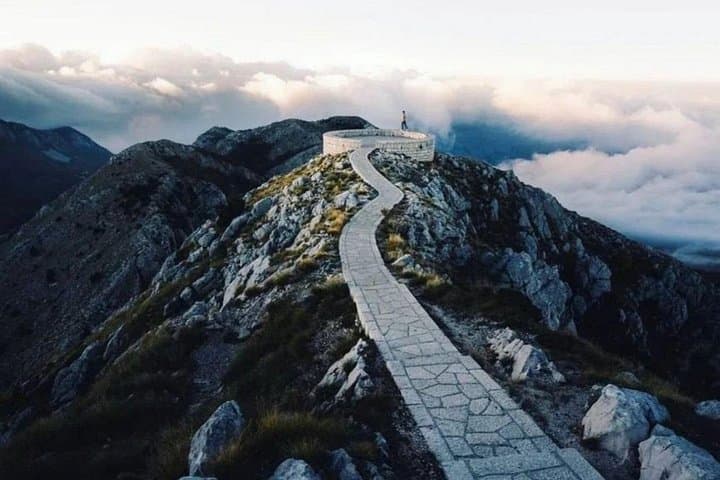
Expect a blend of easy urban walking and short, steep viewpoints in the park; trails are rocky and can be exposed to sun or wind. Cultural highlights include Cetinje’s monasteries and Biljarda house, while Lovćen’s Njegoš Mausoleum rewards the climb with wide, raw views that make the effort feel immediate.
Practical guidance: plan 3–9 hours depending on stops, wear grippy shoes for short stone staircases, and layer for rapid temperature shifts between coast and mountain. Bring water and snacks; small villages offer cafés but service can be slow in high season. Early starts avoid crowds in Kotor and softer light for photos; late afternoons on the return reveal warm tones along the bay. A private guide/driver smooths logistics, leaving time to focus on the landscape and local stories rather than routes and parking.
easy.
3–9 hours.
Suitable for travelers with basic mobility; able to manage short steep staircases and paved trails.
No—most sightseeing is easy walking, though Lovćen includes short steep sections and stairs to viewpoints.
Admission details vary by itinerary; confirm with the operator if mausoleum or museum fees are included or payable on-site.
Yes—this private tour is flexible in duration and stops to match interests, from relaxed sightseeing to more active viewpoints.
Pickup options depend on booking choices; the operator typically offers hotel or nearby meeting-point pickup and can arrange airport transfers if requested.
Cetinje served as Montenegro’s royal capital in the 18th–20th centuries; Lovćen’s plateaus were central to national identity and hosted Njegoš’s mausoleum.
Lovćen National Park manages a mosaic of habitats—stay on marked trails and avoid disturbing endemic plants; support local guides to reduce pressure on small communities.
Drive Montenegro operates guided outdoor trips and adventures with an emphasis on safety, stewardship, and memorable experiences.
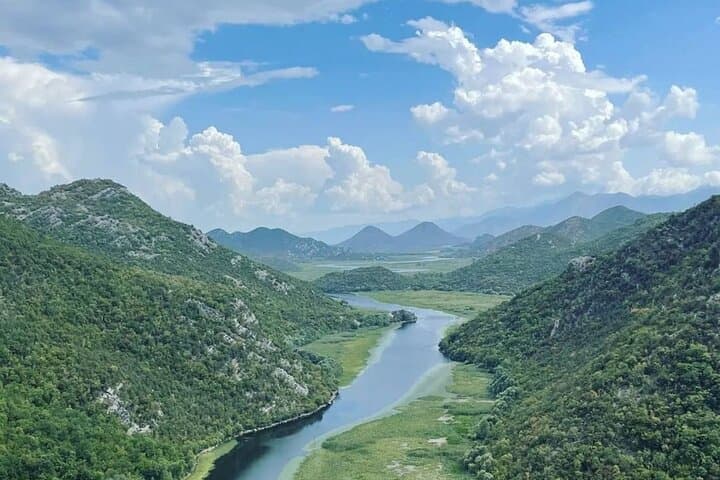
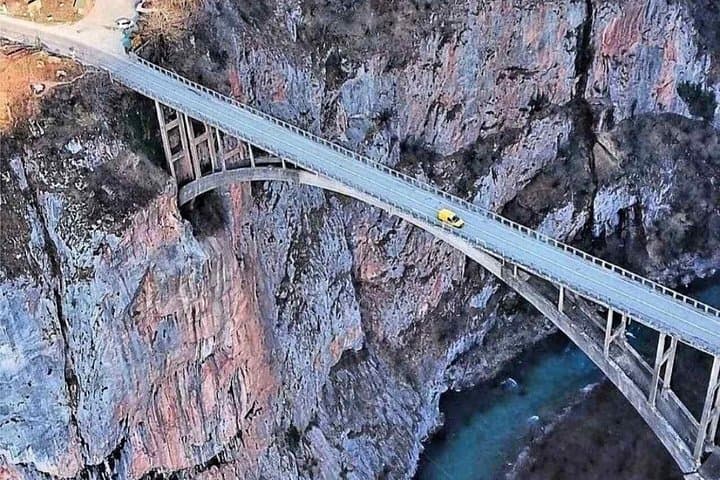
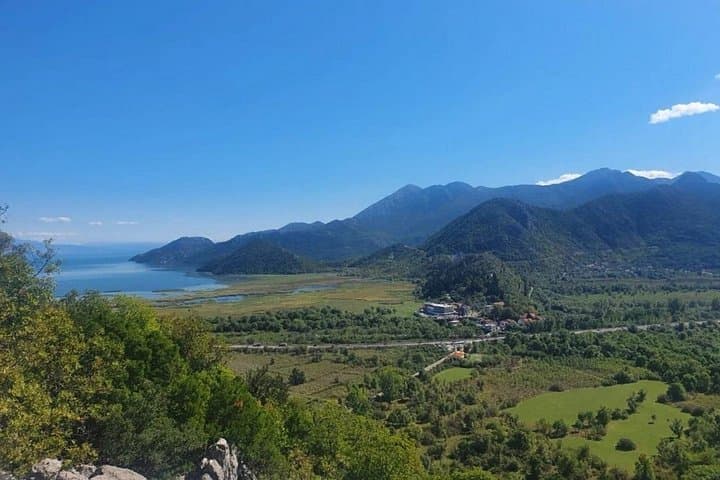
Morning light carves the limestone walls of the Bay of Kotor as the town’s bell towers wake the cobbled alleys. A private vehicle winds up the old road while the Adriatic below watches with slow, bright breaths. Visitors step from narrow streets into panoramic terraces where the old fortress keeps a sharp, silent watch over fishing boats and cafés.
Morning light carves the limestone walls of the Bay of Kotor as the town’s bell towers wake the cobbled alleys. A private vehicle winds up the old road while the Adriatic below watches with slow, bright breaths. Visitors step from narrow streets into panoramic terraces where the old fortress keeps a sharp, silent watch over fishing boats and cafés.
The route threads centuries of history: Venetian palaces in Kotor, Royal-era embassies in Cetinje, and the rugged spur of Lovćen that gave Montenegro its name. Geologically, Lovćen is a compact block of karst ridges rising from coastal terraces to 1,749 m—an abrupt meeting of Mediterranean light and continental winds that creates distinct habitats across short distances.
Expect a blend of easy urban walking and short, steep viewpoints in the park; trails are rocky and can be exposed to sun or wind. Cultural highlights include Cetinje’s monasteries and Biljarda house, while Lovćen’s Njegoš Mausoleum rewards the climb with wide, raw views that make the effort feel immediate.
Practical guidance: plan 3–9 hours depending on stops, wear grippy shoes for short stone staircases, and layer for rapid temperature shifts between coast and mountain. Bring water and snacks; small villages offer cafés but service can be slow in high season. Early starts avoid crowds in Kotor and softer light for photos; late afternoons on the return reveal warm tones along the bay. A private guide/driver smooths logistics, leaving time to focus on the landscape and local stories rather than routes and parking.