THE ADVENTURE COLLECTIVE® · Independent discovery and booking for outdoor travel

Explore an abandoned Bulgarian quarry on a private 2–3 hour tour that combines hands-on collecting with geology lessons. Visit four collecting points around a central lake and learn to identify barite, calcite, hematite and marble onyx while following safe sampling practices.
Explore an abandoned Bulgarian quarry on a private 2–3 hour tour that combines hands-on collecting with geology lessons. Visit four collecting points around a central lake and learn to identify barite, calcite, hematite and marble onyx while following safe sampling practices.
You step onto the quarry rim and the lake catches the light like a flat, dark mirror — cliffs sheared in steps, benches of exposed rock, and scattered cobbles that have survived decades of weather. The guide points to a band of pale calcite and a rusty hematite seam; the sound of chisels striking stone slices the air and the quarry answers back with a small shower of grit.
Verified experiences and guided adventures in the surrounding area.
Operated by Mineral collecting tours · Sofia, Sofia
You step onto the quarry rim and the lake catches the light like a flat, dark mirror — cliffs sheared in steps, benches of exposed rock, and scattered cobbles that have survived decades of weather. The guide points to a band of pale calcite and a rusty hematite seam; the sound of chisels striking stone slices the air and the quarry answers back with a small shower of grit.
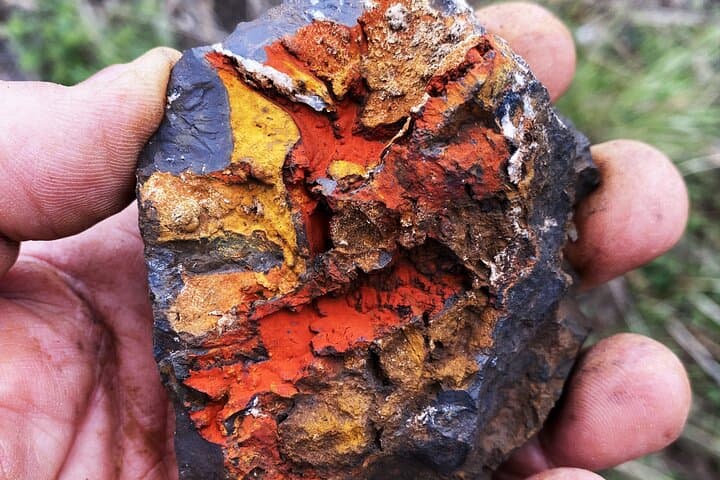
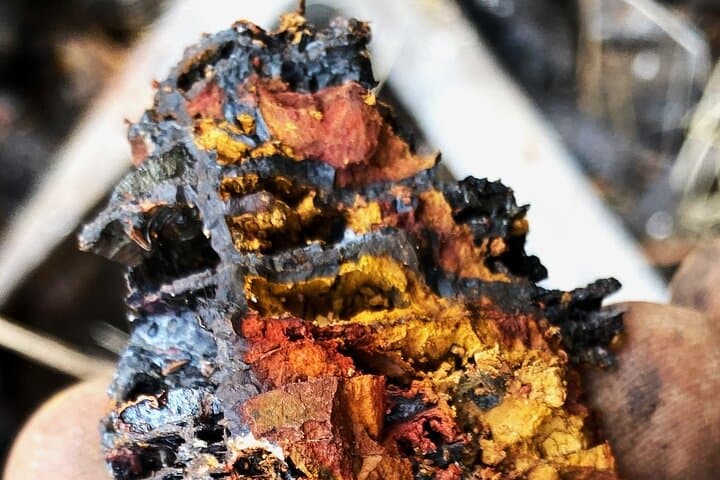
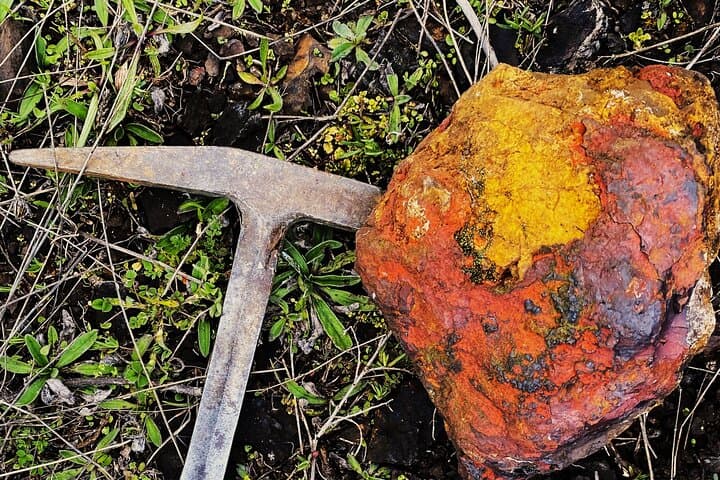
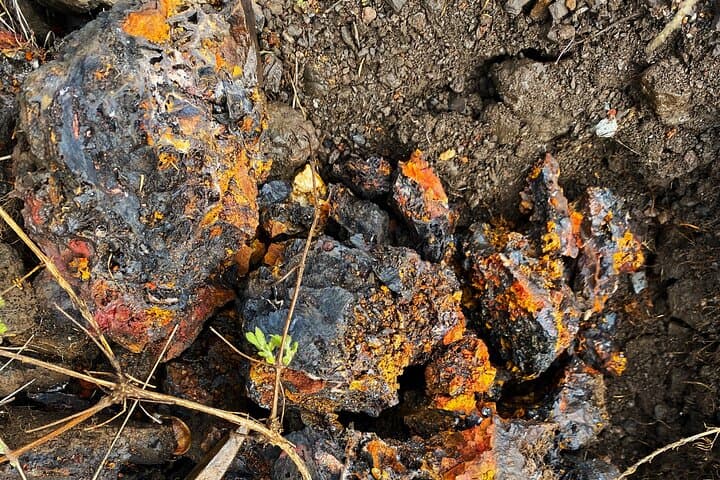
The site sits within Bulgaria’s long history of stone extraction and local mineral trade. Many of the minerals here—barite, goethite glass heads, marble onyx and limonite—formed through hydrothermal fluids altering host rocks, leaving pockets and veins where crystals grew. The lake occupying the quarry pit is recent in geological terms, a human-shaped basin where water now calms the landscape and draws birds.
Culturally, quarries around Sofia have provided building stone and small-scale mineral specimens for generations; guides on this tour mix hands-on collecting with clear mineralogy lessons that explain how each specimen formed and what to look for in the field.
Practical guidance: the tour visits four collecting points over roughly 2–3 hours on uneven, rocky terrain. Expect short low-angle scrambles, loose scree, and wet benches near the lake. Wear sturdy boots, eye protection and gloves, and follow the guide’s safety briefing when using hammers and chisels. Respect sampling limits, leave larger geological features intact, and pack out trash. The experience rewards patience: surface pebbles give way to small, well-formed crystals if you know where to look and how to pry them cleanly.
moderate.
2–3 hours.
Moderate fitness — able to handle short scrambles, uneven ground, and standing while hammering for extended periods
Yes—small specimens are typically allowed to take home but follow your guide’s limits and local restrictions; avoid removing large or protected formations.
The tour includes basic tools like hammers and chisels, but you may bring personal gloves and eye protection for hygiene and comfort.
Children can participate if supervised; booking may request age details and guides will assess safety — younger children should be comfortable with uneven ground.
Tours can be canceled for bad weather; check cancellation policies and the operator’s guidance if heavy rain or icy conditions are forecast.
Quarrying in the Sofia region has supplied building stone and decorative marble for local towns for centuries; many abandoned pits now reveal mineral veins laid down by ancient hydrothermal activity.
Collect only small samples, avoid disturbing nesting birds and bat roosts, and pack out all waste; preserving the site ensures long-term access for collectors and researchers.
Mineral collecting tours operates guided outdoor trips and adventures with an emphasis on safety, stewardship, and memorable experiences.
You step onto the quarry rim and the lake catches the light like a flat, dark mirror — cliffs sheared in steps, benches of exposed rock, and scattered cobbles that have survived decades of weather. The guide points to a band of pale calcite and a rusty hematite seam; the sound of chisels striking stone slices the air and the quarry answers back with a small shower of grit.
You step onto the quarry rim and the lake catches the light like a flat, dark mirror — cliffs sheared in steps, benches of exposed rock, and scattered cobbles that have survived decades of weather. The guide points to a band of pale calcite and a rusty hematite seam; the sound of chisels striking stone slices the air and the quarry answers back with a small shower of grit.
The site sits within Bulgaria’s long history of stone extraction and local mineral trade. Many of the minerals here—barite, goethite glass heads, marble onyx and limonite—formed through hydrothermal fluids altering host rocks, leaving pockets and veins where crystals grew. The lake occupying the quarry pit is recent in geological terms, a human-shaped basin where water now calms the landscape and draws birds.
Culturally, quarries around Sofia have provided building stone and small-scale mineral specimens for generations; guides on this tour mix hands-on collecting with clear mineralogy lessons that explain how each specimen formed and what to look for in the field.
Practical guidance: the tour visits four collecting points over roughly 2–3 hours on uneven, rocky terrain. Expect short low-angle scrambles, loose scree, and wet benches near the lake. Wear sturdy boots, eye protection and gloves, and follow the guide’s safety briefing when using hammers and chisels. Respect sampling limits, leave larger geological features intact, and pack out trash. The experience rewards patience: surface pebbles give way to small, well-formed crystals if you know where to look and how to pry them cleanly.