THE ADVENTURE COLLECTIVE® · Independent discovery and booking for outdoor travel

Soar over the Smoke That Thunders on a private 30-minute microlight flight from Livingstone. This aerial tour pairs panoramic photo opportunities with views of the Zambezi gorges and wildlife in Mosi-oa-Tunya National Park.
Soar over the Smoke That Thunders on a private 30-minute microlight flight from Livingstone. This aerial tour pairs panoramic photo opportunities with views of the Zambezi gorges and wildlife in Mosi-oa-Tunya National Park.
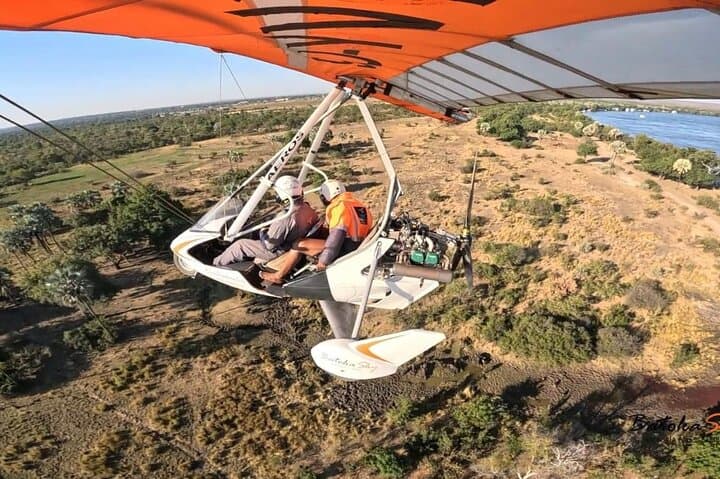
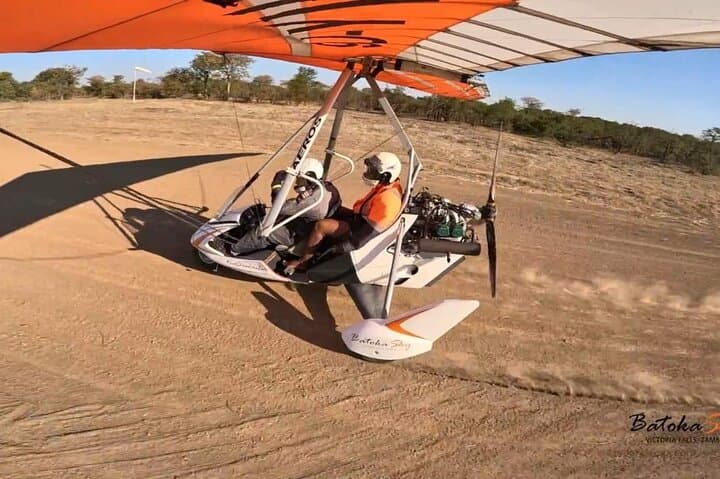
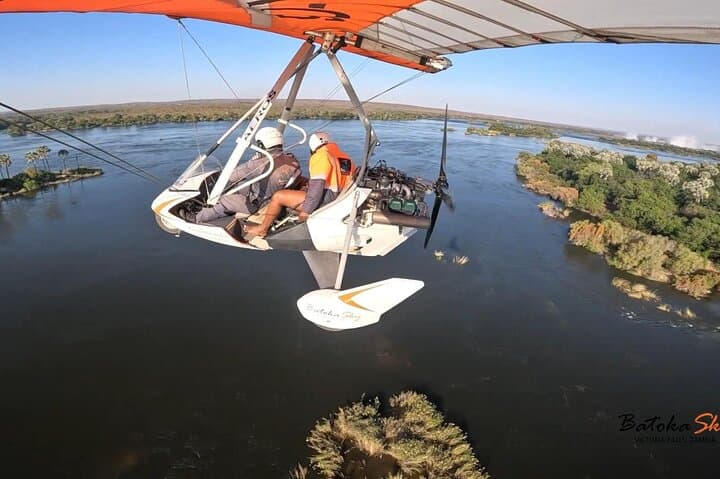
You taxi into a short grass strip, the microlight’s open cockpit framing a wall of mist ahead. The engine sighs, then climbs, and the Zambezi peels away beneath you—bronze river, white curtains of water, and the Batoka Gorge carving a sharp line through volcanic rock. From thirty minutes aloft the Falls stops being a place and becomes an event: the Smoke That Thunders rolling downstream, currents daring you to follow, and islands slipping past like green punctuation marks.
Verified experiences and guided adventures in the surrounding area.
Operated by BUSH WILDERNESS SAFARIS · Livingstone, Southern Province
You taxi into a short grass strip, the microlight’s open cockpit framing a wall of mist ahead. The engine sighs, then climbs, and the Zambezi peels away beneath you—bronze river, white curtains of water, and the Batoka Gorge carving a sharp line through volcanic rock. From thirty minutes aloft the Falls stops being a place and becomes an event: the Smoke That Thunders rolling downstream, currents daring you to follow, and islands slipping past like green punctuation marks.
Geology here is blunt and beautiful—layers of basalt and floodplain scoured by the Zambezi over millennia. The local Tonga name, Mosi-oa-Tunya, captures the sound and the sight; David Livingstone’s 19th-century accounts brought the world to this edge. Flights cross Mosi-oa-Tunya National Park, where elephants and hippos gather along oxbow pools and White Rhinos sometimes appear in the gorges.
Practically, this is a short, high-impact activity: expect a 30-minute airborne window plus time for transfers, briefing, and park fees. Morning and late-afternoon flights give the best light and calmer winds; wet-season months mean more spray and dramatic flow but lower visibility. Secure cameras with straps, wear layered windproof clothing and sunglasses, and tell your pilot about any medical limits: the ride is smooth but exposed. The operator typically provides brief hands-on flying time under instruction for experienced guests. Park and landing fees support conservation—your flight is both a view and a contribution to ongoing protection of this fragile riverscape.
easy.
30 minutes (flight); allow 1–2 hours total.
No special fitness required beyond basic mobility and the ability to climb in/out of a low cockpit; good tolerance for heights helpful
The airborne segment is 30 minutes; allow extra time for briefing, transfers, and park fees—pilot commentary is usually included.
Operators accept a range of ages but require disclosure of medical conditions; check age limits and consult a physician for cardiovascular concerns.
Many operators offer a brief hands-on flying experience under instructor supervision for guests who request it and meet safety criteria.
Flights can be delayed or rescheduled for safety or poor visibility; wet-season mist can reduce visibility but also produces dramatic flow—confirm cancellation and refund policies when booking.
David Livingstone brought international attention to Mosi-oa-Tunya in the 19th century; the falls have long cultural significance to local Tonga communities.
Flights operate alongside park management and fees that fund conservation; minimize noise and avoid low passes over wildlife congregations to reduce disturbance.
BUSH WILDERNESS SAFARIS operates guided outdoor trips and adventures with an emphasis on safety, stewardship, and memorable experiences.
You taxi into a short grass strip, the microlight’s open cockpit framing a wall of mist ahead. The engine sighs, then climbs, and the Zambezi peels away beneath you—bronze river, white curtains of water, and the Batoka Gorge carving a sharp line through volcanic rock. From thirty minutes aloft the Falls stops being a place and becomes an event: the Smoke That Thunders rolling downstream, currents daring you to follow, and islands slipping past like green punctuation marks.
You taxi into a short grass strip, the microlight’s open cockpit framing a wall of mist ahead. The engine sighs, then climbs, and the Zambezi peels away beneath you—bronze river, white curtains of water, and the Batoka Gorge carving a sharp line through volcanic rock. From thirty minutes aloft the Falls stops being a place and becomes an event: the Smoke That Thunders rolling downstream, currents daring you to follow, and islands slipping past like green punctuation marks.
Geology here is blunt and beautiful—layers of basalt and floodplain scoured by the Zambezi over millennia. The local Tonga name, Mosi-oa-Tunya, captures the sound and the sight; David Livingstone’s 19th-century accounts brought the world to this edge. Flights cross Mosi-oa-Tunya National Park, where elephants and hippos gather along oxbow pools and White Rhinos sometimes appear in the gorges.
Practically, this is a short, high-impact activity: expect a 30-minute airborne window plus time for transfers, briefing, and park fees. Morning and late-afternoon flights give the best light and calmer winds; wet-season months mean more spray and dramatic flow but lower visibility. Secure cameras with straps, wear layered windproof clothing and sunglasses, and tell your pilot about any medical limits: the ride is smooth but exposed. The operator typically provides brief hands-on flying time under instruction for experienced guests. Park and landing fees support conservation—your flight is both a view and a contribution to ongoing protection of this fragile riverscape.