THE ADVENTURE COLLECTIVE® · Independent discovery and booking for outdoor travel

Spend a private day from Volos exploring Meteora’s towering rock monasteries without the bus lines. This guided route focuses on quieter viewpoints, monastery visits, and practical stops in Kalampaka and Kastraki.
Spend a private day from Volos exploring Meteora’s towering rock monasteries without the bus lines. This guided route focuses on quieter viewpoints, monastery visits, and practical stops in Kalampaka and Kastraki.
You arrive in the valley before dawn and the limestone pinnacles of Meteora loom like weathered towers, their faces catching pale light as gulls wheel around ledges once used as hermitages.
Verified experiences and guided adventures in the surrounding area.
Operated by Central Greece Experience · Kalampaka, Thessaly
You arrive in the valley before dawn and the limestone pinnacles of Meteora loom like weathered towers, their faces catching pale light as gulls wheel around ledges once used as hermitages.
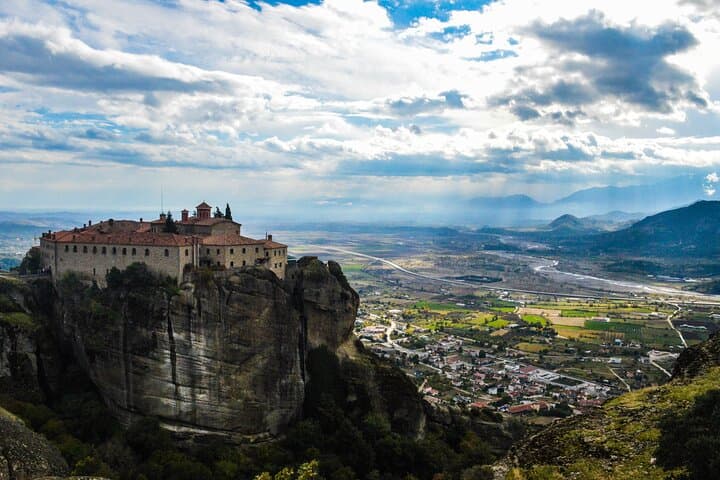
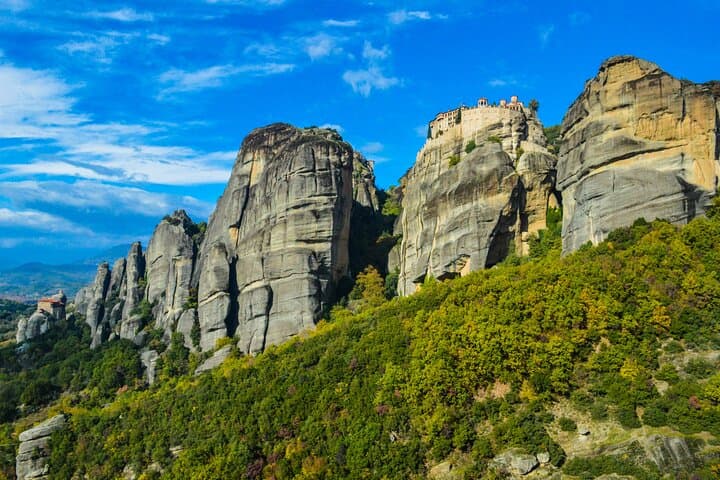
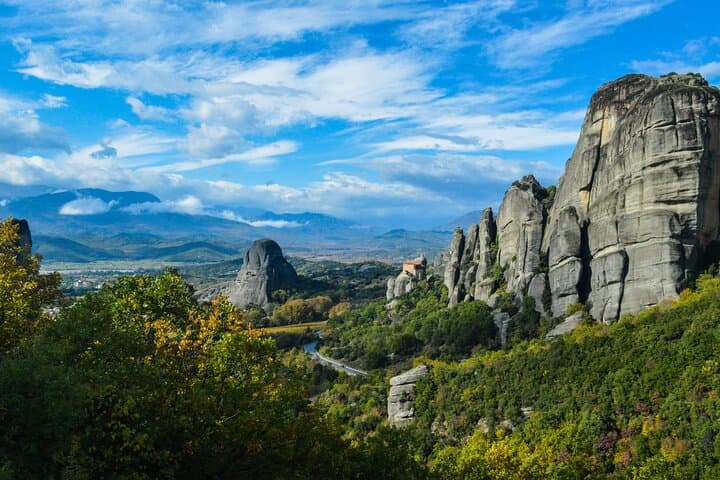
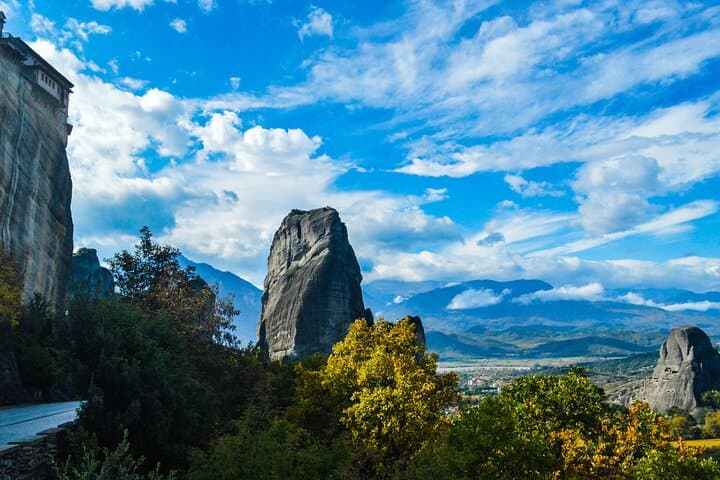
These cliff-top monasteries — built by monks from the 14th century onward — sit atop pillars carved by rivers and glaciers over millions of years. The rocks are sandstone and conglomerate, eroded into vertical columns that dared the monks to climb; the results are villages in the sky and steps hewn into stone that still creak underfoot.
Kalampaka and the nearby village of Kastraki form the human frame at the base, where Byzantine frescoes and Ottoman-era records tell of a region that protected faith and art through invasions and isolation. Local life is simple: sheep graze terraces, tavernas pour strong coffee, and hand-painted icons hang in chapels that smell faintly of wax.
On a private tour from Volos you avoid tourist minibuses and gain time at key monasteries — Great Meteoron, Varlaam, St. Stephen — with a guide explaining access rules and dress codes.
Practical guidance: expect many stone steps, short steep approaches to viewpoints, and intermittent exposed ledges. Wear sturdy shoes with grip, bring water and sun protection, and respect monastery hours. Plan for a 5–9 hour day if leaving from Volos; if you prefer less walking, request more viewpoint stops and vehicle-accessible pullouts from your driver. Meteora rewards curiosity and patience: climb a few steps, look back, and watch weather and history trade stories across the rocks.
easy.
5–9 hours.
Suitable for most people who can walk short steep sections and climb stairs; not recommended for those with limited mobility without vehicle-accessible adjustments.
Driving time is roughly 2–2.5 hours each way depending on traffic and exact pickup location; expect a full-day schedule when departing from Volos.
Admissions vary; this private tour lists monastery visits but confirms that entrance fees are not automatically included — check with the operator beforehand.
Infants and small children can join, but many monastery approaches have stairs and narrow paths where strollers are impractical; infant seats are available for the vehicle.
Access is limited: several monasteries and viewpoints require stairs, though drivers can arrange more vehicle-accessible stops if mobility is restricted—discuss needs at booking.
Meteora’s monasteries grew from 14th-century ascetic communities who used ropes and ladders to reach these pinnacles; they became important centers of Orthodox learning and refuge through Ottoman rule.
Tourism is regulated around the monasteries to protect fragile frescoes and cliff ecosystems; stick to marked paths and avoid litter to reduce impact.
Central Greece Experience operates guided outdoor trips and adventures with an emphasis on safety, stewardship, and memorable experiences.
You arrive in the valley before dawn and the limestone pinnacles of Meteora loom like weathered towers, their faces catching pale light as gulls wheel around ledges once used as hermitages.
You arrive in the valley before dawn and the limestone pinnacles of Meteora loom like weathered towers, their faces catching pale light as gulls wheel around ledges once used as hermitages.
These cliff-top monasteries — built by monks from the 14th century onward — sit atop pillars carved by rivers and glaciers over millions of years. The rocks are sandstone and conglomerate, eroded into vertical columns that dared the monks to climb; the results are villages in the sky and steps hewn into stone that still creak underfoot.
Kalampaka and the nearby village of Kastraki form the human frame at the base, where Byzantine frescoes and Ottoman-era records tell of a region that protected faith and art through invasions and isolation. Local life is simple: sheep graze terraces, tavernas pour strong coffee, and hand-painted icons hang in chapels that smell faintly of wax.
On a private tour from Volos you avoid tourist minibuses and gain time at key monasteries — Great Meteoron, Varlaam, St. Stephen — with a guide explaining access rules and dress codes.
Practical guidance: expect many stone steps, short steep approaches to viewpoints, and intermittent exposed ledges. Wear sturdy shoes with grip, bring water and sun protection, and respect monastery hours. Plan for a 5–9 hour day if leaving from Volos; if you prefer less walking, request more viewpoint stops and vehicle-accessible pullouts from your driver. Meteora rewards curiosity and patience: climb a few steps, look back, and watch weather and history trade stories across the rocks.